Partnerships
Partnerships
Partnerships
6
6
6
min
min
min
Dominic Valerio
Dominic Valerio
Mads Pedersen's Green Jersey Isn't Luck. It's Durability.
Mads Pedersen's Green Jersey Isn't Luck. It's Durability.
Key Takeaways
Mads Pedersen's coach, Mattias Reck, says there's no special physiology involved. Pedersen has trained 1,000 to 1,100 hours a year for the past four to five seasons, with 85 to 90 percent of that volume as basic endurance riding.
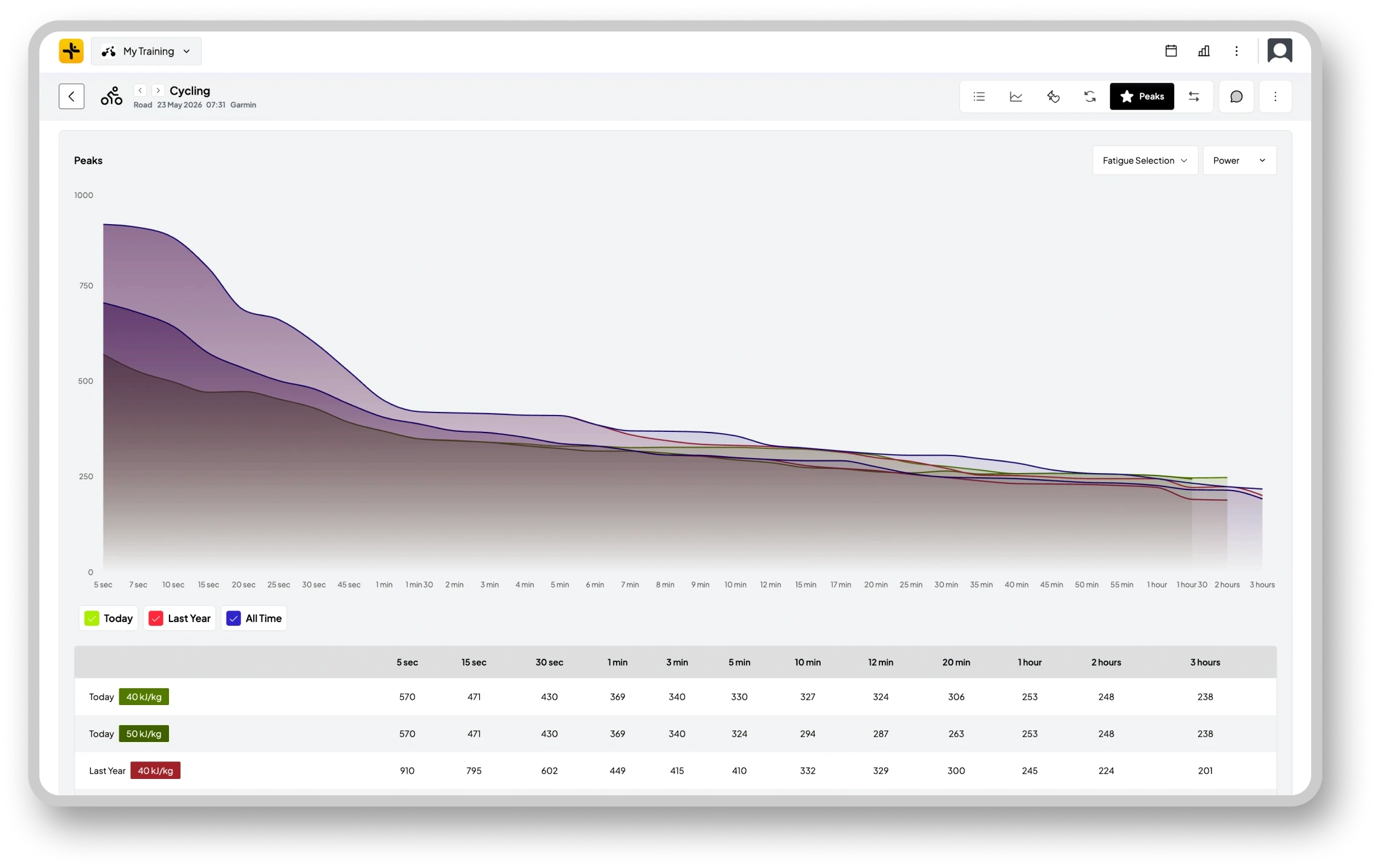
Pedersen's defining trait is repeatability: 60 to 90 second maximal efforts he can produce again and again, still peaking near 1,000W a full five to six hours into a race.
Durability, the exact quality Mattias describes in Pedersen, is one of Vekta's key features, measured for every rider on the platform, from WorldTour pros to everyday athletes.
Lidl-Trek left TrainingPeaks for Vekta in January 2026, naming us as their Official Training and Coaching Platform.
Watch: Mattias Reck on what makes Mads Pedersen so special
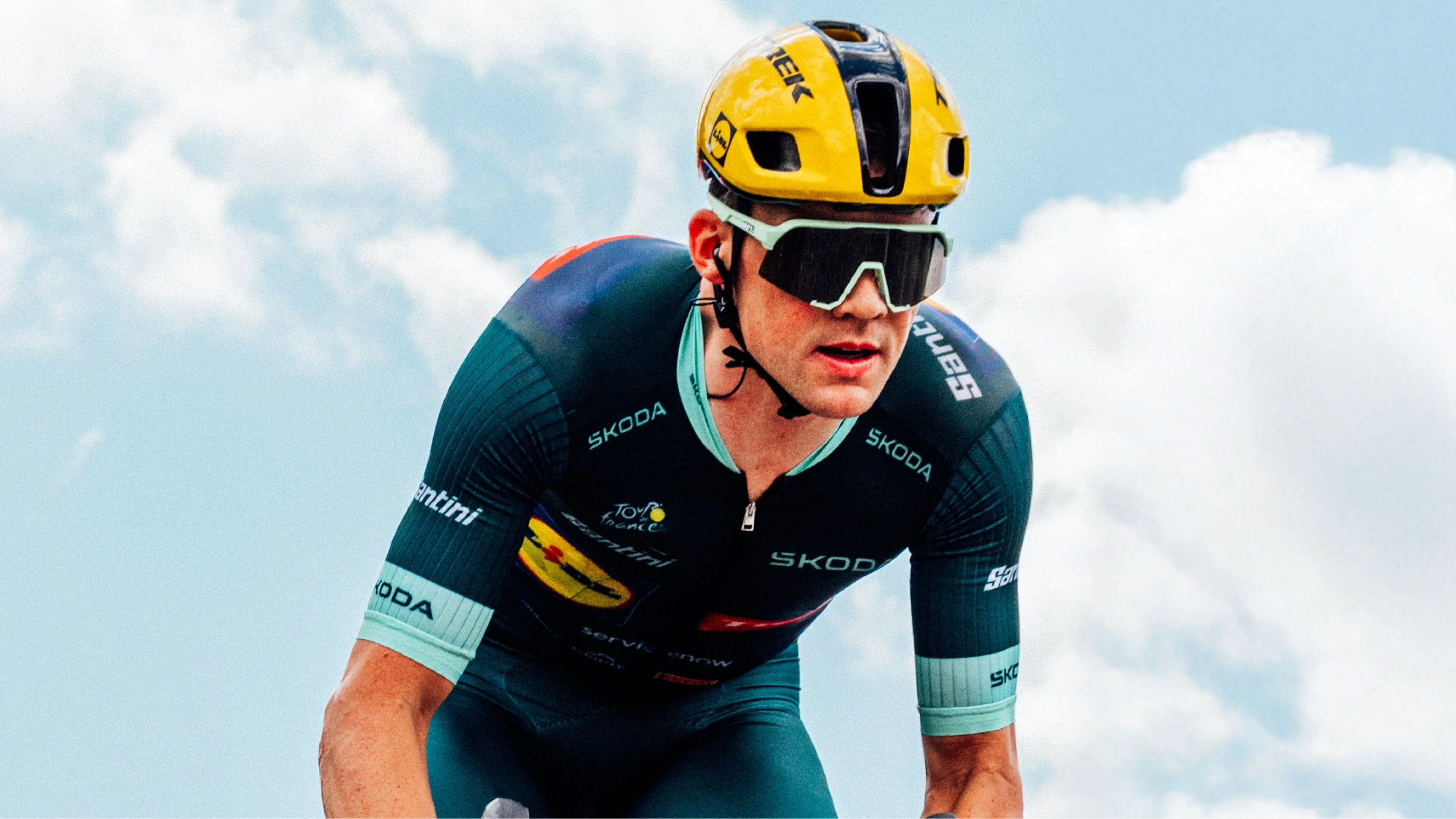
Somewhere past the fifth hour of a Tour de France stage, most of the peloton is running on fumes. Mads Pedersen's isn't. We didn't learn that in July. We heard it months earlier, long before a single jersey had been decided, sitting across from Mattias Reck, Lidl-Trek's head coach and the man who has shaped Pedersen's training since 2017.
We asked him one question. 'What makes Pedersen so special?'
"There is no magic in the training. If you see riders that are really above the rest, it's not only that they have a special body, it's also that they have such patience and focus that year by year they can just do a lot of training. Mads, in the past four or five years, has been training between 1,000 and 1,100 hours. It's basically just a lot of endurance rides, much more than you would think. Eighty five to ninety percent is just basic endurance.
Mattias Reck, Lidl-Trek
Where Most Riders Run Out
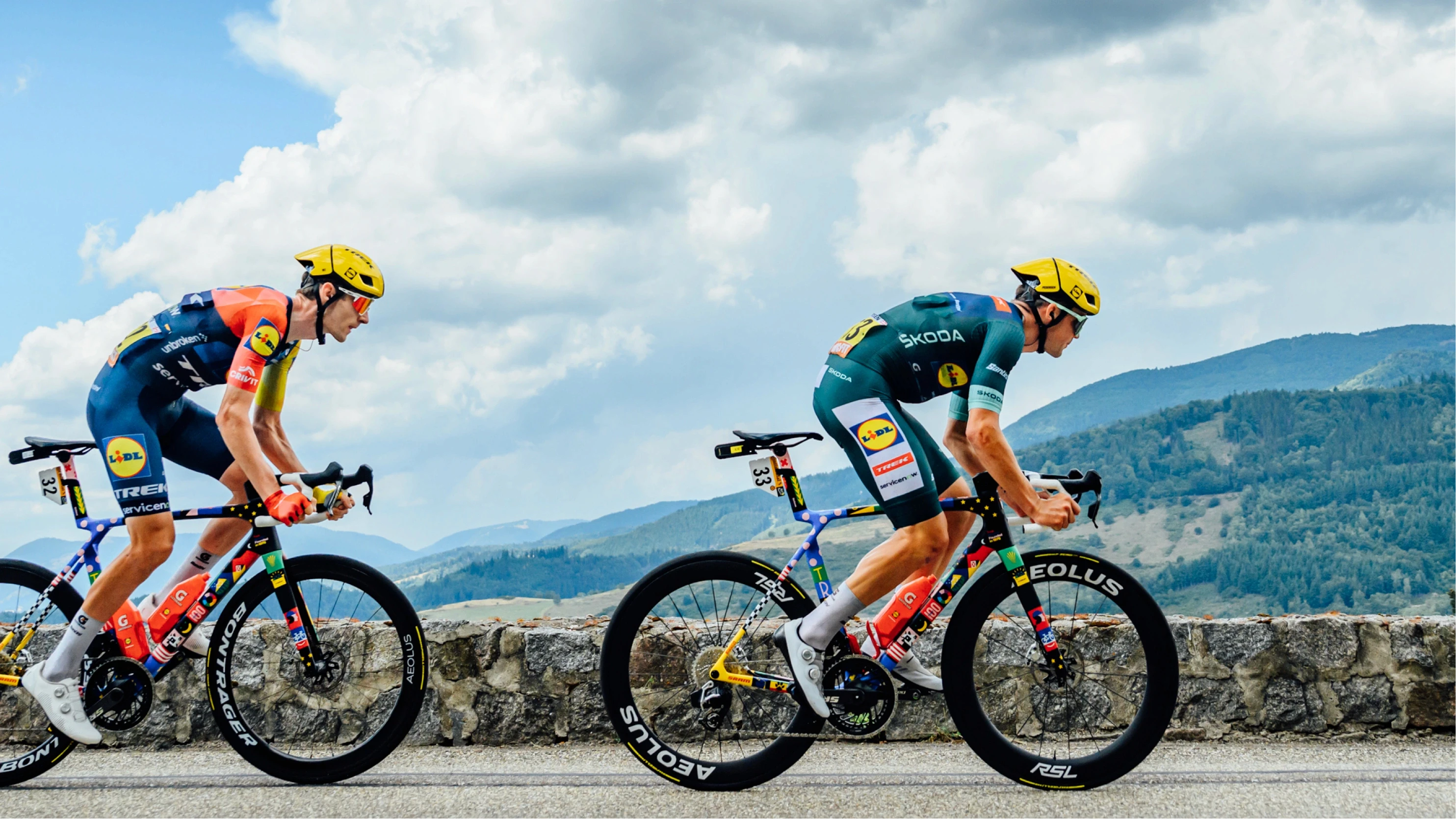
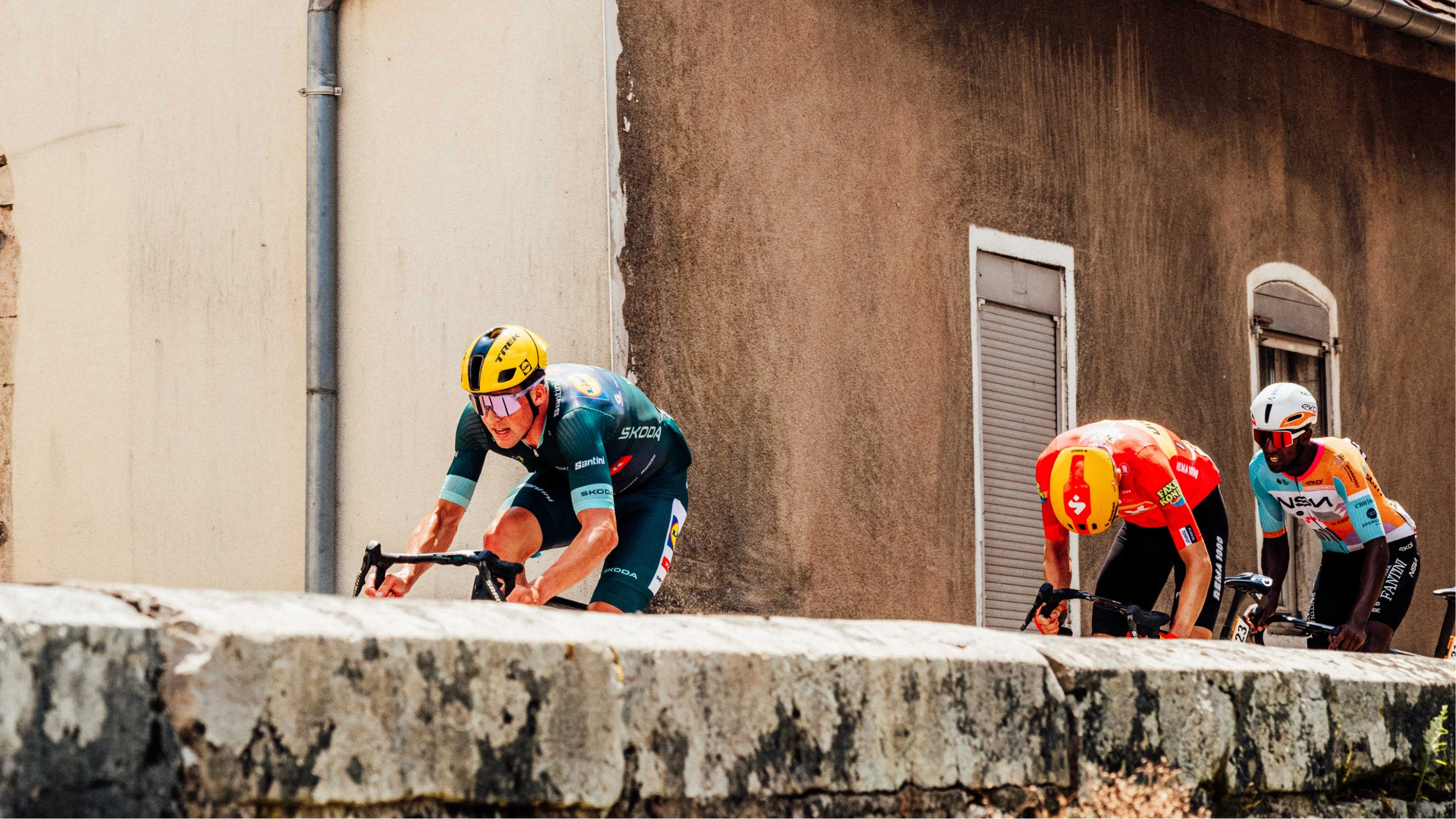
Stage 4 to Foix set the tone. Pedersen won it from a reduced group in brutal heat, and he has defended the points classification ever since, not by dominating a single flat sprint finish but by scoring wherever the race allows it. Intermediate sprints. Breakaway finishes. Days too hard for the fastest pure sprinters and not hard enough to drop him. That pattern matters more than any single result. A rider who only wins when a stage is easy hasn't proven anything about fatigue resistance. A rider who keeps scoring on the days everyone else starts to fade has.
That's the Durability Mattias is describing: the ability to hold power output deep into a race, well after most riders' curves start to fall away. For a coach, it's a useful reframe. Durability isn't a single number you measure once in a test. It shows up as a pattern, across a race or a season, of results that hold up late instead of collapsing. It's built, session by session, over years, not discovered on one good day.
The Killer Effort
Ask Mattias what actually separates Pedersen on the bike, and he doesn't reach for a general trait. He narrows straight in on one specific, repeatable capacity.
"Then you take his specialty. His killer best thing is up to one minute, maybe up to ninety seconds. And he can do that again and again and again and again during a six hour ride."
Most riders can produce a big effort once. Fewer can produce it twice, in the same race, on tired legs. What Mattias is describing is a different quality again: a rider who can hit close to his absolute ceiling for 60 to 90 seconds, recover just enough, and do it again, repeatedly, across six hours of racing. That's not the same thing as a strong number on a one-off test day. It's the gap between a rider who peaks once and a rider whose peak barely drops no matter how many times you ask for it. For any coach, not just one working with a WorldTour rider, that reframes the useful question. Not "what's their best effort", but "how many times can they repeat something close to it."
The Camp That Sharpens It
That capacity doesn't happen by accident, and Mattias is specific about how it gets built. Each February, he runs a training camp designed to sharpen exactly this quality before the Classics.
"We have a special training camp at the end of February. That's where we fine tune, before the big Classics. Some sessions start with threshold work, then we move into intervals: 40/20s, 30/30s, a two minute all out effort, and a one minute all out."
Notice the order. Threshold work first, to accumulate real fatigue rather than start on fresh legs. Then two rounds of short intervals, 40/20s and 30/30s, layering on more fatigue without ever letting him fully recover. Only then, stacked deliberately on top of all of that, the maximal efforts: two minutes all out, then one minute all out. That sequencing is the whole point. It's a structured version of what Vekta's own training framework classifies as a Durability session: high intensity work deliberately performed after significant energy has already been spent, because that's the only honest way to train the quality a rider actually needs at the 200th kilometre of a race, not the fifth.
No Special Engine
Here's the part Mattias is most insistent on, and it cuts against the easy assumption that a rider this durable must simply have a bigger engine than everyone else.
"Even if he's doing a lot of kilojoules and a lot of hard intensity training, after five or six hours he can still peak one minute at 1,000W. And that's really his specialty, having such durability, because he doesn't have a super VO2. But he has a very high economy and gross efficiency."
That's an important distinction for how a coach reads a rider's numbers. A big engine, in Vekta's terms, is a high Critical Power, a high sustainable ceiling. What Mattias is describing is something adjacent but different: economy, the ability to produce a given power output for less physiological cost, leaving more in reserve for the next effort. Paired with a genuine W′ reserve, the finite capacity above Critical Power that fuels attacks and surges, that efficiency is what lets Pedersen spend those 60 to 90 second efforts and still have enough left to spend again. Not a bigger engine. A more efficient one, and efficiency, unlike a raw aerobic ceiling, is something a rider can keep improving for years.
Human Connection, Not Just Data
Lidl-Trek didn't add Vekta alongside what they already had. They left TrainingPeaks for it. In January 2026, Vekta became the team's Official Training and Coaching Platform, embedding the system across the men's and women's WorldTour teams and the development programme, one of several similar moves that year from teams including DECATHLON CMA CGM and Team TotalEnergies, who made the same switch. When the partnership was announced, the team's Head of Performance, Josu Larrazabal, explained what it actually changes day to day:
"Working with Vekta allows us to spend less time processing data and more time on the human connection with our riders, which is what really makes the difference in the long term."
Mattias's approach to Pedersen is that idea in practice. Patience over shortcuts. A camp built around one quality instead of ten. A coach who can explain exactly why a rider is good without reaching for anything mystical. The technology's job is to make a pattern like this visible faster, for a WorldTour team or for a coach working with a single athlete.
The Same Platfrom, Available To You
None of that judgment came from software, and it never will. But the same platform Lidl-Trek uses to track Durability, Critical Power and W′ for every rider on their roster, Pedersen included, is open to anyone training or coaching outside the WorldTour too. Whether you're building your own program or managing a full roster, Vekta's 14-day free trial gives you the same picture Mattias works from.
Key Takeaways
Mads Pedersen's coach, Mattias Reck, says there's no special physiology involved. Pedersen has trained 1,000 to 1,100 hours a year for the past four to five seasons, with 85 to 90 percent of that volume as basic endurance riding.
Pedersen's defining trait is repeatability: 60 to 90 second maximal efforts he can produce again and again, still peaking near 1,000W a full five to six hours into a race.
Durability, the exact quality Mattias describes in Pedersen, is one of Vekta's key features, measured for every rider on the platform, from WorldTour pros to everyday athletes.
Lidl-Trek left TrainingPeaks for Vekta in January 2026, naming us as their Official Training and Coaching Platform.
Watch: Mattias Reck on what makes Mads Pedersen so special
Somewhere past the fifth hour of a Tour de France stage, most of the peloton is running on fumes. Mads Pedersen's isn't. We didn't learn that in July. We heard it months earlier, long before a single jersey had been decided, sitting across from Mattias Reck, Lidl-Trek's head coach and the man who has shaped Pedersen's training since 2017.
We asked him one question. 'What makes Pedersen so special?'
"There is no magic in the training. If you see riders that are really above the rest, it's not only that they have a special body, it's also that they have such patience and focus that year by year they can just do a lot of training. Mads, in the past four or five years, has been training between 1,000 and 1,100 hours. It's basically just a lot of endurance rides, much more than you would think. Eighty five to ninety percent is just basic endurance.
Mattias Reck, Lidl-Trek
Where Most Riders Run Out
Stage 4 to Foix set the tone. Pedersen won it from a reduced group in brutal heat, and he has defended the points classification ever since, not by dominating a single flat sprint finish but by scoring wherever the race allows it. Intermediate sprints. Breakaway finishes. Days too hard for the fastest pure sprinters and not hard enough to drop him. That pattern matters more than any single result. A rider who only wins when a stage is easy hasn't proven anything about fatigue resistance. A rider who keeps scoring on the days everyone else starts to fade has.
That's the Durability Mattias is describing: the ability to hold power output deep into a race, well after most riders' curves start to fall away. For a coach, it's a useful reframe. Durability isn't a single number you measure once in a test. It shows up as a pattern, across a race or a season, of results that hold up late instead of collapsing. It's built, session by session, over years, not discovered on one good day.
The Killer Effort
Ask Mattias what actually separates Pedersen on the bike, and he doesn't reach for a general trait. He narrows straight in on one specific, repeatable capacity.
"Then you take his specialty. His killer best thing is up to one minute, maybe up to ninety seconds. And he can do that again and again and again and again during a six hour ride."
Most riders can produce a big effort once. Fewer can produce it twice, in the same race, on tired legs. What Mattias is describing is a different quality again: a rider who can hit close to his absolute ceiling for 60 to 90 seconds, recover just enough, and do it again, repeatedly, across six hours of racing. That's not the same thing as a strong number on a one-off test day. It's the gap between a rider who peaks once and a rider whose peak barely drops no matter how many times you ask for it. For any coach, not just one working with a WorldTour rider, that reframes the useful question. Not "what's their best effort", but "how many times can they repeat something close to it."
The Camp That Sharpens It
That capacity doesn't happen by accident, and Mattias is specific about how it gets built. Each February, he runs a training camp designed to sharpen exactly this quality before the Classics.
"We have a special training camp at the end of February. That's where we fine tune, before the big Classics. Some sessions start with threshold work, then we move into intervals: 40/20s, 30/30s, a two minute all out effort, and a one minute all out."
Notice the order. Threshold work first, to accumulate real fatigue rather than start on fresh legs. Then two rounds of short intervals, 40/20s and 30/30s, layering on more fatigue without ever letting him fully recover. Only then, stacked deliberately on top of all of that, the maximal efforts: two minutes all out, then one minute all out. That sequencing is the whole point. It's a structured version of what Vekta's own training framework classifies as a Durability session: high intensity work deliberately performed after significant energy has already been spent, because that's the only honest way to train the quality a rider actually needs at the 200th kilometre of a race, not the fifth.
No Special Engine
Here's the part Mattias is most insistent on, and it cuts against the easy assumption that a rider this durable must simply have a bigger engine than everyone else.
"Even if he's doing a lot of kilojoules and a lot of hard intensity training, after five or six hours he can still peak one minute at 1,000W. And that's really his specialty, having such durability, because he doesn't have a super VO2. But he has a very high economy and gross efficiency."
That's an important distinction for how a coach reads a rider's numbers. A big engine, in Vekta's terms, is a high Critical Power, a high sustainable ceiling. What Mattias is describing is something adjacent but different: economy, the ability to produce a given power output for less physiological cost, leaving more in reserve for the next effort. Paired with a genuine W′ reserve, the finite capacity above Critical Power that fuels attacks and surges, that efficiency is what lets Pedersen spend those 60 to 90 second efforts and still have enough left to spend again. Not a bigger engine. A more efficient one, and efficiency, unlike a raw aerobic ceiling, is something a rider can keep improving for years.
Human Connection, Not Just Data
Lidl-Trek didn't add Vekta alongside what they already had. They left TrainingPeaks for it. In January 2026, Vekta became the team's Official Training and Coaching Platform, embedding the system across the men's and women's WorldTour teams and the development programme, one of several similar moves that year from teams including DECATHLON CMA CGM and Team TotalEnergies, who made the same switch. When the partnership was announced, the team's Head of Performance, Josu Larrazabal, explained what it actually changes day to day:
"Working with Vekta allows us to spend less time processing data and more time on the human connection with our riders, which is what really makes the difference in the long term."
Mattias's approach to Pedersen is that idea in practice. Patience over shortcuts. A camp built around one quality instead of ten. A coach who can explain exactly why a rider is good without reaching for anything mystical. The technology's job is to make a pattern like this visible faster, for a WorldTour team or for a coach working with a single athlete.
The Same Platfrom, Available To You
None of that judgment came from software, and it never will. But the same platform Lidl-Trek uses to track Durability, Critical Power and W′ for every rider on their roster, Pedersen included, is open to anyone training or coaching outside the WorldTour too. Whether you're building your own program or managing a full roster, Vekta's 14-day free trial gives you the same picture Mattias works from.
Try Vekta free
Put the theory to work
Vekta is where coaches and athletes plan the work, see the numbers, and track what actually changes.
Try Vekta free
Put the theory to work
Vekta is where coaches and athletes plan the work, see the numbers, and track what actually changes.
Frequently asked questions
Frequently asked questions
Brand Director