Partnerships
Partnerships
Partnerships
12
12
12
min
min
min
Dominic Valerio
Dominic Valerio
The WorldTour Is Moving to Vekta
The WorldTour Is Moving to Vekta
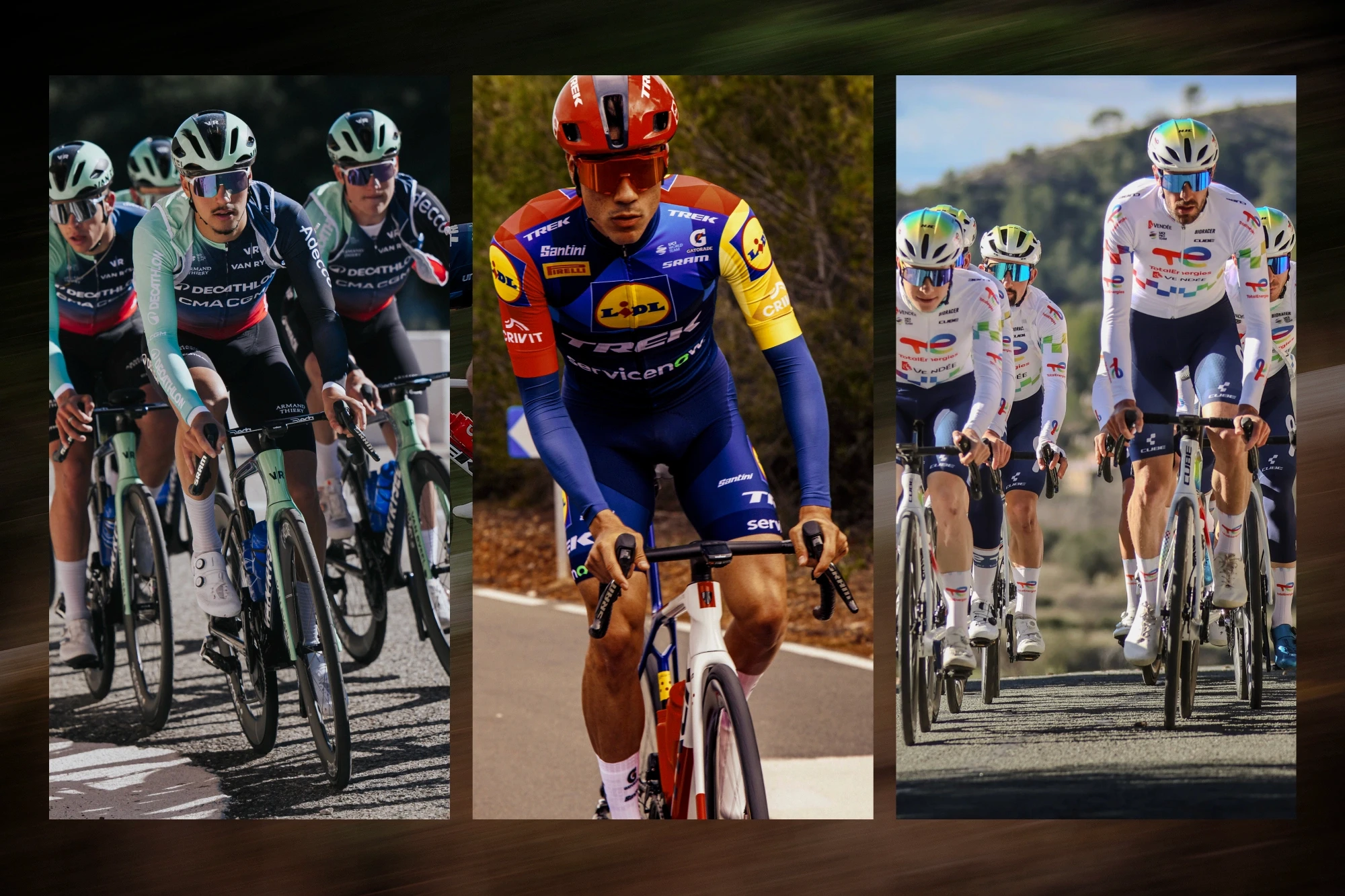
Lidl-Trek, DECATHLON CMA CGM Team and Team TotalEnergies join Vekta.
The WorldTour Is Moving to Vekta
For more than two decades, professional cycling has relied on the same digital backbone. Training plans were built in one place. Power files were uploaded. Comments were exchanged. Performance reviews happened across exported spreadsheets and long evenings of manual analysis. Communication sat on top. Insight came later.
It was revolutionary at the time. It brought structure to a fragmented sport and defined how athletes and coaches experienced and managed training for a generation.
For much of that time, TrainingPeaks served as the default infrastructure. It shaped modern training and professionalised digital planning across the sport. But data volume, AI capability and performance complexity have moved beyond what legacy systems were ever designed to handle.
That foundation built champions. But elite cycling in 2026 no longer resembles the sport of 2006.
A single rider now produces exponentially more data than entire teams once did. Race calendars are denser. Monitoring is constant. Margins are thinner. Expectations are higher. Riders and coaches are not short on information. They are short on time to interpret it.
The infrastructure that once felt cutting edge is now straining under the weight of modern performance.
This week marks a visible shift in how the very top of the sport is responding.
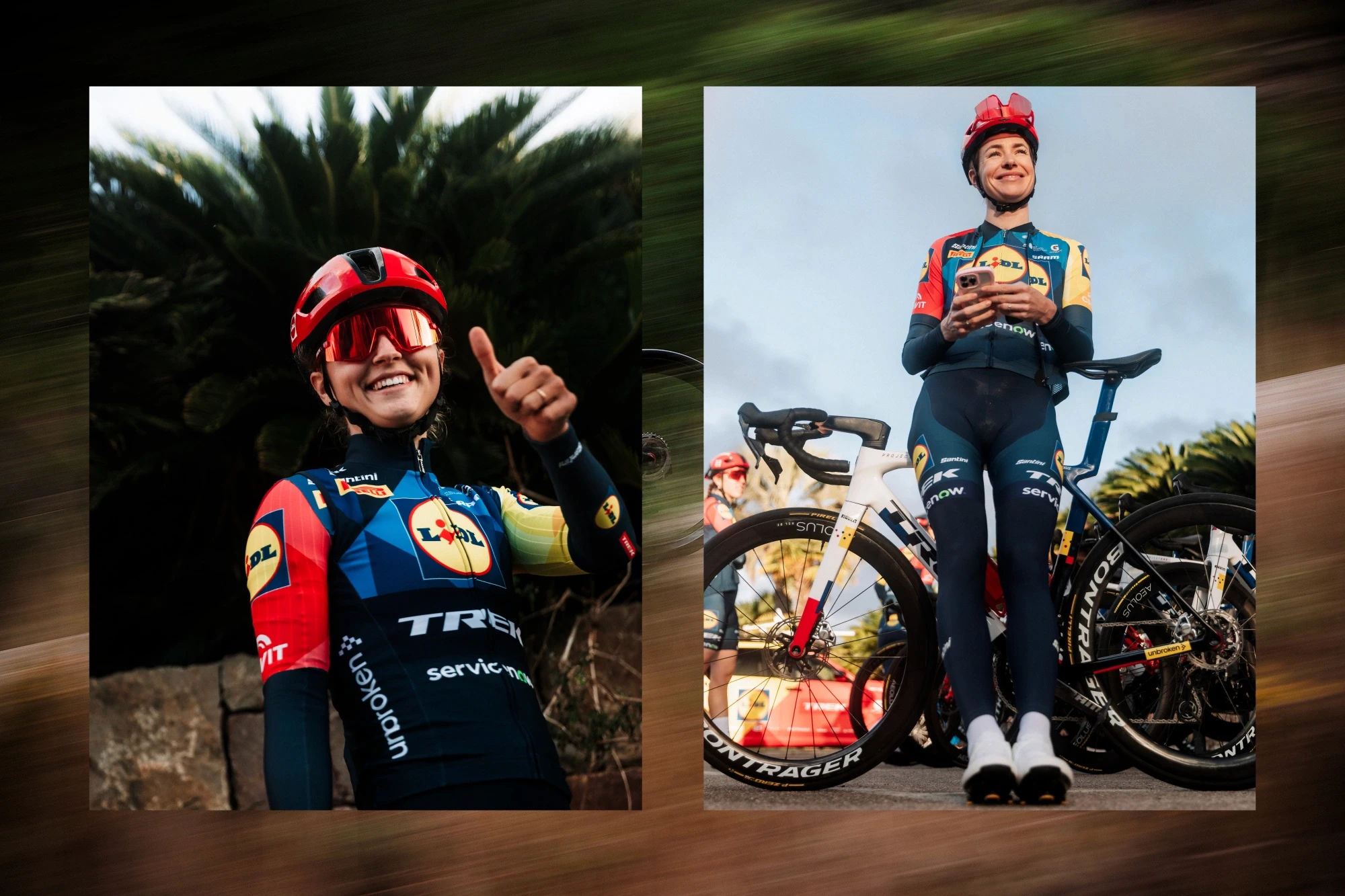
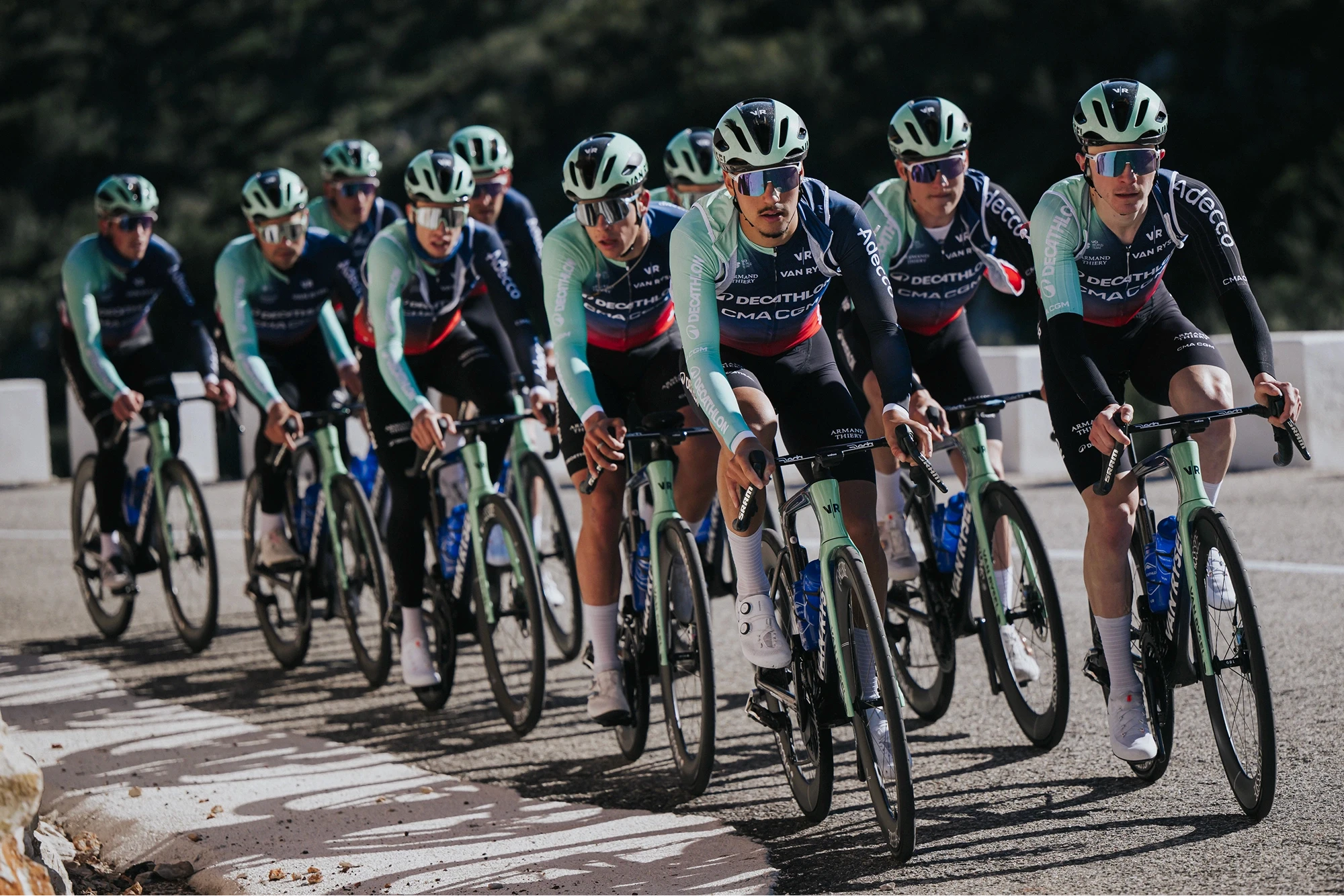
Lidl-Trek, DECATHLON CMA CGM Team, and Team TotalEnergies have joined Vekta, embedding the system across their WorldTour, women’s, development and junior programmes.
They join existing partners Team Jayco AlUla, Liv AlUla Jayco, FDJ United - SUEZ and Team AMANI.
In one year, Vekta has moved from launch to becoming part of the daily performance environment of multiple WorldTour organisations.
This is not experimentation. It is infrastructure change.
The End of the Communication Platform Era
For years, the dominant tools in endurance sport have functioned primarily as communication layers. Upload the file. Share the plan. Comment on the session. But elite performance in 2026 demands more than a shared calendar.
At WorldTour level, performance staff are not short on data. They are short on time to interpret it meaningfully. The capacity to collect information has grown exponentially. The capacity to analyse it manually has not.
As Josu Larrazabal, Head of Performance at Lidl-Trek, explains:
“The capacity to collect data has increased exponentially in recent years, far beyond what we can realistically analyse. At our level, we need more than a communication platform. We need powerful analysis, and we need it quickly.”
That sentence captures the moment precisely. The sport has outgrown the layer built to support it.
What teams now require is an operating system capable of interpreting complexity in real time. One that reduces manual processing. One that surfaces patterns before they become problems. One that enhances human decision making rather than drowning it.
Why This Is Happening Now
AI in sport has moved from novelty to necessity. Not because it replaces coaching. But because it protects it.
By rapidly interpreting large volumes of performance data, Vekta reduces the hours spent exporting, filtering, cross referencing and manually reviewing sessions. Insights are surfaced earlier. Decision making accelerates. Conversations become clearer.
As Paul Barratt, Head of Innovation at DECATHLON CMA CGM Team, notes:
“As we continue to expand our high performance approaches, we recognise that a strong data infrastructure is essential. We are thrilled to have Vekta as our partner to drive data informed decisions to support our WorldTour and NewGen riders.”
This is not about dashboards. It is about structural efficiency.
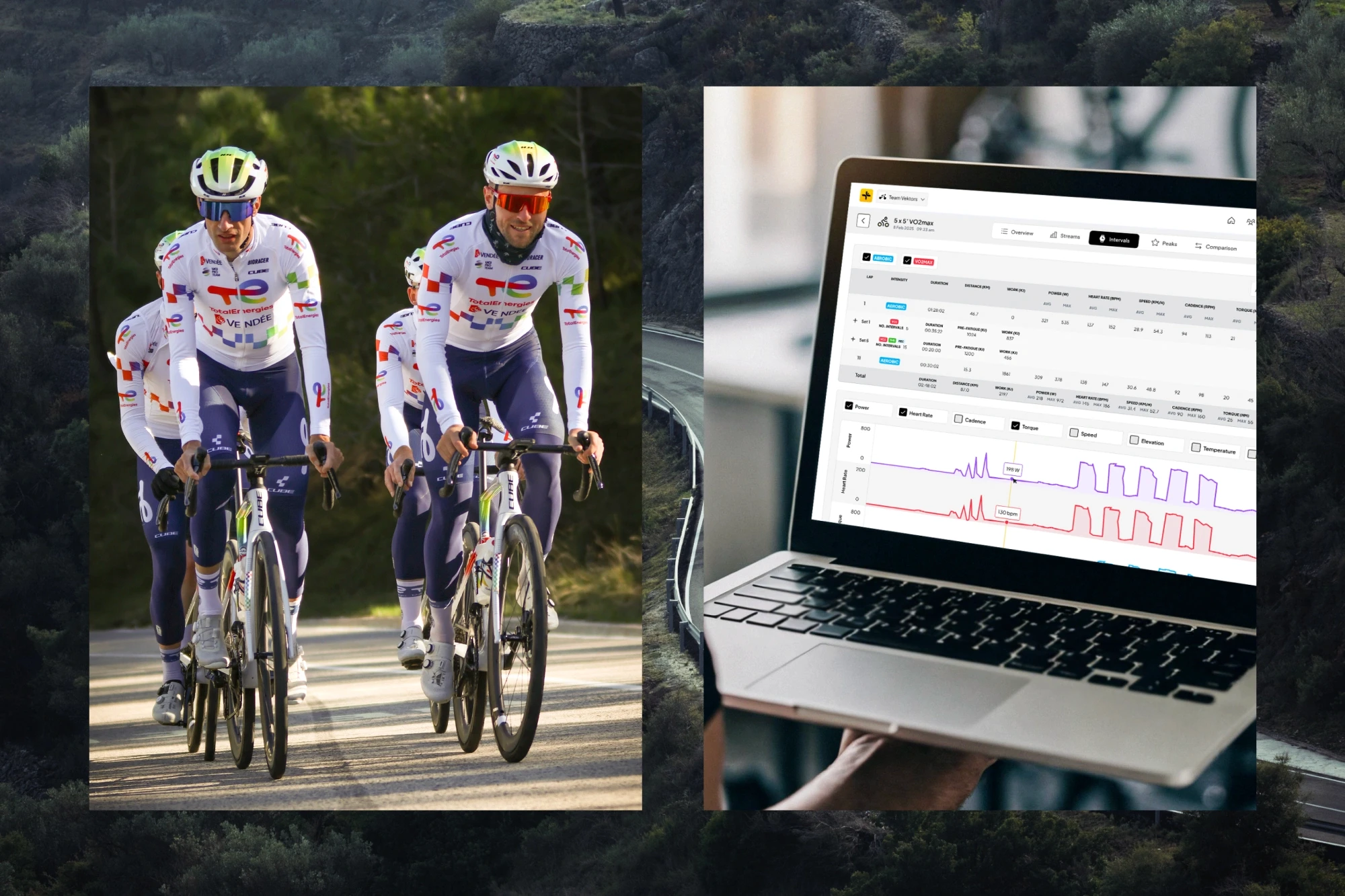
Maxime Robin, Scientific Director & Training at Team TotalEnergies, describes the shift simply:
“This partnership will help us work more efficiently and extract deeper insights from our performance data.”
Efficiency and depth. At WorldTour level, those two words define competitive advantage.
What Actually Changes Inside a Team
From the outside, a platform change looks technical. Inside a team, it is cultural.
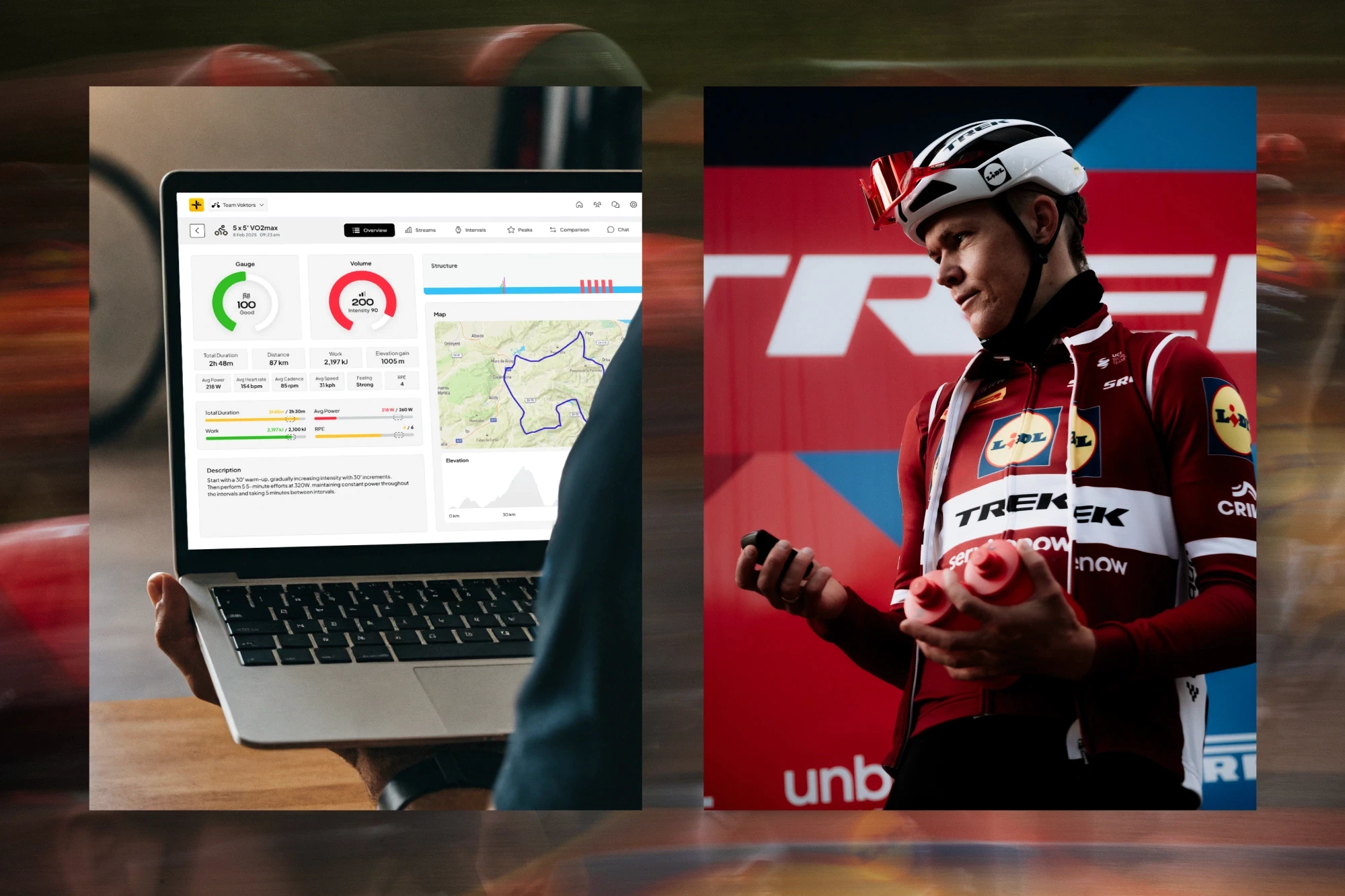
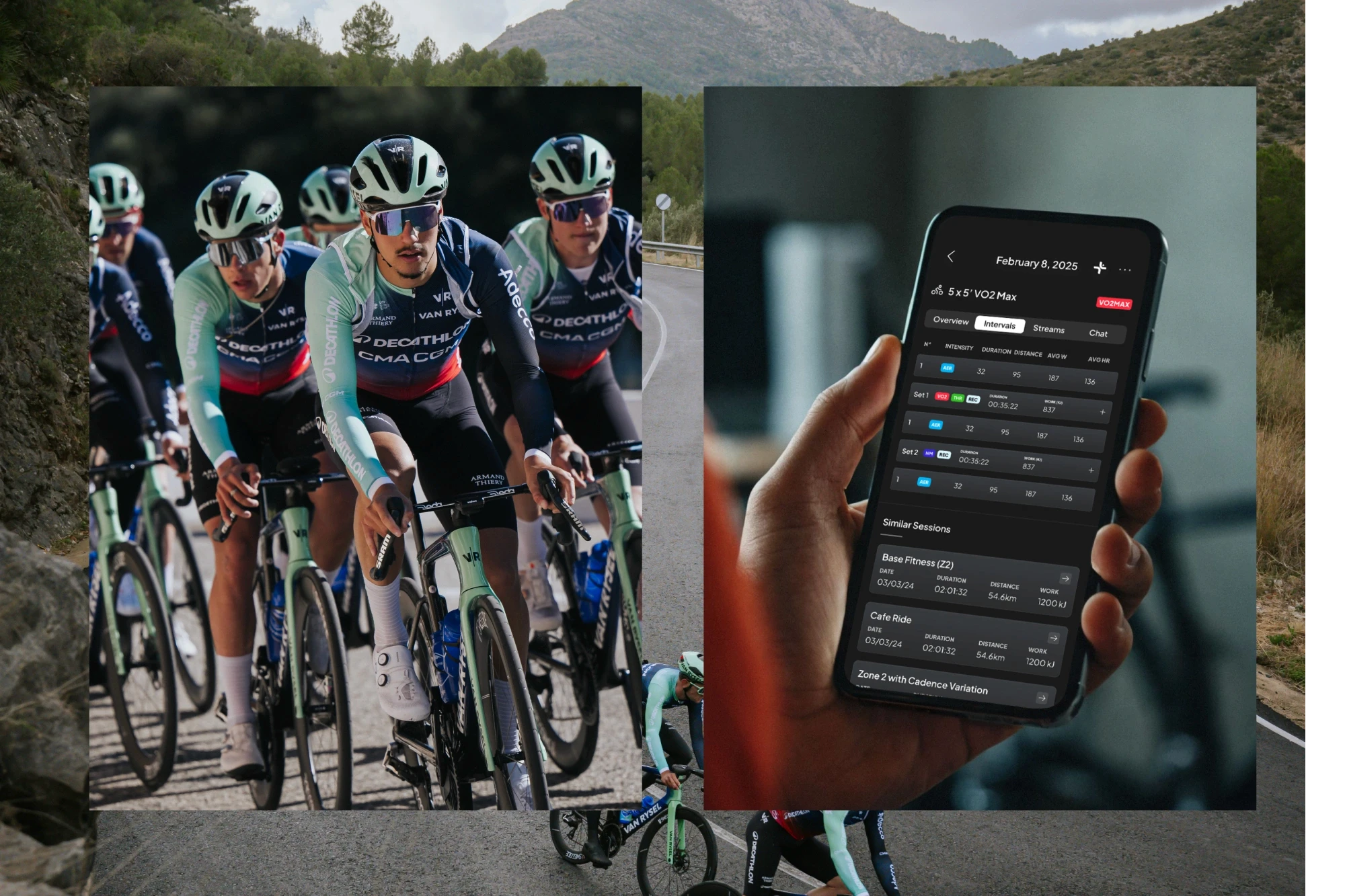
Training planning, race preparation, readiness monitoring, recovery tracking, talent identification and long term development now sit within one connected system.
Critical Power modelling updates automatically. Training zones adapt. Proprietary performance metrics provide additional layers of context. Natural language tools allow coaches to plan and adjust intuitively. Talent ID systems flag markers that may otherwise go unnoticed.
Information no longer sits in silos. It flows. The time saved from manual analysis returns to what matters most: human connection. Conversation. Clarity.
As Josu Larrazabal adds:
“Working with Vekta allows us to spend less time processing data and more time on the human connection with our riders, which is what really makes the difference in the long term.”
The irony of AI in cycling is this: it strengthens the human layer.
Momentum Is Not Accidental
The addition of Lidl-Trek, DECATHLON CMA CGM Team and Team TotalEnergies builds on partnerships established last year with Team Jayco AlUla, Liv AlUla Jayco, FDJ–SUEZ and Team AMANI.
This is not a small circle. It is a growing ecosystem across men’s and women’s WorldTour teams, development structures and performance pathways.
In less than twelve months, Vekta has moved from emerging platform to embedded performance infrastructure inside some of the most respected organisations in the sport.
That trajectory signals something larger than partnership announcements.
It signals trust.
What This Means for Athletes and Coaches
For ambitious athletes and coaches watching from outside the WorldTour, this shift matters. Because infrastructure trickles down.
The systems adopted at the top of the sport define the standards below it. The performance environment used inside WorldTour teams is now available to athletes and coaches globally.
The same AI modelling. The same unified data structure. The same planning and readiness tools. Performance is no longer limited by geography or budget. The infrastructure gap between elite and ambitious is narrowing.
When the top teams modernise, the rest of the sport accelerates.
Where Cycling Is Heading
The past era of endurance sport was defined by digital communication. The next era will be defined by intelligent infrastructure.
The teams at the very top of cycling are not waiting for that future to arrive. They are building it now.
In one year, Vekta has become part of that transition. Not by replacing coaching. Not by chasing headlines. But by building the operating system that modern performance demands.
Cycling is upgrading. And the shift has begun.
The WorldTour Is Moving to Vekta
For more than two decades, professional cycling has relied on the same digital backbone. Training plans were built in one place. Power files were uploaded. Comments were exchanged. Performance reviews happened across exported spreadsheets and long evenings of manual analysis. Communication sat on top. Insight came later.
It was revolutionary at the time. It brought structure to a fragmented sport and defined how athletes and coaches experienced and managed training for a generation.
For much of that time, TrainingPeaks served as the default infrastructure. It shaped modern training and professionalised digital planning across the sport. But data volume, AI capability and performance complexity have moved beyond what legacy systems were ever designed to handle.
That foundation built champions. But elite cycling in 2026 no longer resembles the sport of 2006.
A single rider now produces exponentially more data than entire teams once did. Race calendars are denser. Monitoring is constant. Margins are thinner. Expectations are higher. Riders and coaches are not short on information. They are short on time to interpret it.
The infrastructure that once felt cutting edge is now straining under the weight of modern performance.
This week marks a visible shift in how the very top of the sport is responding.
Lidl-Trek, DECATHLON CMA CGM Team, and Team TotalEnergies have joined Vekta, embedding the system across their WorldTour, women’s, development and junior programmes.
They join existing partners Team Jayco AlUla, Liv AlUla Jayco, FDJ United - SUEZ and Team AMANI.
In one year, Vekta has moved from launch to becoming part of the daily performance environment of multiple WorldTour organisations.
This is not experimentation. It is infrastructure change.
The End of the Communication Platform Era
For years, the dominant tools in endurance sport have functioned primarily as communication layers. Upload the file. Share the plan. Comment on the session. But elite performance in 2026 demands more than a shared calendar.
At WorldTour level, performance staff are not short on data. They are short on time to interpret it meaningfully. The capacity to collect information has grown exponentially. The capacity to analyse it manually has not.
As Josu Larrazabal, Head of Performance at Lidl-Trek, explains:
“The capacity to collect data has increased exponentially in recent years, far beyond what we can realistically analyse. At our level, we need more than a communication platform. We need powerful analysis, and we need it quickly.”
That sentence captures the moment precisely. The sport has outgrown the layer built to support it.
What teams now require is an operating system capable of interpreting complexity in real time. One that reduces manual processing. One that surfaces patterns before they become problems. One that enhances human decision making rather than drowning it.
Why This Is Happening Now
AI in sport has moved from novelty to necessity. Not because it replaces coaching. But because it protects it.
By rapidly interpreting large volumes of performance data, Vekta reduces the hours spent exporting, filtering, cross referencing and manually reviewing sessions. Insights are surfaced earlier. Decision making accelerates. Conversations become clearer.
As Paul Barratt, Head of Innovation at DECATHLON CMA CGM Team, notes:
“As we continue to expand our high performance approaches, we recognise that a strong data infrastructure is essential. We are thrilled to have Vekta as our partner to drive data informed decisions to support our WorldTour and NewGen riders.”
This is not about dashboards. It is about structural efficiency.
Maxime Robin, Scientific Director & Training at Team TotalEnergies, describes the shift simply:
“This partnership will help us work more efficiently and extract deeper insights from our performance data.”
Efficiency and depth. At WorldTour level, those two words define competitive advantage.
What Actually Changes Inside a Team
From the outside, a platform change looks technical. Inside a team, it is cultural.
Training planning, race preparation, readiness monitoring, recovery tracking, talent identification and long term development now sit within one connected system.
Critical Power modelling updates automatically. Training zones adapt. Proprietary performance metrics provide additional layers of context. Natural language tools allow coaches to plan and adjust intuitively. Talent ID systems flag markers that may otherwise go unnoticed.
Information no longer sits in silos. It flows. The time saved from manual analysis returns to what matters most: human connection. Conversation. Clarity.
As Josu Larrazabal adds:
“Working with Vekta allows us to spend less time processing data and more time on the human connection with our riders, which is what really makes the difference in the long term.”
The irony of AI in cycling is this: it strengthens the human layer.
Momentum Is Not Accidental
The addition of Lidl-Trek, DECATHLON CMA CGM Team and Team TotalEnergies builds on partnerships established last year with Team Jayco AlUla, Liv AlUla Jayco, FDJ–SUEZ and Team AMANI.
This is not a small circle. It is a growing ecosystem across men’s and women’s WorldTour teams, development structures and performance pathways.
In less than twelve months, Vekta has moved from emerging platform to embedded performance infrastructure inside some of the most respected organisations in the sport.
That trajectory signals something larger than partnership announcements.
It signals trust.
What This Means for Athletes and Coaches
For ambitious athletes and coaches watching from outside the WorldTour, this shift matters. Because infrastructure trickles down.
The systems adopted at the top of the sport define the standards below it. The performance environment used inside WorldTour teams is now available to athletes and coaches globally.
The same AI modelling. The same unified data structure. The same planning and readiness tools. Performance is no longer limited by geography or budget. The infrastructure gap between elite and ambitious is narrowing.
When the top teams modernise, the rest of the sport accelerates.
Where Cycling Is Heading
The past era of endurance sport was defined by digital communication. The next era will be defined by intelligent infrastructure.
The teams at the very top of cycling are not waiting for that future to arrive. They are building it now.
In one year, Vekta has become part of that transition. Not by replacing coaching. Not by chasing headlines. But by building the operating system that modern performance demands.
Cycling is upgrading. And the shift has begun.

Try Vekta free
Put the theory to work
Vekta is where coaches and athletes plan the work, see the numbers, and track what actually changes.
Try Vekta free
Put the theory to work
Vekta is where coaches and athletes plan the work, see the numbers, and track what actually changes.
Frequently asked questions
Frequently asked questions
Brand Director