Partnerships
Partnerships
Partnerships
8
8
8
min
min
min
Dominic Valerio
Dominic Valerio
7 Reasons the WorldTour Moved to Vekta
7 Reasons the WorldTour Moved to Vekta
7 Reasons the WorldTour Moved to Vekta
What the world's best teams saw, and why athletes and coaches everywhere should pay attention.
Teams at the top of cycling do not change infrastructure casually. The systems inside a WorldTour environment sit beneath every training decision, every race preparation, every rider conversation. Swapping them is not a preference. It is a cultural event.
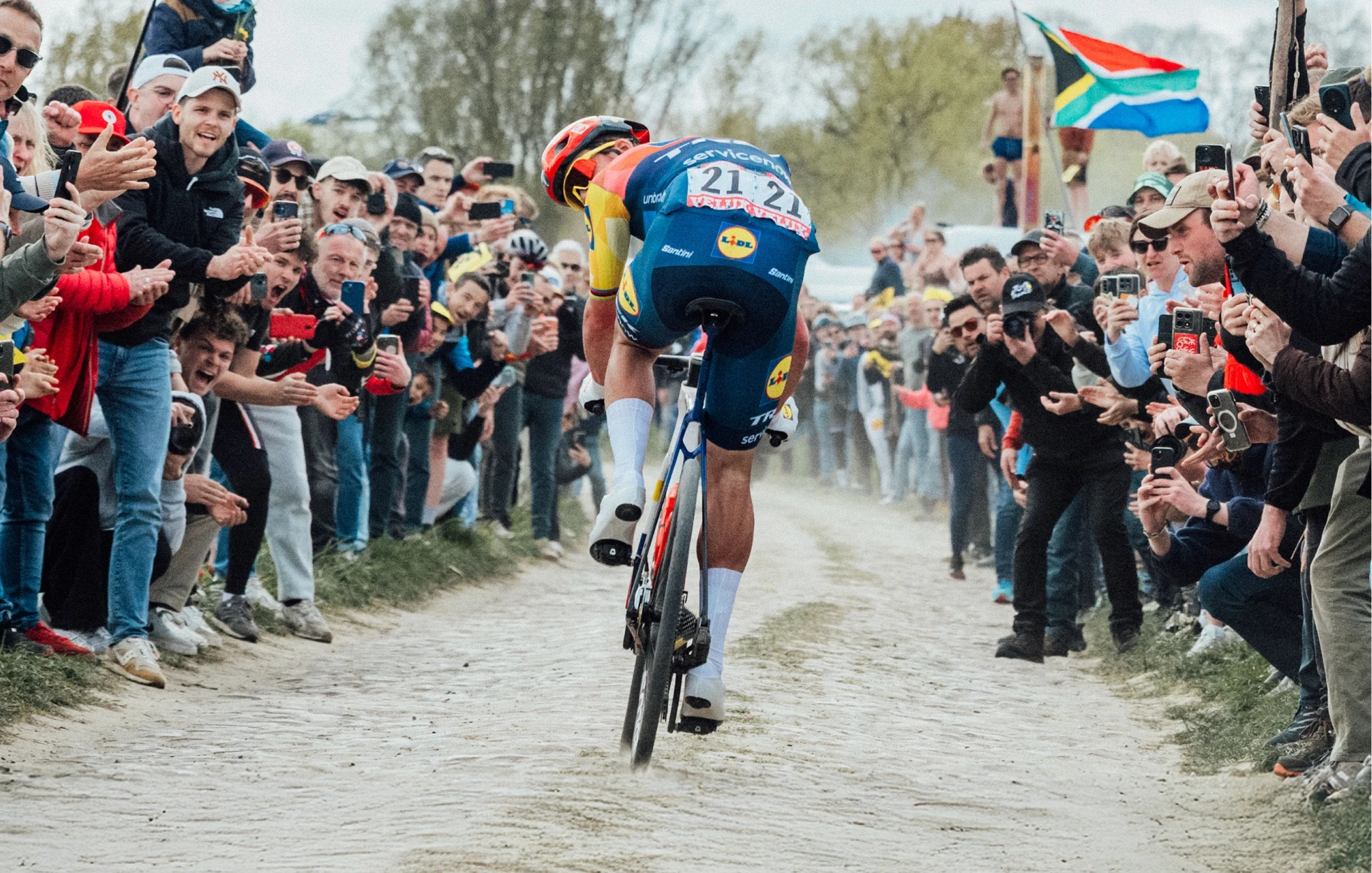
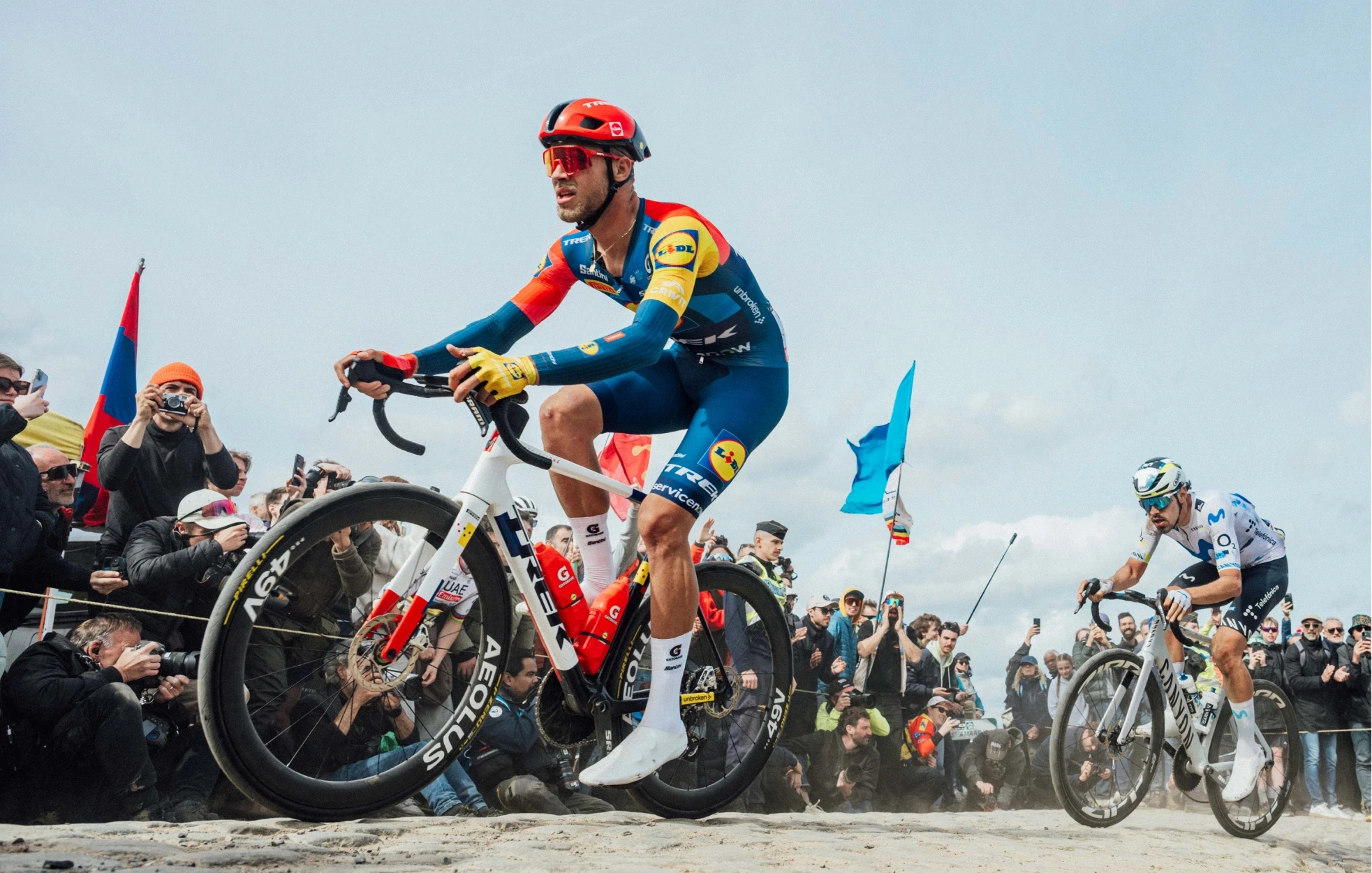
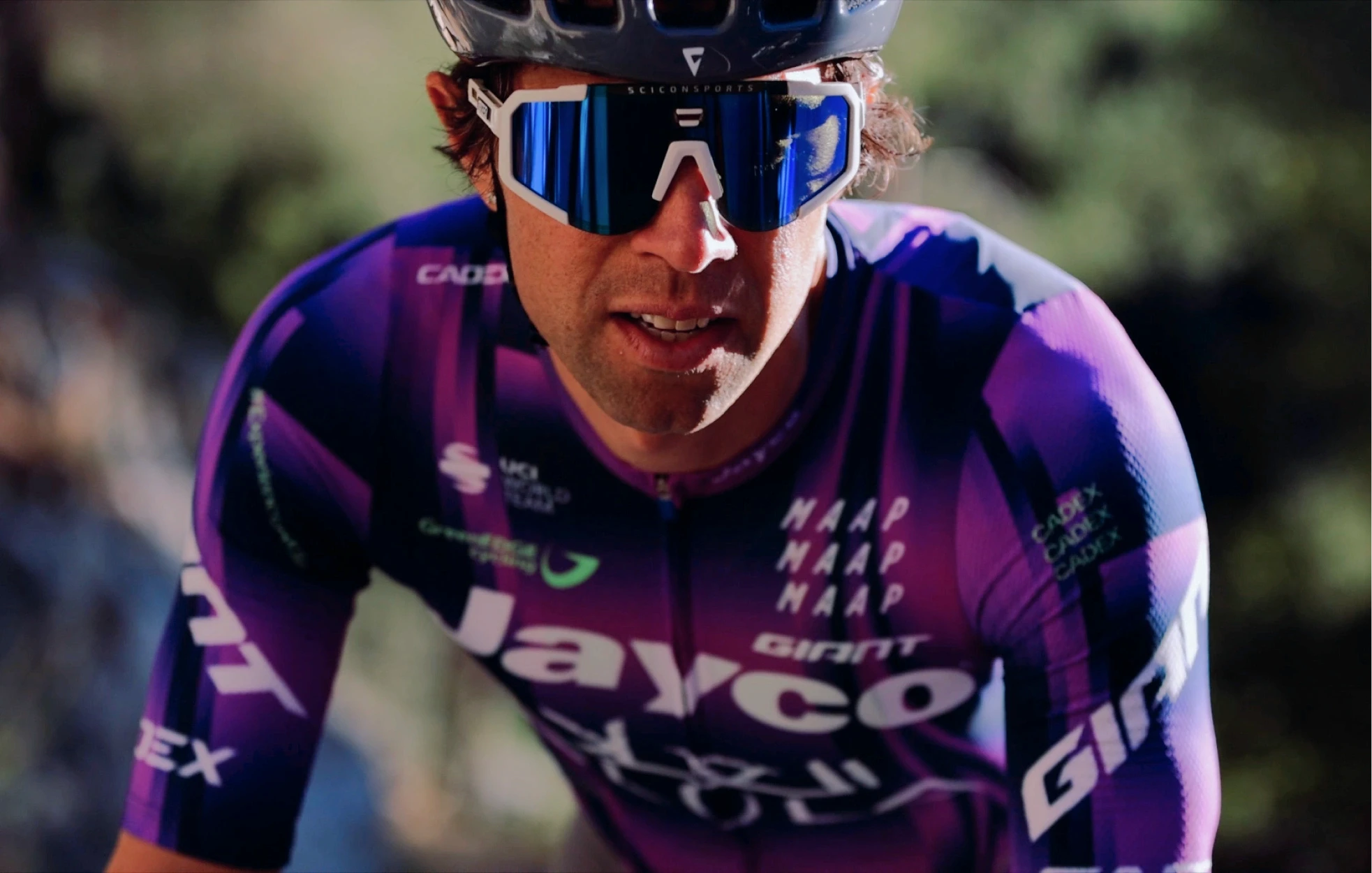
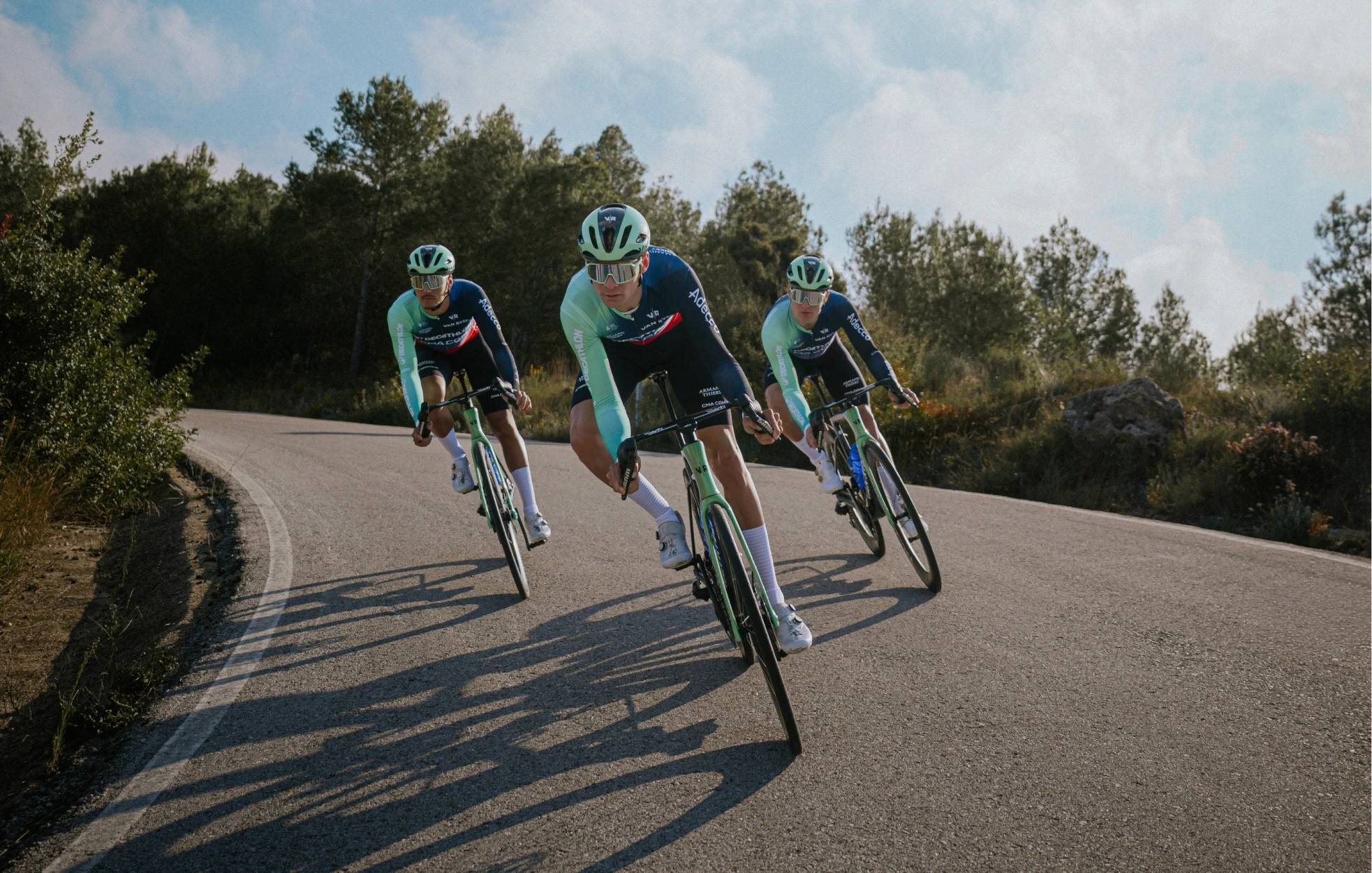
And yet, in under twelve months, Lidl-Trek, DECATHLON CMA CGM Team, Team TotalEnergies, FDJ United - SUEZ, Team Jayco AlUla, Liv AlUla Jayco and Team AMANI have all moved to Vekta.
When this many of the sport's most respected organisations change platforms in such a short window, the reasons are worth knowing. Not because WorldTour decisions should be copied by every coach and athlete below. But because the systems adopted at the top of the sport define the standards below it. The infrastructure gap between elite and ambitious is narrowing, and that matters.
These are the seven reasons the world's best chose Vekta.
1. Legacy platforms hit their ceiling.
For two decades, the same digital backbone sat under most of professional cycling. It was built for a slower era. A rider uploaded a file. A coach reviewed it. A plan was built for the week ahead. Communication sat on top. Insight came later.
That era is over.
A modern WorldTour rider now produces exponentially more data than entire teams once did. Race calendars are denser. Monitoring is constant. Decisions must move faster than the sport itself. Legacy platforms were never architected for this. They were communication layers, not performance systems. When complexity exceeded what they were built for, the cracks showed.
As Josu Larrazabal, Head of Performance at Lidl-Trek, puts it:
"The capacity to collect data has increased exponentially in recent years, far beyond what we can realistically analyse. At our level, we need more than a communication platform. We need powerful analysis, and we need it quickly."
This is true at every level. Ambitious athletes and coaches are not short on data. They are short on time to interpret it. The infrastructure that shaped a generation of training has run out of room.
2. The world's best teams moved beyond FTP.
For years, FTP anchored endurance training. A single sustainable threshold, a single number, a single reference point. It brought structure to something that previously had none. But one number was never the full picture.
FTP does not know what a rider has left above threshold. It does not know how capacity changes as fatigue accumulates. It does not know the difference between sustainable and finite work.
Performance is not one number. It is the interaction between sustainable capacity, finite work capacity above it, and how both hold under fatigue.
Critical Power (CP) and W′ modelling gives the world's best teams the most advanced and accurate measure of an athlete's current ability and true potential. CP defines the boundary between sustainable and non-sustainable effort. W′ defines the finite work a rider can produce above it. Together they describe performance the way the body actually produces it.
This is not a theoretical upgrade. It changes how intervals are prescribed, how repeatability is understood, how pacing is built, and how long events are approached.
The world's best teams moved beyond FTP because FTP had taken them as far as it could.
3. Speed that matches the sport.
At WorldTour level, the difference between a good decision and a late decision is the margin of competition. Races are won and lost on how fast a team can move from data to insight to action.
Vekta is built around that reality.
Data is processed in seconds. Sessions are built in moments. Intervals are detected and classified automatically. Performance shifts are surfaced in real time. Coaches do not wait for the answer to arrive. The answer arrives with the session.
Maxime Robin, Scientific Director & Training at Team TotalEnergies, describes it simply:
"This partnership will help us work more efficiently and extract deeper insights from our performance data."
Efficiency and depth. Two words that define competitive advantage at the top of the sport. But they define advantage at every level. Coaches who manage rosters cannot afford to spend hours exporting, filtering and cross referencing. Athletes who train around work, family and life cannot afford to wait days to understand a session.
Speed that matches the sport means the platform moves as fast as the people using it need it to.
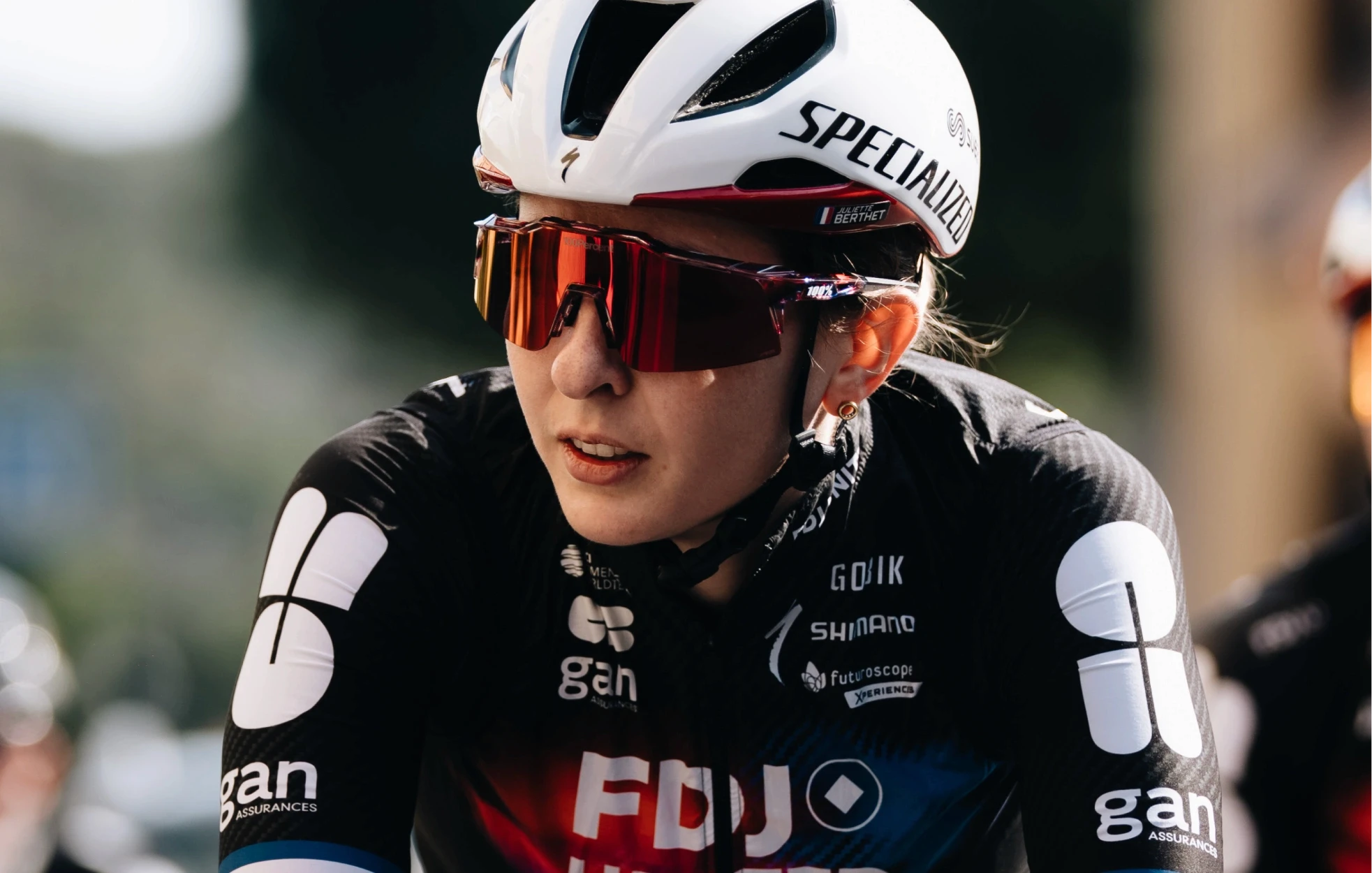
4. Engaging, intuitive, and modern.
Platforms only work if people use them. At WorldTour level, that sounds obvious. But inside a team, adoption is never guaranteed. If an interface is dense, slow, or unclear, sports directors disengage. Coaches avoid it. Riders ignore it. The platform becomes a cost, not an asset.
Vekta was built to be different.
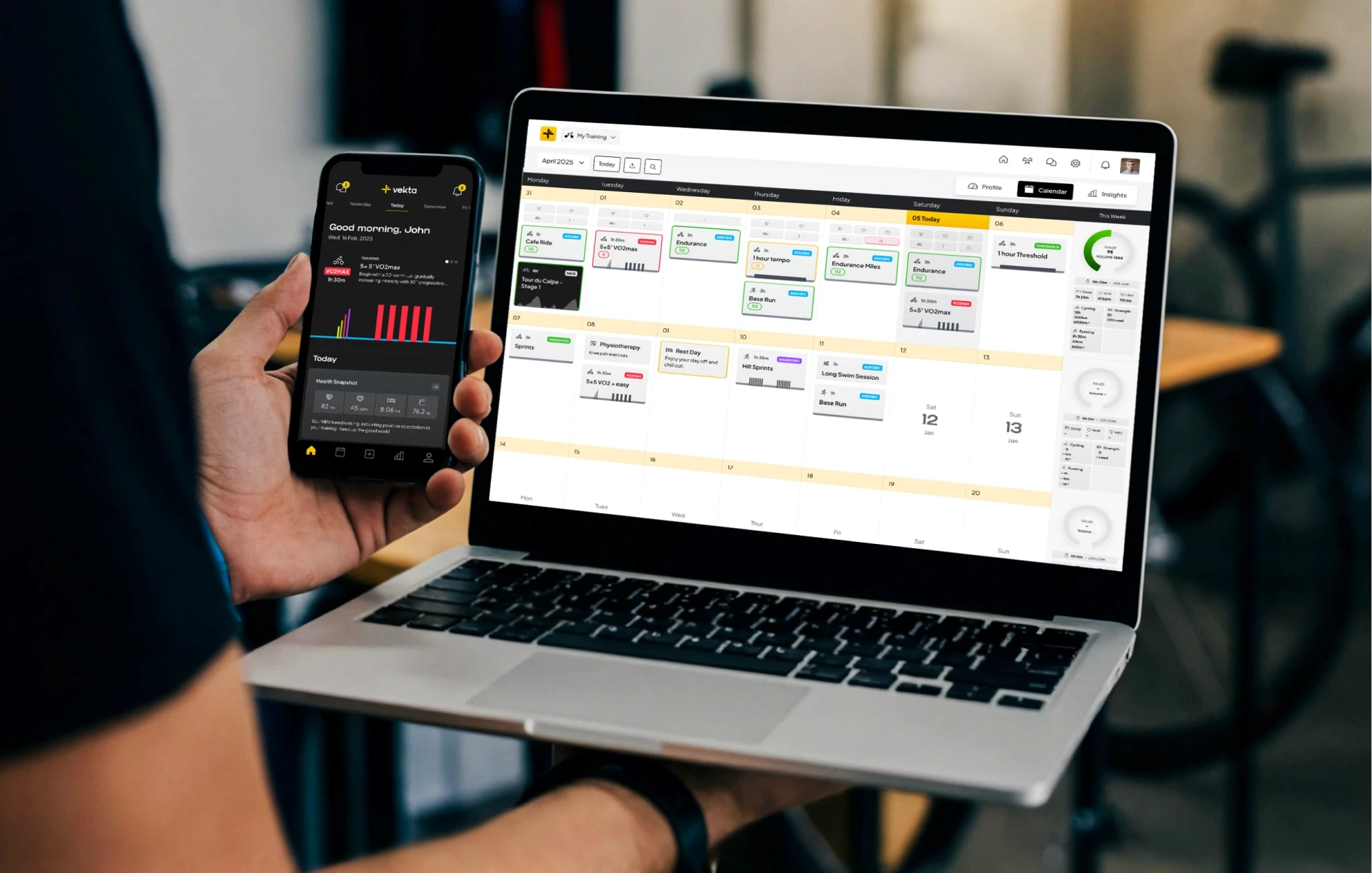
The interface is engaging. Data is visual. Navigation is intuitive. Performance models are surfaced without needing to be interrogated. What would take multiple tabs and manual effort elsewhere is one view inside Vekta.
Teams have felt the difference immediately. Maxime Robin again:
"The visual aspect is a real plus. The platform is engaging and intuitive."
Built for speed, clarity, and daily use at the highest level. A modern interface for the demands of modern sport.
For athletes and coaches outside the WorldTour, this matters even more. Most people using endurance platforms are not data analysts. They are riders with a few hours to train and review. They are coaches managing ten, twenty, fifty athletes at once. The platform needs to get out of the way and let the work happen.
A platform that is good to use is a platform that gets used.
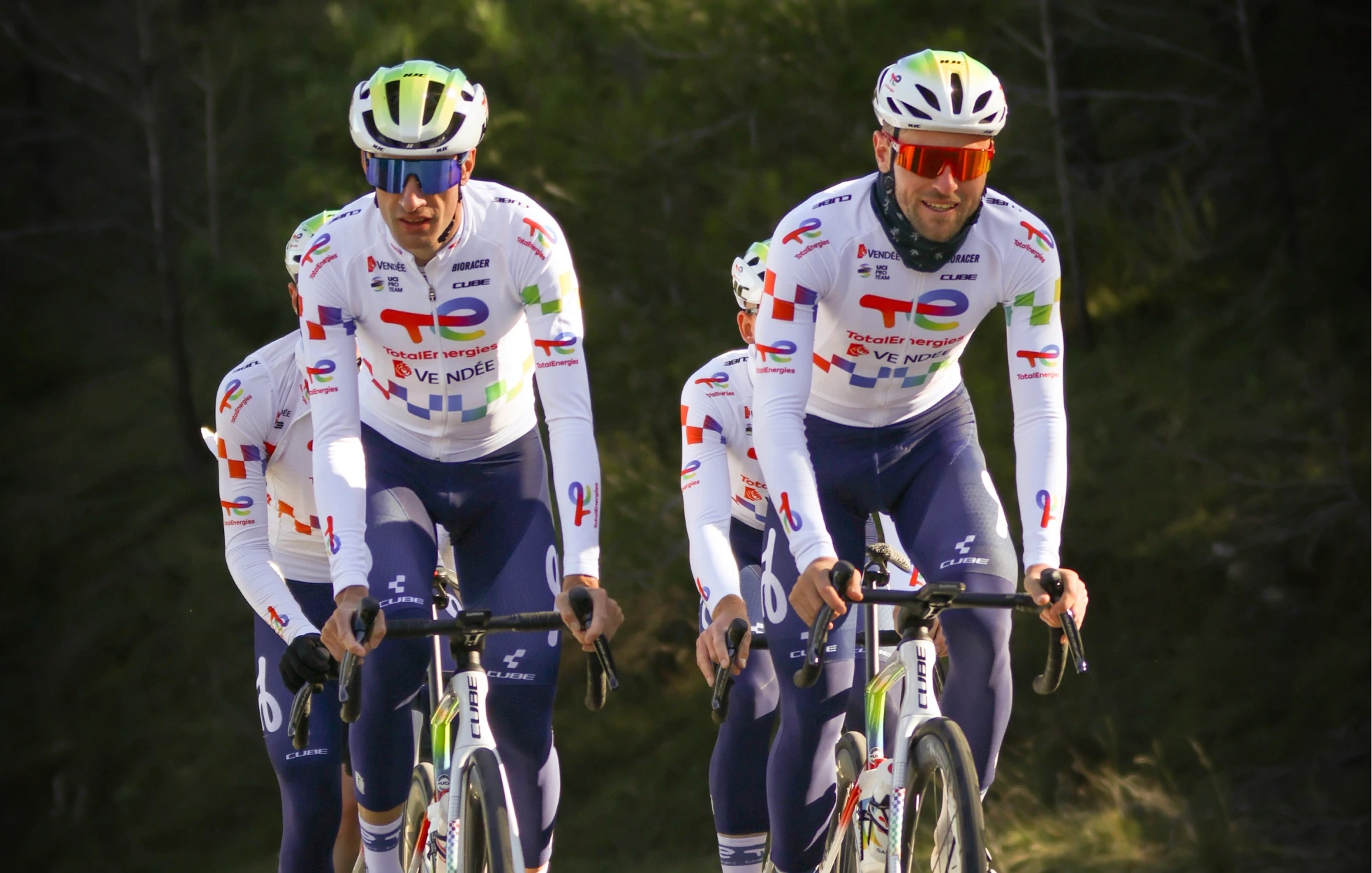
5. Analysis that sees what others miss.
Most endurance platforms show you what happened. Vekta shows you what actually matters inside what happened.
Automatic interval detection surfaces every meaningful effort without a coach having to manually mark them. Dynamic training zones adapt as capacity shifts, so zones always reflect current ability. Durability insights reveal how performance holds as sessions accumulate, the single clearest predictor of performance in long events. W′ balance shows how finite work capacity is being spent and recovered across a session. Session classification identifies what kind of session it was, from race to recovery, and pairs performed sessions against planned ones.
These are the signals that define modern performance, surfaced automatically.
None of them are novelty metrics. All of them reflect the reality of how bodies produce output and how races are actually won. Legacy platforms either cannot measure them at all, or require hours of manual effort to extract them session by session.
For WorldTour teams, this is the analytical depth the sport now demands. For ambitious athletes and coaches, it is the difference between reviewing a session and actually understanding it.
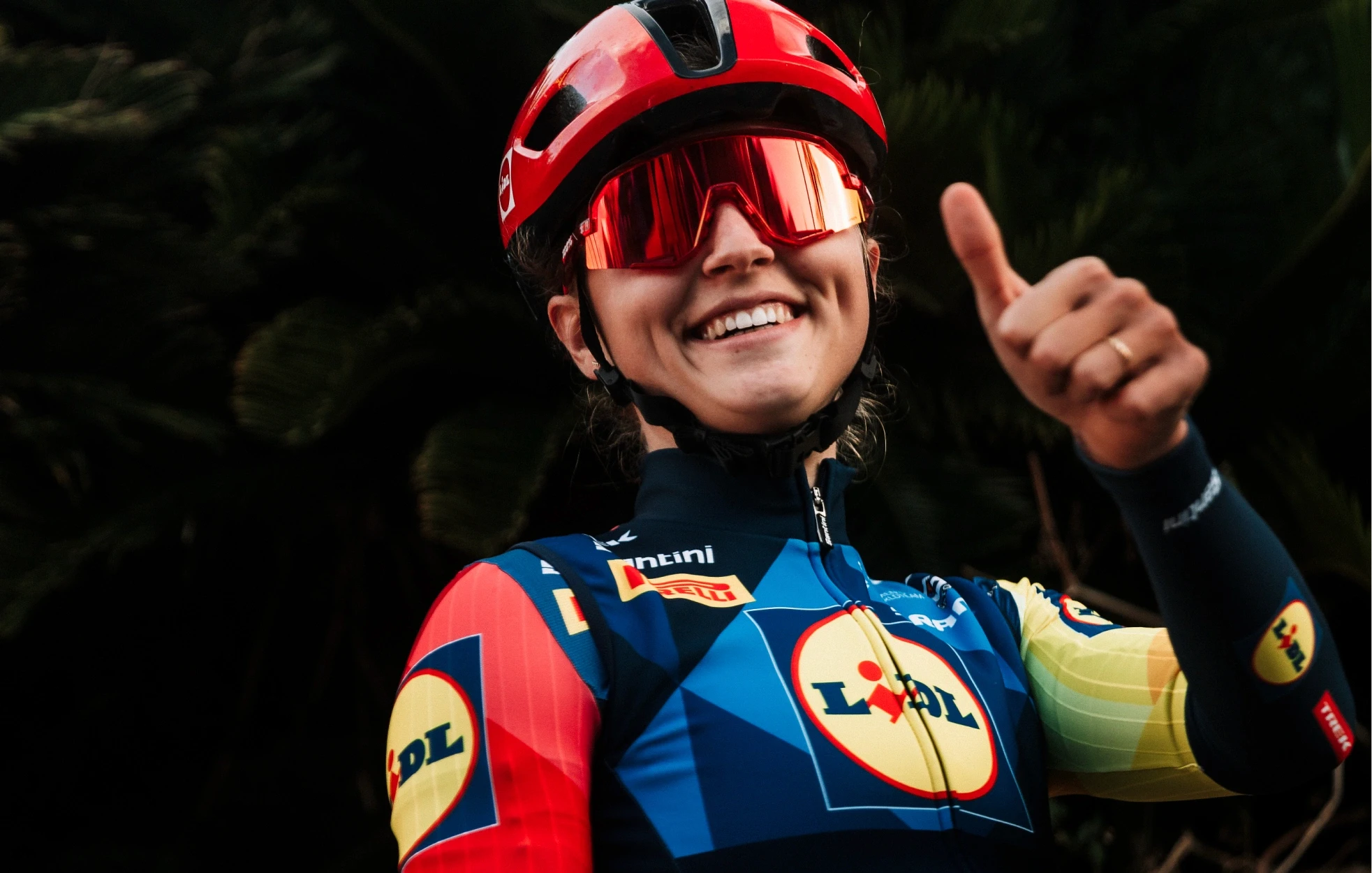
6. AI that enhances coaching, not replaces it.
The fear around AI in sport is reasonable. If a platform can detect change, update models and generate summaries, what is left for the coach?
Everything that matters.
AI in Vekta is not a replacement for coaching. It is the structural layer that protects it. AI surfaces patterns, detects change, and highlights what matters across thousands of data points. Coaches and athletes apply the judgement. They make the decisions. They hold the relationships.
AI handles the data. Coaches handle the athletes.
As Paul Barratt, Head of Innovation at DECATHLON CMA CGM Team, frames it:
"As we continue to expand our high performance approaches, we recognise that a strong data infrastructure is essential. We are thrilled to have Vekta as our partner to drive data informed decisions to support our WorldTour and NewGen riders."
Data informed decisions. Not data driven. Not data replaced. Data informed. The distinction is deliberate.
This matters especially for coaches outside the WorldTour. Independent coaches, club coaches, federation coaches. The people who carry the sport forward. AI that enhances their work, rather than competing with it, multiplies what they can do without diluting what makes them valuable.
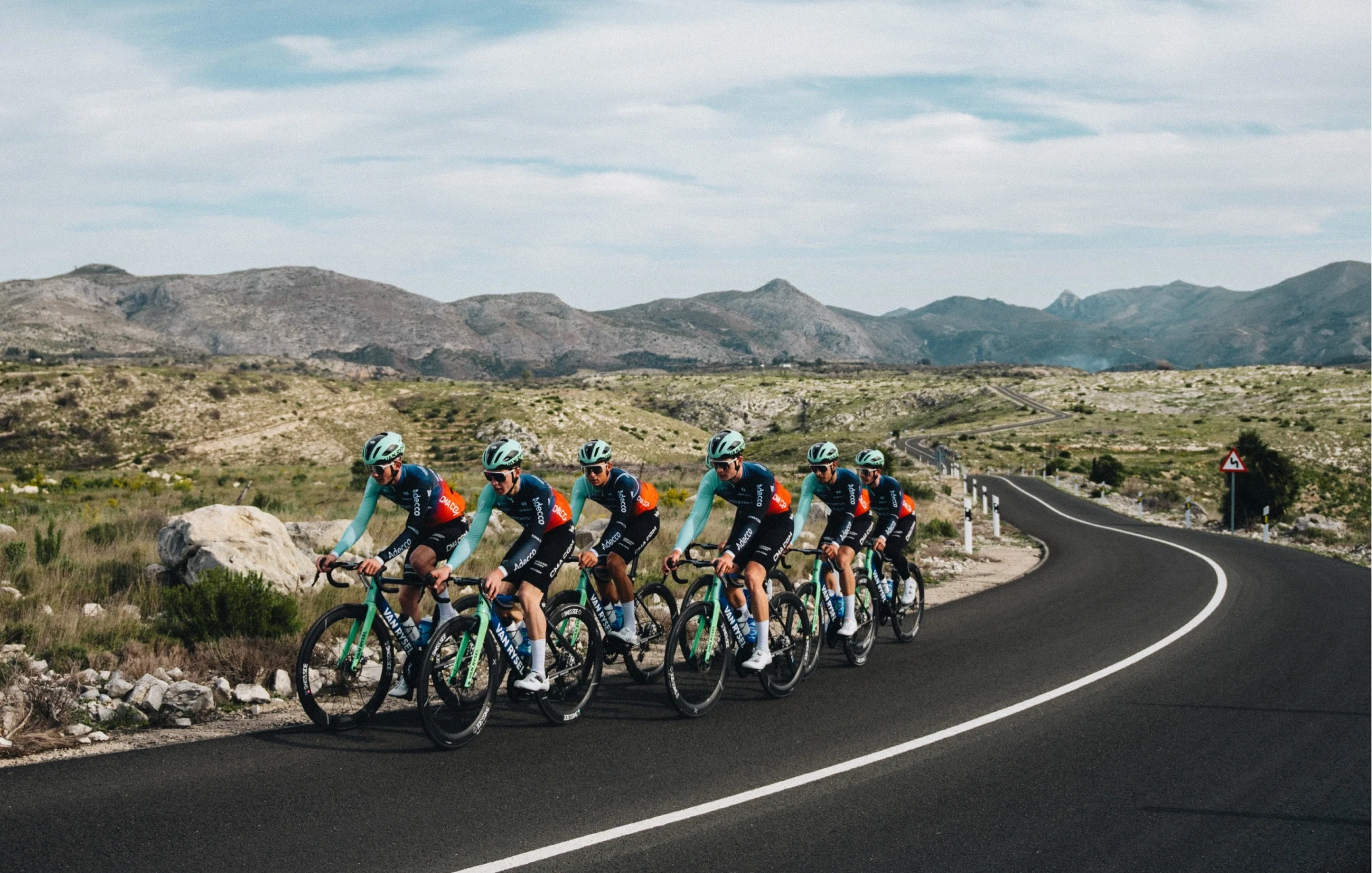
7. Enhanced human connection.
The irony of intelligent infrastructure is this: it strengthens the human layer.
When the platform handles the data, coaches get their attention back. That attention goes on the rider. That is where the craft of coaching lives. Conversations. Observations. Decisions shaped by knowing the person, not just the numbers.
Josu Larrazabal again:
"Working with Vekta allows us to spend less time processing data and more time on the human connection with our riders, which is what really makes the difference in the long term."
This is not a soft benefit. It is the reason the best teams in the world chose Vekta. At WorldTour level, the margin between teams is narrower than it has ever been. The human connection between coach and rider, sports director and team, is one of the few remaining sources of advantage that cannot be automated.
For every coach and every athlete reading this, the same is true. Time spent in front of a screen is time not spent on the things that actually move performance. Attention, judgement, relationships. The things that actually move performance.
When the platform handles the data, coaches stay focused on the rider.
The infrastructure of modern performance.
Seven reasons. One shift.
Lidl-Trek, DECATHLON CMA CGM Team, Team TotalEnergies, FDJ United - SUEZ, Team Jayco AlUla, Liv AlUla Jayco and Team AMANI have all moved to Vekta because the sport has outgrown the tools that once defined it. The reasons they chose Vekta are not exclusive to the WorldTour. They are the reasons anyone serious about training and coaching should pay attention.
The same performance model. The same speed. The same interface. The same analysis. The same AI. The same time given back.
The infrastructure gap between elite and ambitious is narrowing. And the shift has begun.
7 Reasons the WorldTour Moved to Vekta
What the world's best teams saw, and why athletes and coaches everywhere should pay attention.
Teams at the top of cycling do not change infrastructure casually. The systems inside a WorldTour environment sit beneath every training decision, every race preparation, every rider conversation. Swapping them is not a preference. It is a cultural event.
And yet, in under twelve months, Lidl-Trek, DECATHLON CMA CGM Team, Team TotalEnergies, FDJ United - SUEZ, Team Jayco AlUla, Liv AlUla Jayco and Team AMANI have all moved to Vekta.
When this many of the sport's most respected organisations change platforms in such a short window, the reasons are worth knowing. Not because WorldTour decisions should be copied by every coach and athlete below. But because the systems adopted at the top of the sport define the standards below it. The infrastructure gap between elite and ambitious is narrowing, and that matters.
These are the seven reasons the world's best chose Vekta.
1. Legacy platforms hit their ceiling.
For two decades, the same digital backbone sat under most of professional cycling. It was built for a slower era. A rider uploaded a file. A coach reviewed it. A plan was built for the week ahead. Communication sat on top. Insight came later.
That era is over.
A modern WorldTour rider now produces exponentially more data than entire teams once did. Race calendars are denser. Monitoring is constant. Decisions must move faster than the sport itself. Legacy platforms were never architected for this. They were communication layers, not performance systems. When complexity exceeded what they were built for, the cracks showed.
As Josu Larrazabal, Head of Performance at Lidl-Trek, puts it:
"The capacity to collect data has increased exponentially in recent years, far beyond what we can realistically analyse. At our level, we need more than a communication platform. We need powerful analysis, and we need it quickly."
This is true at every level. Ambitious athletes and coaches are not short on data. They are short on time to interpret it. The infrastructure that shaped a generation of training has run out of room.
2. The world's best teams moved beyond FTP.
For years, FTP anchored endurance training. A single sustainable threshold, a single number, a single reference point. It brought structure to something that previously had none. But one number was never the full picture.
FTP does not know what a rider has left above threshold. It does not know how capacity changes as fatigue accumulates. It does not know the difference between sustainable and finite work.
Performance is not one number. It is the interaction between sustainable capacity, finite work capacity above it, and how both hold under fatigue.
Critical Power (CP) and W′ modelling gives the world's best teams the most advanced and accurate measure of an athlete's current ability and true potential. CP defines the boundary between sustainable and non-sustainable effort. W′ defines the finite work a rider can produce above it. Together they describe performance the way the body actually produces it.
This is not a theoretical upgrade. It changes how intervals are prescribed, how repeatability is understood, how pacing is built, and how long events are approached.
The world's best teams moved beyond FTP because FTP had taken them as far as it could.
3. Speed that matches the sport.
At WorldTour level, the difference between a good decision and a late decision is the margin of competition. Races are won and lost on how fast a team can move from data to insight to action.
Vekta is built around that reality.
Data is processed in seconds. Sessions are built in moments. Intervals are detected and classified automatically. Performance shifts are surfaced in real time. Coaches do not wait for the answer to arrive. The answer arrives with the session.
Maxime Robin, Scientific Director & Training at Team TotalEnergies, describes it simply:
"This partnership will help us work more efficiently and extract deeper insights from our performance data."
Efficiency and depth. Two words that define competitive advantage at the top of the sport. But they define advantage at every level. Coaches who manage rosters cannot afford to spend hours exporting, filtering and cross referencing. Athletes who train around work, family and life cannot afford to wait days to understand a session.
Speed that matches the sport means the platform moves as fast as the people using it need it to.
4. Engaging, intuitive, and modern.
Platforms only work if people use them. At WorldTour level, that sounds obvious. But inside a team, adoption is never guaranteed. If an interface is dense, slow, or unclear, sports directors disengage. Coaches avoid it. Riders ignore it. The platform becomes a cost, not an asset.
Vekta was built to be different.
The interface is engaging. Data is visual. Navigation is intuitive. Performance models are surfaced without needing to be interrogated. What would take multiple tabs and manual effort elsewhere is one view inside Vekta.
Teams have felt the difference immediately. Maxime Robin again:
"The visual aspect is a real plus. The platform is engaging and intuitive."
Built for speed, clarity, and daily use at the highest level. A modern interface for the demands of modern sport.
For athletes and coaches outside the WorldTour, this matters even more. Most people using endurance platforms are not data analysts. They are riders with a few hours to train and review. They are coaches managing ten, twenty, fifty athletes at once. The platform needs to get out of the way and let the work happen.
A platform that is good to use is a platform that gets used.
5. Analysis that sees what others miss.
Most endurance platforms show you what happened. Vekta shows you what actually matters inside what happened.
Automatic interval detection surfaces every meaningful effort without a coach having to manually mark them. Dynamic training zones adapt as capacity shifts, so zones always reflect current ability. Durability insights reveal how performance holds as sessions accumulate, the single clearest predictor of performance in long events. W′ balance shows how finite work capacity is being spent and recovered across a session. Session classification identifies what kind of session it was, from race to recovery, and pairs performed sessions against planned ones.
These are the signals that define modern performance, surfaced automatically.
None of them are novelty metrics. All of them reflect the reality of how bodies produce output and how races are actually won. Legacy platforms either cannot measure them at all, or require hours of manual effort to extract them session by session.
For WorldTour teams, this is the analytical depth the sport now demands. For ambitious athletes and coaches, it is the difference between reviewing a session and actually understanding it.
6. AI that enhances coaching, not replaces it.
The fear around AI in sport is reasonable. If a platform can detect change, update models and generate summaries, what is left for the coach?
Everything that matters.
AI in Vekta is not a replacement for coaching. It is the structural layer that protects it. AI surfaces patterns, detects change, and highlights what matters across thousands of data points. Coaches and athletes apply the judgement. They make the decisions. They hold the relationships.
AI handles the data. Coaches handle the athletes.
As Paul Barratt, Head of Innovation at DECATHLON CMA CGM Team, frames it:
"As we continue to expand our high performance approaches, we recognise that a strong data infrastructure is essential. We are thrilled to have Vekta as our partner to drive data informed decisions to support our WorldTour and NewGen riders."
Data informed decisions. Not data driven. Not data replaced. Data informed. The distinction is deliberate.
This matters especially for coaches outside the WorldTour. Independent coaches, club coaches, federation coaches. The people who carry the sport forward. AI that enhances their work, rather than competing with it, multiplies what they can do without diluting what makes them valuable.
7. Enhanced human connection.
The irony of intelligent infrastructure is this: it strengthens the human layer.
When the platform handles the data, coaches get their attention back. That attention goes on the rider. That is where the craft of coaching lives. Conversations. Observations. Decisions shaped by knowing the person, not just the numbers.
Josu Larrazabal again:
"Working with Vekta allows us to spend less time processing data and more time on the human connection with our riders, which is what really makes the difference in the long term."
This is not a soft benefit. It is the reason the best teams in the world chose Vekta. At WorldTour level, the margin between teams is narrower than it has ever been. The human connection between coach and rider, sports director and team, is one of the few remaining sources of advantage that cannot be automated.
For every coach and every athlete reading this, the same is true. Time spent in front of a screen is time not spent on the things that actually move performance. Attention, judgement, relationships. The things that actually move performance.
When the platform handles the data, coaches stay focused on the rider.
The infrastructure of modern performance.
Seven reasons. One shift.
Lidl-Trek, DECATHLON CMA CGM Team, Team TotalEnergies, FDJ United - SUEZ, Team Jayco AlUla, Liv AlUla Jayco and Team AMANI have all moved to Vekta because the sport has outgrown the tools that once defined it. The reasons they chose Vekta are not exclusive to the WorldTour. They are the reasons anyone serious about training and coaching should pay attention.
The same performance model. The same speed. The same interface. The same analysis. The same AI. The same time given back.
The infrastructure gap between elite and ambitious is narrowing. And the shift has begun.

Try Vekta free
Put the theory to work
Vekta is where coaches and athletes plan the work, see the numbers, and track what actually changes.
Try Vekta free
Put the theory to work
Vekta is where coaches and athletes plan the work, see the numbers, and track what actually changes.
Frequently asked questions
Frequently asked questions
Brand Director
Three Moments. One Coach. Nick Kleban on Vekta.

W′ Explained: A Coach's Framework for Race Performance
