
Durability cycling workouts
Hard efforts after hours of work, because races are decided when you are tired.
The Workouts
The Workouts
Every Durability workout in the library
Every Durability workout in the library
Every Durability workout in the library

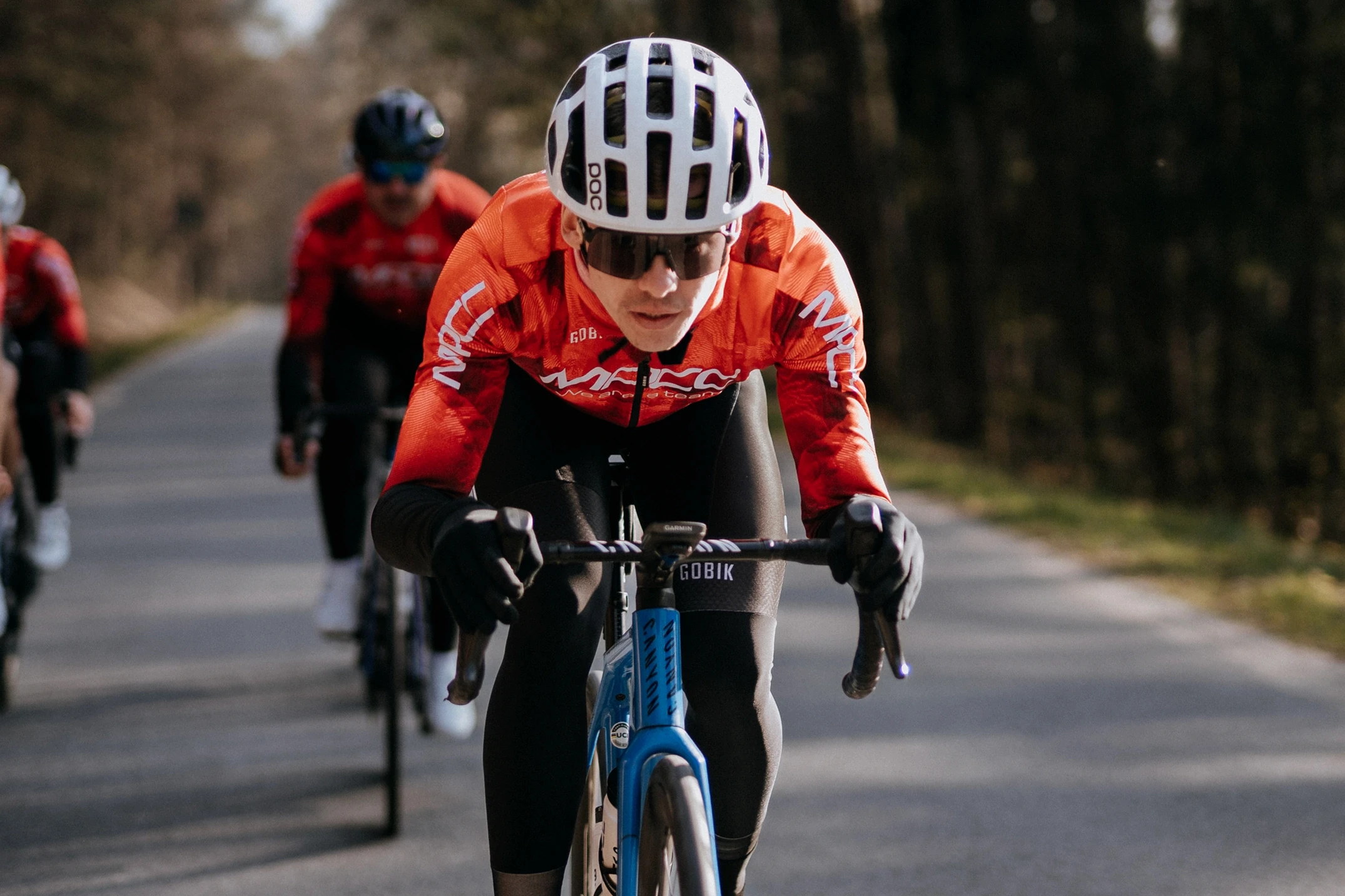
Michał Pustuła | MPCC
Durability - Efforts on Fatigue
120 min
·
High intensity
·
RPE 8
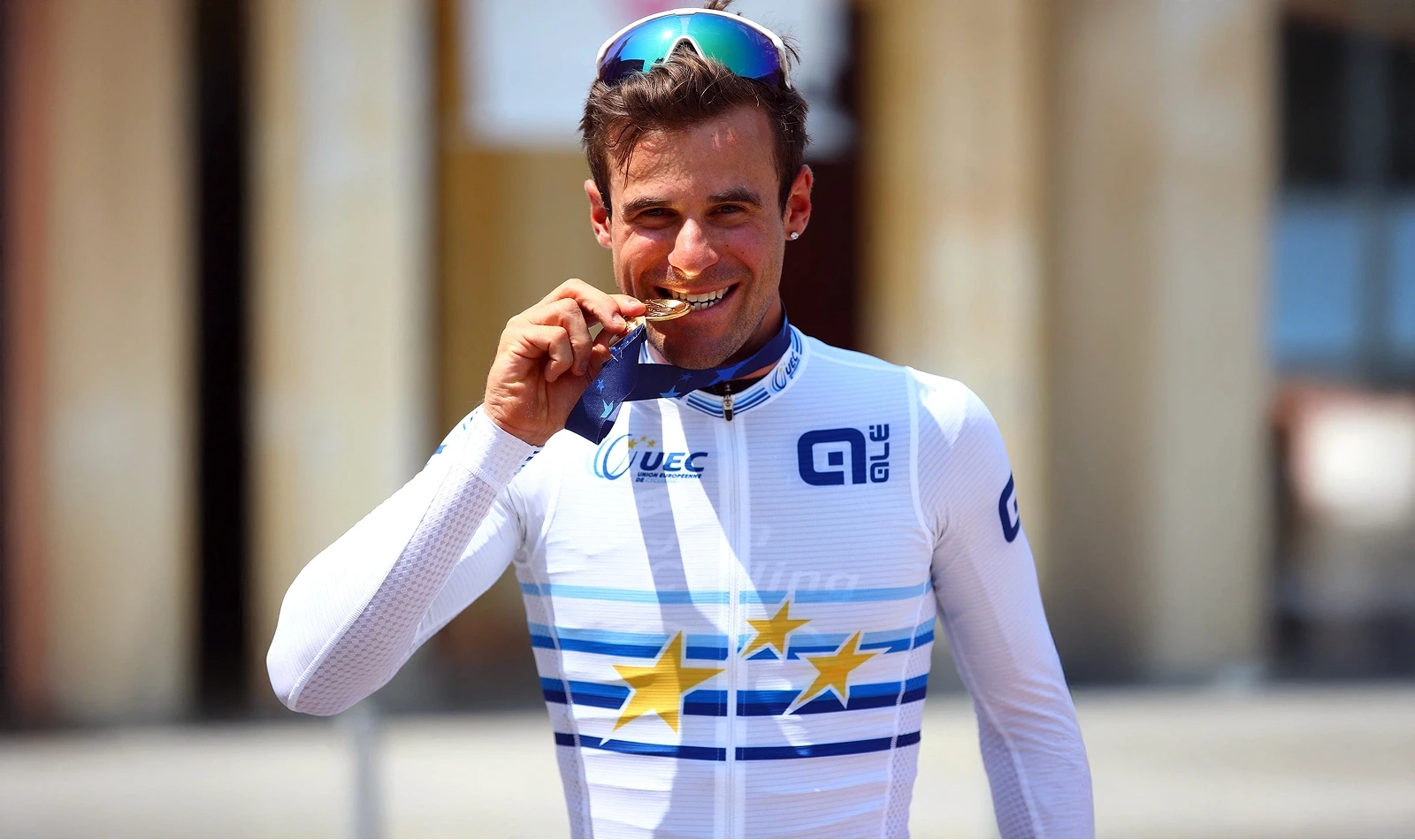

Matteo Cigala | Cigala Cycling
Endurance + Race Simulation
228 min
·
High intensity
·
RPE 9


Ulisses Nunes Abbud
Threshold Sustain After Long Endurance
240 min
·
High intensity
·
RPE 8

Ulisses Nunes Abbud
Fatigue Threshold Intervals
240 min
·
High intensity
·
RPE 8


David Van Orsdel | Devo Performance
Durability Builder
334 min
·
Medium intensity
·
RPE 7
The stimulus
Durability, explained
What it is
Long rides with quality placed late: threshold, VO2 or sprint efforts after two to four hours and a set amount of accumulated work. The stimulus is not the interval itself but the state the body is in when it arrives.
Why it matters
Why it matters
Vekta measures durability as your power curve at 0, 10, 20, 30, 40 and 50 kJ/kg of accumulated work: who you are fresh and who you are deep into a race. The gap between the two is where most amateur races and most WorldTour stages are won or lost. It responds to training, and this is the training.
If you ride it
If you ride it
Fuel these sessions properly; the point is to perform late, not to bonk. Expect the late efforts to feel harder than the same effort fresh, and expect that gap to shrink over a block. These are the longest sessions in the library.
If you coach it
If you coach it
Prescribe the late efforts by % of CP and compare the achieved power to the same effort fresh; the durability tab does the comparison across the athlete's history. A widening gap under fatigue is a fuelling or base problem before it is a fitness problem.
In Vekta
In Vekta
The session's late intervals are personalised in Vekta and the ride's kJ/kg is tracked live. Afterwards the durability view places the efforts on the athlete's fatigue-sliced power curve.
Common questions
How much riding before the efforts?
Should I fuel differently?
How often?


The stimulus
Durability, explained
What it is
Long rides with quality placed late: threshold, VO2 or sprint efforts after two to four hours and a set amount of accumulated work. The stimulus is not the interval itself but the state the body is in when it arrives.
Why it matters
Vekta measures durability as your power curve at 0, 10, 20, 30, 40 and 50 kJ/kg of accumulated work: who you are fresh and who you are deep into a race. The gap between the two is where most amateur races and most WorldTour stages are won or lost. It responds to training, and this is the training.
If you ride it
Fuel these sessions properly; the point is to perform late, not to bonk. Expect the late efforts to feel harder than the same effort fresh, and expect that gap to shrink over a block. These are the longest sessions in the library.
If you coach it
Prescribe the late efforts by % of CP and compare the achieved power to the same effort fresh; the durability tab does the comparison across the athlete's history. A widening gap under fatigue is a fuelling or base problem before it is a fitness problem.
In Vekta
The session's late intervals are personalised in Vekta and the ride's kJ/kg is tracked live. Afterwards the durability view places the efforts on the athlete's fatigue-sliced power curve.
Common questions
How much riding before the efforts?
Should I fuel differently?
How often?
Ride these Durability workouts in Vekta, scaled to your numbers
Ride these Durability workouts in Vekta, scaled to your numbers