Race
Race
Race
10
10
10
min
min
min
Matteo Cigala
Matteo Cigala
What It Really Takes to Win a Gran Fondo
What It Really Takes to Win a Gran Fondo
By Matteo Cigala
What It Really Takes to Win a Gran Fondo
There are coaches who study performance. And there are coaches who have lived it.
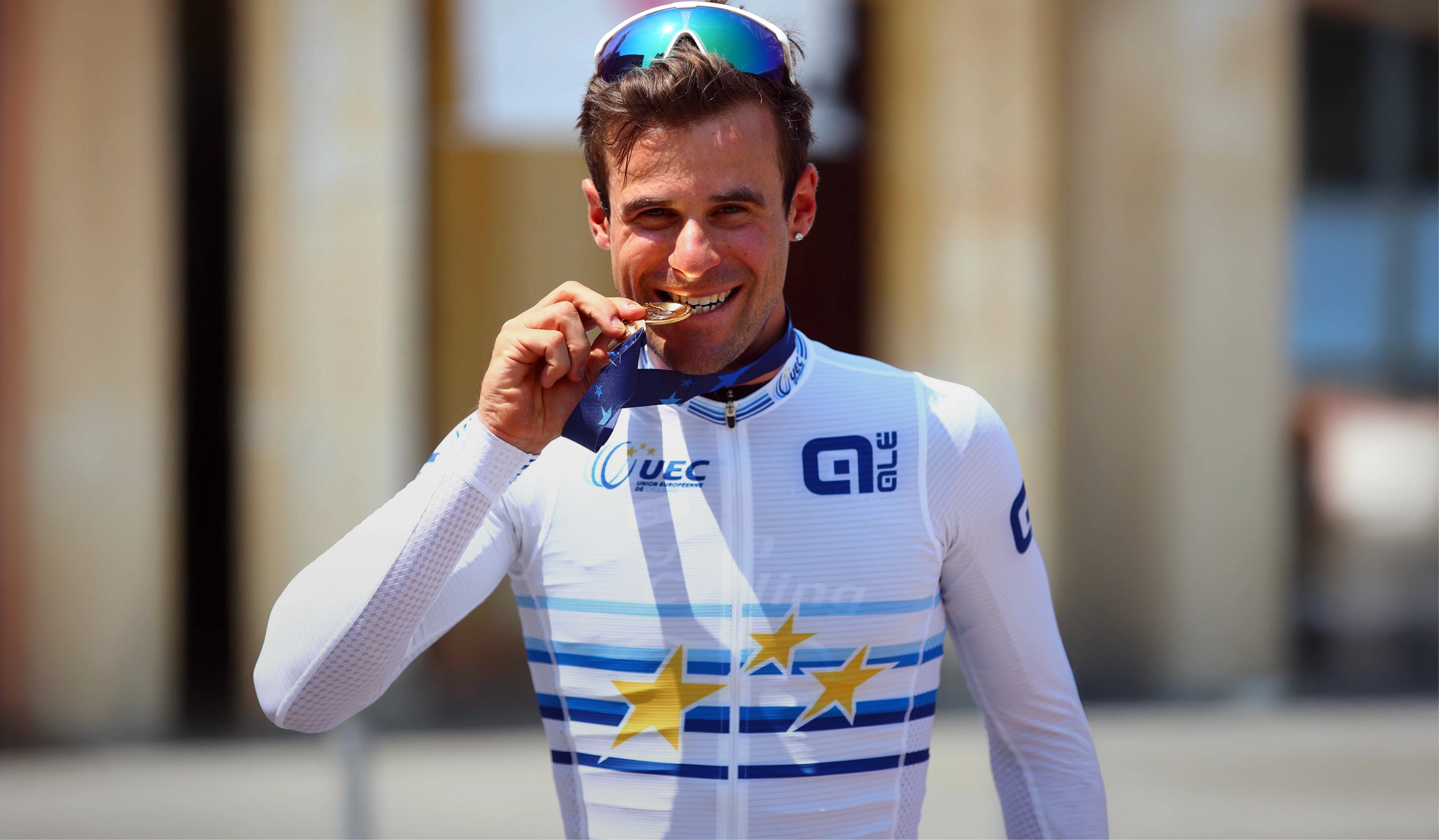
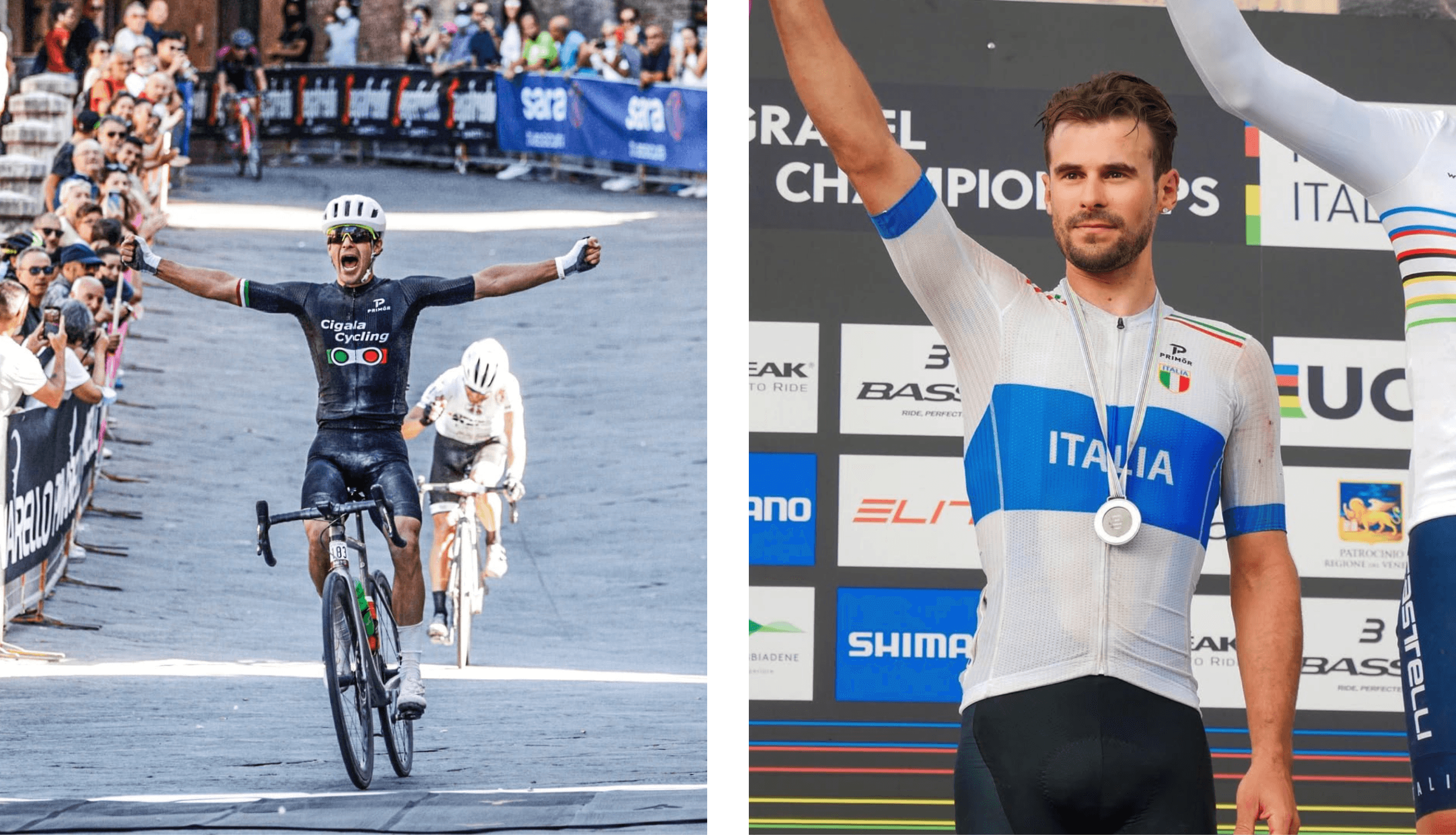
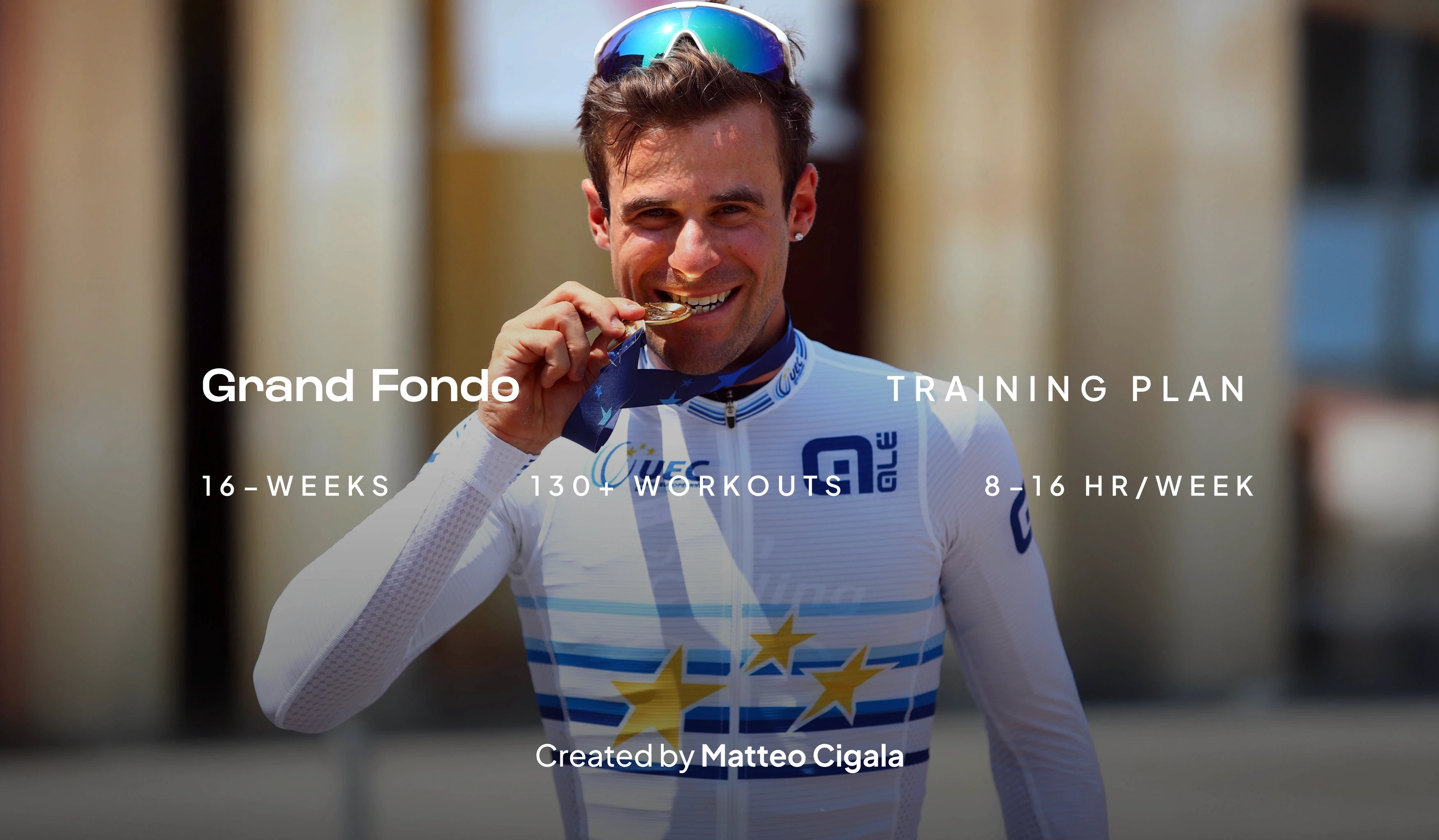
Matteo Cigala has won over 200 races across his career. He has been the Grand Fondo European Champion and a Vice World Champion. His understanding of performance has been forged in breakaways, on decisive climbs, and in the final kilometres where races are truly decided.
That experience matters. Because winning a Gran Fondo is not about a single number. It is about how you prepare, how you manage effort, and how you perform when fatigue, terrain, and pressure converge. Matteo understands this not as theory, but as reality.
In this piece, he breaks down what it truly takes to win a Gran Fondo. Not just from a physiological standpoint, but from the complete performance picture. Fitness, positioning, technical skill, fuelling, and the psychological edge that separates those who compete from those who survive. These principles form the foundation of how performance is modelled inside Vekta.
This is not a checklist. It is a winning blueprint built from experience.
By Matteo Cigala
You do not win a Gran Fondo on race day. You win it in the winter. You win it in the rain. You win it on the days you do not feel like training. When the neutral flag drops and thousands of riders surge forward, the strongest rider does not always win. The most prepared one does.
Preparation is rarely what most riders think it is. A Gran Fondo is not a steady effort. It is not a lab test. It is not a perfectly controlled interval session. It is stochastic. Tactical. Fatiguing. Technical.
To win one, you must master several domains, not just fitness.
1) Build a Real Aerobic Foundation
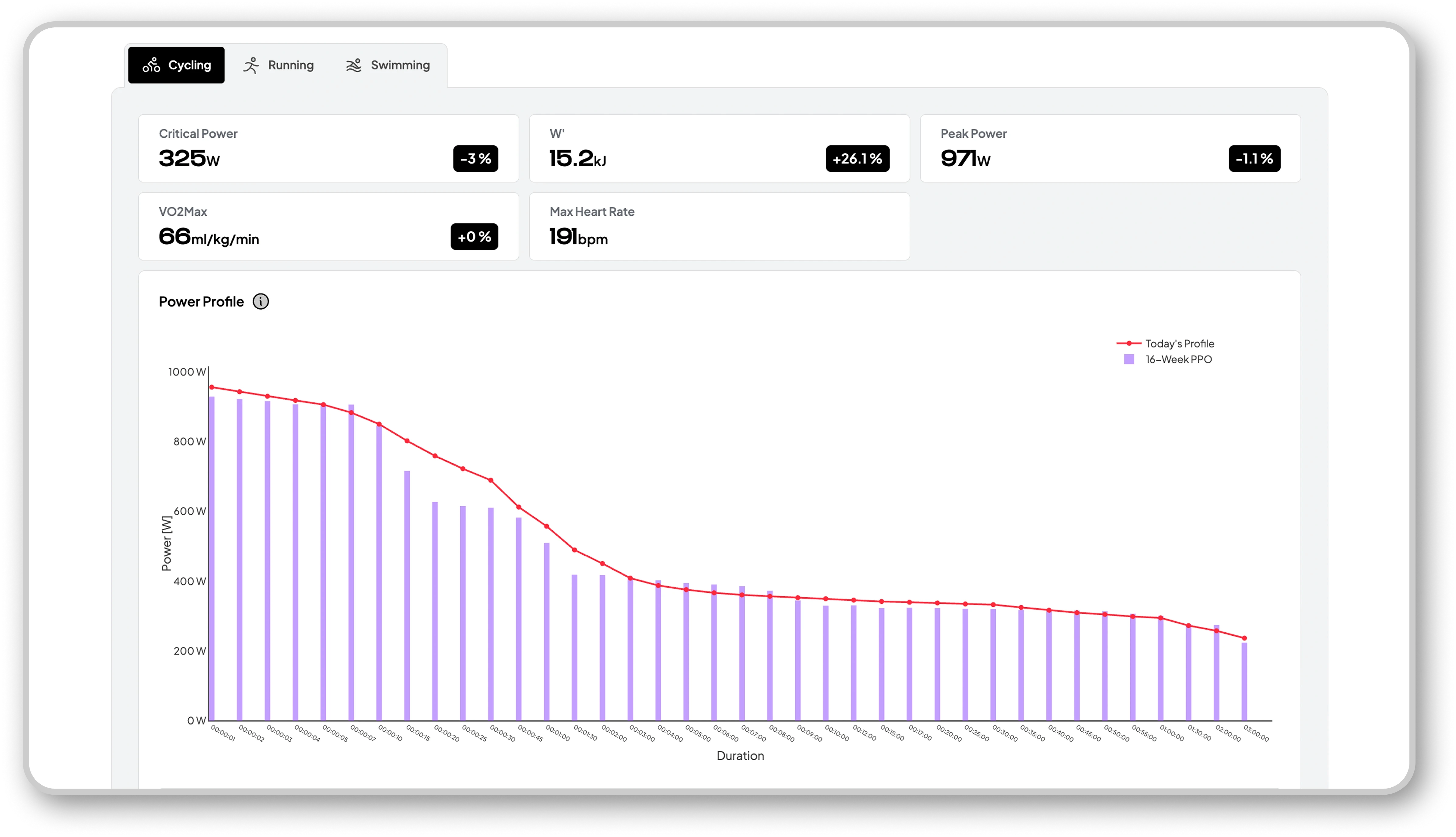
In long distance racing, performance revolves around Critical Power, the boundary between sustainable and unsustainable effort.
Above Critical Power, you draw from a finite reserve: W′. Think of W′ as your matchbook. Every surge, attack, and acceleration burns a match. Once it is empty, your ability to respond disappears until it recovers.
In a Gran Fondo, you constantly dip into that reserve:
Short climbs
Surges in the bunch
Attacks
Closing gaps
Accelerations out of corners
The rider who manages W′ intelligently, and who has trained to recover it efficiently, survives. The rider who burns it carelessly explodes.
Winning requires:
A high and well developed Critical Power
A strong W′ capacity
The ability to repeat supra Critical Power efforts
Fast recovery between those efforts
It is not about producing one big number. It is about distributing effort intelligently across five or six hours. Performance is dynamic, not static.
Most riders prepare around a static threshold number. But Gran Fondo racing does not reward static preparation. Sustainable power and high intensity capacity both evolve across a training block, and preparation must evolve with them.
2) Durability: Performance Under Accumulated Work
Gran Fondos are not decided by fresh legs. They are decided by what you can do after hours of accumulated work. Anyone can produce impressive numbers when rested.
The real question is simple. What does your power look like when you are already metabolically stressed?
Durability is the ability to maintain output under fatigue.
It is how well your Critical Power holds after four hours.
It is how usable your W′ still is in the final climb.
It is whether you can still repeat high intensity efforts when the race demands it.
If your sustainable power drops significantly as fatigue accumulates, you are no longer racing. You are surviving.
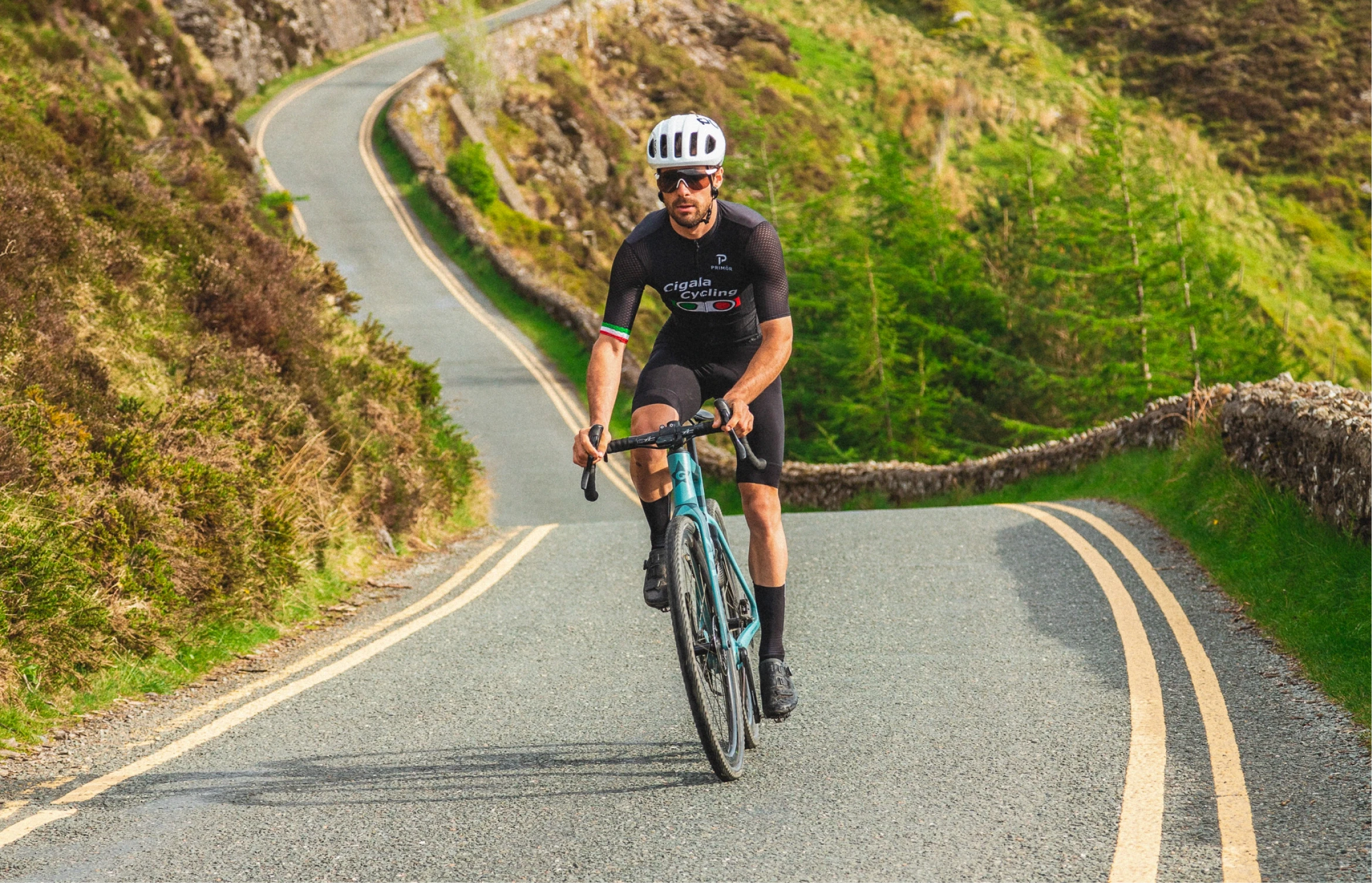
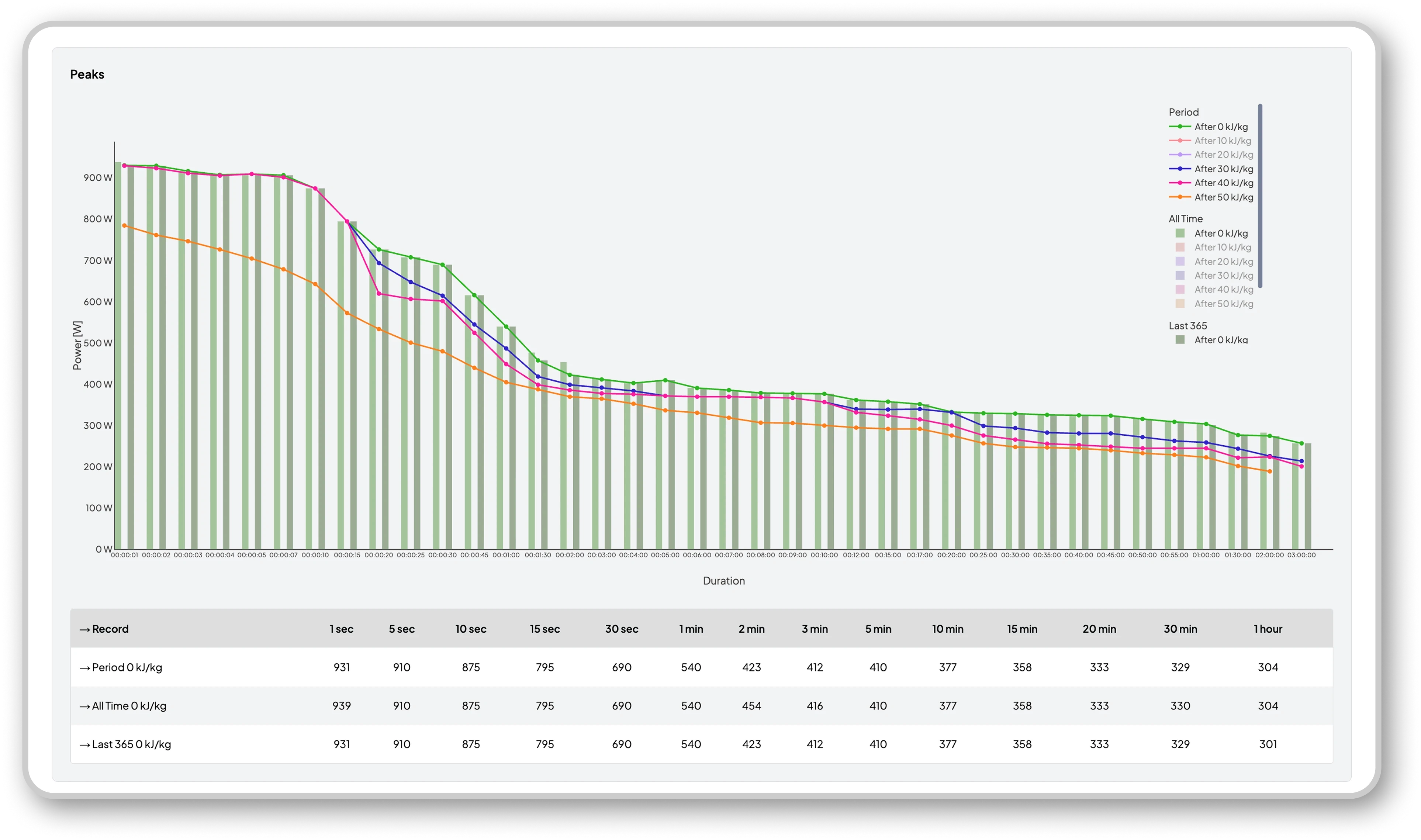
The strongest Gran Fondo riders are not necessarily the ones with the highest peak values. They are the ones whose performance declines the least as the race unfolds. When you analyse racing properly, you do not just look at your power duration curve in isolation. You examine how that curve shifts under fatigue.That shift determines whether you can follow the decisive move in the final hour.
Gran Fondo racing is a test of resistance to decline.
Durability is not built in a single session. It is developed progressively, through structured blocks that expose the athlete to repeatable stress while preserving quality. The progression is deliberate.
3) Positioning and Bunch Intelligence
Fitness without positioning is wasted. Gran Fondos are chaotic at the start. Fast. Nervous. Technical. If you reach the first decisive climb in position 150, you will spend significantly more energy than the rider in position 20, even if you are equally strong.
Every corner stretches the group. Every brake costs a sprint. Every small gap requires an acceleration above Critical Power. Riders deep in the bunch constantly surge. Riders near the front flow. Over several hours, that difference becomes enormous.
Being comfortable in the bunch allows you to:
Stay in the first 20 to 30 wheels
Avoid crashes
Conserve W′
Exit corners at higher speed
Reduce unnecessary accelerations
That is not just about safety. It is about efficiency. And efficiency wins long races.
4) Technical Skill Over Long Distance
Many Gran Fondos include:
Long mountain descents
Technical switchbacks
Narrow or variable roads
Crosswinds and exposed terrain
You can lose small amounts of time on every descent without realising it. Over multiple descents, that becomes decisive.
Strong climbers often underestimate this. But racing is dynamic. You might lose a few seconds on a climb, and recover everything, and more, on the descent.
If you have the skill. Good bike handling means:
A relaxed upper body
Precise braking
Clean corner entry and exit
Confidence at speed
Efficient weight transfer
And most importantly: The ability to descend just as well after four or five hours as you do in the first thirty minutes. Skill under fatigue is performance.
5) Fuelling Protects Performance
Late race collapse is rarely just lack of fitness. It is often poor carbohydrate management. Fuelling protects sustainable power.
Competitive Gran Fondo racing typically requires:
High carbohydrate intake per hour
Consistent hydration
Sodium intake matched to conditions
Under fuelling accelerates decline. If Critical Power falls because glycogen availability drops, you are no longer competing. You are defending.
Nutrition is not support. It is strategy.
6) The Mental Edge: Holding the Wheel
Sometimes the decisive moment lasts 30 seconds. Sometimes one minute. Sometimes two.
Everyone is suffering. Everyone is near their physiological limit. In that moment, the difference is not always who is strongest.
It is who can tolerate discomfort slightly longer. But there is another layer. Patience.
Gran Fondos reward riders who understand timing. Not every surge deserves a response. Not every move is decisive. Strong riders often lose because they react emotionally. The smartest riders let others burn matches.
You must know:
Which climb truly matters
Which section suits your strengths
When to commit
And when to wait
Energy spent at the wrong moment is rarely recovered. Racing is not just about holding the wheel. It is about choosing the right one. Gran Fondos are often won by the rider who suffers just a little bit longer, and a little bit smarter, than everyone else.
The Complete Performance Challenge
Winning a Gran Fondo is not about one metric. It is the integration of:
Aerobic power
W′ management
Durability under fatigue
Positioning intelligence
Technical skill
Fuelling precision
Psychological resilience
And after the race, the numbers tell the truth. Where did you burn W′ unnecessarily? When did Critical Power begin to decline? Did your repeatability fade in the final hour? Winning is not just about the race you ride. It is about the lessons you extract from it.
Preparing for Your Next Gran Fondo
The blueprint Matteo outlines above forms the basis of his Gran Fondo Adaptive Plan inside Vekta.
It translates these principles into structured preparation, developing sustainable output, repeatable high intensity capacity, and durability that holds when the race demands it most.
It is the same preparation framework he applies with the athletes he coaches, informed by more than 200 race victories and championship level experience.
Explore the plan
What It Really Takes to Win a Gran Fondo
There are coaches who study performance. And there are coaches who have lived it.
Matteo Cigala has won over 200 races across his career. He has been the Grand Fondo European Champion and a Vice World Champion. His understanding of performance has been forged in breakaways, on decisive climbs, and in the final kilometres where races are truly decided.
That experience matters. Because winning a Gran Fondo is not about a single number. It is about how you prepare, how you manage effort, and how you perform when fatigue, terrain, and pressure converge. Matteo understands this not as theory, but as reality.
In this piece, he breaks down what it truly takes to win a Gran Fondo. Not just from a physiological standpoint, but from the complete performance picture. Fitness, positioning, technical skill, fuelling, and the psychological edge that separates those who compete from those who survive. These principles form the foundation of how performance is modelled inside Vekta.
This is not a checklist. It is a winning blueprint built from experience.
By Matteo Cigala
You do not win a Gran Fondo on race day. You win it in the winter. You win it in the rain. You win it on the days you do not feel like training. When the neutral flag drops and thousands of riders surge forward, the strongest rider does not always win. The most prepared one does.
Preparation is rarely what most riders think it is. A Gran Fondo is not a steady effort. It is not a lab test. It is not a perfectly controlled interval session. It is stochastic. Tactical. Fatiguing. Technical.
To win one, you must master several domains, not just fitness.
1) Build a Real Aerobic Foundation
In long distance racing, performance revolves around Critical Power, the boundary between sustainable and unsustainable effort.
Above Critical Power, you draw from a finite reserve: W′. Think of W′ as your matchbook. Every surge, attack, and acceleration burns a match. Once it is empty, your ability to respond disappears until it recovers.
In a Gran Fondo, you constantly dip into that reserve:
Short climbs
Surges in the bunch
Attacks
Closing gaps
Accelerations out of corners
The rider who manages W′ intelligently, and who has trained to recover it efficiently, survives. The rider who burns it carelessly explodes.
Winning requires:
A high and well developed Critical Power
A strong W′ capacity
The ability to repeat supra Critical Power efforts
Fast recovery between those efforts
It is not about producing one big number. It is about distributing effort intelligently across five or six hours. Performance is dynamic, not static.
Most riders prepare around a static threshold number. But Gran Fondo racing does not reward static preparation. Sustainable power and high intensity capacity both evolve across a training block, and preparation must evolve with them.
2) Durability: Performance Under Accumulated Work
Gran Fondos are not decided by fresh legs. They are decided by what you can do after hours of accumulated work. Anyone can produce impressive numbers when rested.
The real question is simple. What does your power look like when you are already metabolically stressed?
Durability is the ability to maintain output under fatigue.
It is how well your Critical Power holds after four hours.
It is how usable your W′ still is in the final climb.
It is whether you can still repeat high intensity efforts when the race demands it.
If your sustainable power drops significantly as fatigue accumulates, you are no longer racing. You are surviving.
The strongest Gran Fondo riders are not necessarily the ones with the highest peak values. They are the ones whose performance declines the least as the race unfolds. When you analyse racing properly, you do not just look at your power duration curve in isolation. You examine how that curve shifts under fatigue.That shift determines whether you can follow the decisive move in the final hour.
Gran Fondo racing is a test of resistance to decline.
Durability is not built in a single session. It is developed progressively, through structured blocks that expose the athlete to repeatable stress while preserving quality. The progression is deliberate.
3) Positioning and Bunch Intelligence
Fitness without positioning is wasted. Gran Fondos are chaotic at the start. Fast. Nervous. Technical. If you reach the first decisive climb in position 150, you will spend significantly more energy than the rider in position 20, even if you are equally strong.
Every corner stretches the group. Every brake costs a sprint. Every small gap requires an acceleration above Critical Power. Riders deep in the bunch constantly surge. Riders near the front flow. Over several hours, that difference becomes enormous.
Being comfortable in the bunch allows you to:
Stay in the first 20 to 30 wheels
Avoid crashes
Conserve W′
Exit corners at higher speed
Reduce unnecessary accelerations
That is not just about safety. It is about efficiency. And efficiency wins long races.
4) Technical Skill Over Long Distance
Many Gran Fondos include:
Long mountain descents
Technical switchbacks
Narrow or variable roads
Crosswinds and exposed terrain
You can lose small amounts of time on every descent without realising it. Over multiple descents, that becomes decisive.
Strong climbers often underestimate this. But racing is dynamic. You might lose a few seconds on a climb, and recover everything, and more, on the descent.
If you have the skill. Good bike handling means:
A relaxed upper body
Precise braking
Clean corner entry and exit
Confidence at speed
Efficient weight transfer
And most importantly: The ability to descend just as well after four or five hours as you do in the first thirty minutes. Skill under fatigue is performance.
5) Fuelling Protects Performance
Late race collapse is rarely just lack of fitness. It is often poor carbohydrate management. Fuelling protects sustainable power.
Competitive Gran Fondo racing typically requires:
High carbohydrate intake per hour
Consistent hydration
Sodium intake matched to conditions
Under fuelling accelerates decline. If Critical Power falls because glycogen availability drops, you are no longer competing. You are defending.
Nutrition is not support. It is strategy.
6) The Mental Edge: Holding the Wheel
Sometimes the decisive moment lasts 30 seconds. Sometimes one minute. Sometimes two.
Everyone is suffering. Everyone is near their physiological limit. In that moment, the difference is not always who is strongest.
It is who can tolerate discomfort slightly longer. But there is another layer. Patience.
Gran Fondos reward riders who understand timing. Not every surge deserves a response. Not every move is decisive. Strong riders often lose because they react emotionally. The smartest riders let others burn matches.
You must know:
Which climb truly matters
Which section suits your strengths
When to commit
And when to wait
Energy spent at the wrong moment is rarely recovered. Racing is not just about holding the wheel. It is about choosing the right one. Gran Fondos are often won by the rider who suffers just a little bit longer, and a little bit smarter, than everyone else.
The Complete Performance Challenge
Winning a Gran Fondo is not about one metric. It is the integration of:
Aerobic power
W′ management
Durability under fatigue
Positioning intelligence
Technical skill
Fuelling precision
Psychological resilience
And after the race, the numbers tell the truth. Where did you burn W′ unnecessarily? When did Critical Power begin to decline? Did your repeatability fade in the final hour? Winning is not just about the race you ride. It is about the lessons you extract from it.
Preparing for Your Next Gran Fondo
The blueprint Matteo outlines above forms the basis of his Gran Fondo Adaptive Plan inside Vekta.
It translates these principles into structured preparation, developing sustainable output, repeatable high intensity capacity, and durability that holds when the race demands it most.
It is the same preparation framework he applies with the athletes he coaches, informed by more than 200 race victories and championship level experience.
Explore the plan
Try Vekta free
Put the theory to work
Vekta is where coaches and athletes plan the work, see the numbers, and track what actually changes.
Try Vekta free
Put the theory to work
Vekta is where coaches and athletes plan the work, see the numbers, and track what actually changes.
Frequently asked questions
Frequently asked questions
Cigala Cycling