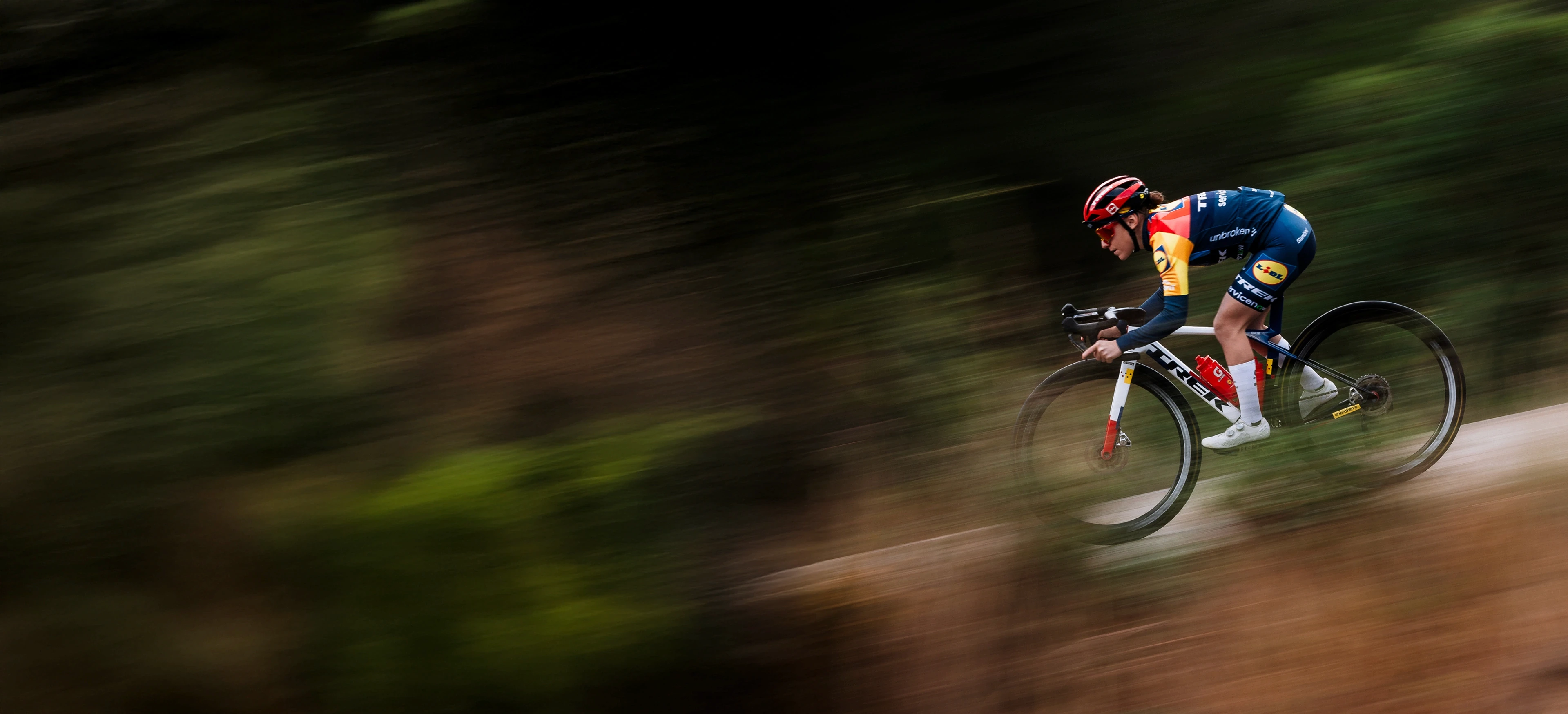
A Date With The Devil, a Neuromuscular cycling workout from Ben Millar

Workout library · Stimulus

Neuromuscular cycling workouts

Maximal, explosive efforts that train the nervous system and the top of the curve.

The stimulus

Neuromuscular, explained

What it is

Very short efforts, five to sixty seconds, at 180% of critical power and above, with full recovery between them. Sprints, standing starts, torque efforts and short hill attacks live here. In Vekta's classification anything above 180% of CP is neuromuscular.

Why it matters

Why it matters

Peak power, Pmax, is one of the three numbers in the performance model, and it is the one most riders never train. It decides who wins the sprint, who makes the split when the road kicks, and it feeds the whole power curve: a higher top end makes every effort below it feel easier.

If you ride it

If you ride it

Quality over quantity. These are the only intervals where you should stop the set as soon as power drops, because the point is the maximum, not the fatigue. They are best placed early in the week or before a hard session, never after a long ride.

If you coach it

If you coach it

Track Pmax and the five-second peak over a block; both should move within weeks. Recovery between efforts is the lever: cut it and the session becomes anaerobic capacity work, which is a different adaptation.

In Vekta

In Vekta

The AI Workout Builder handles the nested structure, and the head unit shows the targets. Afterwards the peaks tab flags the best efforts, and the trophy view shows whether the session produced an all-time or eight-week best.

Common questions

How long should recovery be between sprints?

Should sprints be seated or standing?

Do neuromuscular sessions build endurance?

The stimulus

Neuromuscular, explained

What it is

Very short efforts, five to sixty seconds, at 180% of critical power and above, with full recovery between them. Sprints, standing starts, torque efforts and short hill attacks live here. In Vekta's classification anything above 180% of CP is neuromuscular.

Why it matters

Peak power, Pmax, is one of the three numbers in the performance model, and it is the one most riders never train. It decides who wins the sprint, who makes the split when the road kicks, and it feeds the whole power curve: a higher top end makes every effort below it feel easier.

If you ride it

Quality over quantity. These are the only intervals where you should stop the set as soon as power drops, because the point is the maximum, not the fatigue. They are best placed early in the week or before a hard session, never after a long ride.

If you coach it

Track Pmax and the five-second peak over a block; both should move within weeks. Recovery between efforts is the lever: cut it and the session becomes anaerobic capacity work, which is a different adaptation.

In Vekta

The AI Workout Builder handles the nested structure, and the head unit shows the targets. Afterwards the peaks tab flags the best efforts, and the trophy view shows whether the session produced an all-time or eight-week best.

Common questions

How long should recovery be between sprints?

Should sprints be seated or standing?

Do neuromuscular sessions build endurance?

Ride these Neuromuscular workouts in Vekta, scaled to your numbers

Ride these Neuromuscular workouts in Vekta, scaled to your numbers

Ride these Neuromuscular workouts in Vekta, scaled to your numbers