Athlete
Athlete
Athlete
12
12
12
min
min
min
Vekta
Vekta
Top Tools for Athletes
Top Tools for Athletes
How Technology is Transforming Training
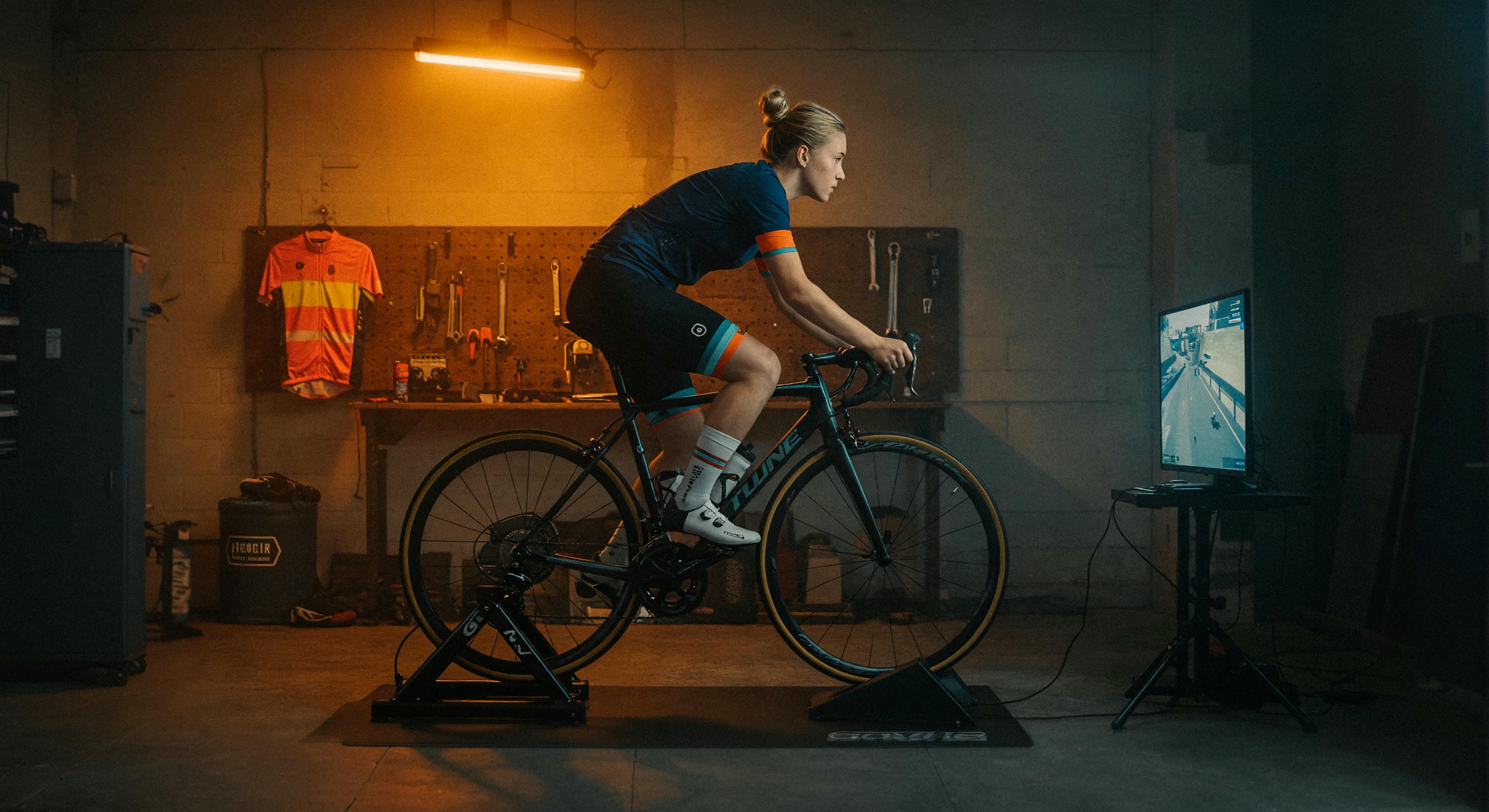
AI in sports training has become a buzzworthy concept and for good reason. Technology has changed how we approach everything in our lives and now, it’s reshaping how athletes train, recover and compete: gone are the days when an athlete's performance improvement relied solely on intuition and manual tracking. Today, AI tools for athletes offer real-time, data-driven insights that help athletes of all levels — from amateurs to professionals — get better, faster.AI isn’t just for tech geeks anymore. It’s being widely adopted by athletes and coaches to predict performance trends, optimise training plans and improve recovery strategies. With access to detailed data analysis and predictive insights, AI can help athletes break through plateaus and coaches manage more clients with precision. Whether it’s a cycling enthusiast tracking every watt or a coach looking to scale their business, AI offers incredible tools for maximising potential. Let's look at the top AI tools that are changing the game and how they’re helping both athletes and coaches.
What Makes AI Special for Athletes?
ou might wonder, what makes AI different from traditional training methods? Well, AI-driven training is all about using data and machine learning to create hyper-personalised training plans and offer real-time feedback. Unlike traditional methods that offer one-size-fits-all approaches, AI allows for dynamic adjustments based on the athlete’s unique performance metrics, physiological data and recovery.In traditional training, athletes often followed a set program for weeks or months. If something went wrong — overtraining, injury, or simply hitting a performance plateau — it could take weeks to adjust. With AI, that lag disappears. AI tools can monitor performance in real time and adjust training loads, intensities and rest days to suit the athlete’s immediate needs.
Why is this important?
In endurance sports, where consistency and gradual improvements are crucial, AI offers predictive analytics. It doesn’t just show where you are today but where you’re likely to be in weeks or months. This predictive ability is invaluable in preventing overtraining and helping athletes peak at the right time, whether for a race or competition.For coaches, AI means less time spent crunching numbers and more time focusing on strategy. The ability to scale up — handling multiple athletes without compromising on individual attention — is another significant advantage. So, it’s no surprise that AI-powered platforms are fast becoming a necessity for both athletes and coaches.
Top AI Tools for Athletes
When it comes to AI tools or Algorithms Enhanced platforms for athletes, there’s no shortage of options available: these tools range from highly advanced platforms offering in-depth data analysis to wearables that track performance metrics on the go. Here’s a look at some of the most game-changing tools transforming training today:
Vekta
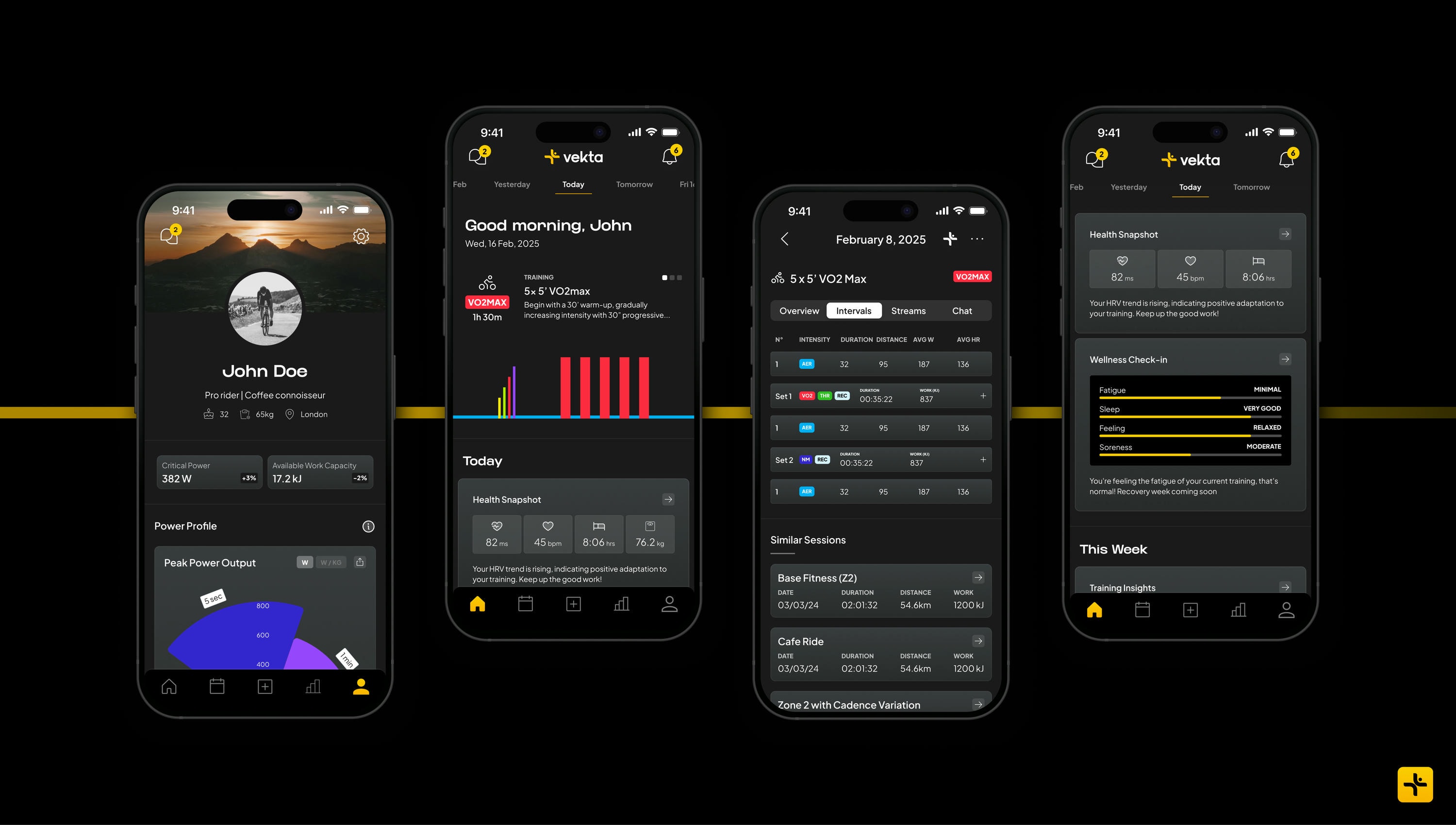
At the forefront of AI-driven sports platforms is Vekta. Designed to be a comprehensive solution for both athletes and coaches, Vekta stands out for its proprietary Vekta Performance Metrics. From the Vekta Gauge that compares planned vs. actual performance to its adaptive Performance Model, Vekta goes beyond mere data tracking.
Here’s why it’s a standout:
Multi-sport support: Whether you're a cyclist, runner or triathlete, Vekta caters to your specific needs, making it ideal for endurance athletes.
Hyper-personalisation: Vekta tracks everything — training intensity, recovery metrics and fatigue — and adapts plans in real-time, helping athletes fine-tune their performance without risking burnout.
Whoop
A frontrunner in wearable technology, Whoop is known for tracking sleep, strain and recovery — key components that influence athletic performance. With Whoop, athletes can optimise their recovery schedules and gain insights into how hard they should train on a given day.
AI-driven insights: The AI behind Whoop provides actionable data based on heart rate variability (HRV) and sleep quality. If your recovery is suboptimal, Whoop will suggest pulling back on your training intensity to prevent injury.
Whoop isn’t just about how much you can push but when to pull back — a key element that traditional training methods often overlook.
Strava & TrainingPeaks
Strava and TrainingPeaks are two names synonymous with endurance sports. Both platforms are widely used for tracking performance, but with AI integrated into their frameworks, they’ve become much more powerful.
Strava: With features like Beacon and Heatmaps, Strava uses a proprietary algorithm to aggregate data and provide personalised route suggestions, performance stats and insights into how your fitness is evolving.
TrainingPeaks: While TrainingPeaks is a widely respected platform for endurance athletes and coaches, it focuses on data aggregation rather than AI-driven insights. TrainingPeaks allows users to track their performance, but the analysis and adaptation of the data are left to the user or coach. This means that, while it provides valuable tools, athletes and coaches still need to interpret the data manually, which makes Vekta's AI advantage stand out. By automatically analysing the data and offering personalised feedback in real time, Vekta significantly reduces the time coaches and athletes spend on manual analysis.
Other Platforms: WKO5 & Zwift
Similarly, WKO5 is a powerful tool for advanced data analysis, especially for those who prefer to get deep into the metrics. However, it doesn't leverage AI insights. Instead, WKO5 relies on complex algorithms and data models that require expert interpretation, making it less user-friendly for beginners or those looking for automated insights. This is where Vekta shines — offering a more accessible and intuitive platform that caters to both advanced users and those who need AI-powered simplicity in understanding their performance metrics.
On the other hand, Zwift, an online cycling and running platform, is known for gamifying training. While not leveraging any AI Insights, nor sophisticated algorithms; Zwift help athletes adjust workout intensity based on real-time performance, making training interactive and adaptive.
How Athletes Can Use AI Tools to Boost Performance
With the right AI tools, athletes can make strategic changes that yield significant results. AI helps you figure out when to push harder and when to recover. It’s not just about tracking; it’s about adapting and making sure you stay on the optimal path to improvement.
Practical Examples:
Training Intensity & Volume: By tracking the intensity and volume of each workout, AI tools like Vekta and Whoop help athletes adjust their plans, ensuring they aren’t overtraining or under-training.
Recovery: One of the critical areas where AI shines is in recovery monitoring. AI tools analyse not just your workout performance but your recovery metrics, like sleep quality and HRV, to make sure you’re ready for your next session.
Athletes who embrace AI tools see not only a boost in performance but also in how they approach their training. It’s like having a coach and performance lab in your pocket.
For Coaches: Enhancing the Coaching Experience with AI
For coaches, AI is a game-changer. Managing multiple athletes is no longer a time-consuming, manual task. With AI tools like Vekta, coaches can get real-time feedback on all their athletes, making adjustments in a fraction of the time.
Here’s how:
Automatic session feedback: AI platforms provide immediate feedback after training sessions, helping coaches make quick adjustments.
Data interpretation made easy: With AI tools doing the heavy lifting, coaches can focus on strategy, leaving the data-crunching to the platform.
The result? Coaches can handle more athletes without compromising on personalisation, and the AI-powered platform helps ensure every athlete gets the attention they deserve.
Future of AI in Sports Training
So, what’s next for AI in sports training? The future is bright, with continued developments that promise to make training even more precise and tailored.
More accurate predictions: As AI tools gather more data, their predictions will become increasingly accurate, giving athletes and coaches unprecedented foresight into performance trends.
Smarter recovery: We’re already seeing how AI can improve recovery insights, but in the future, expect even more nuanced recovery metrics that consider everything from mental fatigue to nutrition.
Soon, AI tools for athletes will likely expand into even more sports, providing tailored insights for everything from swimming to skiing. The possibilities are endless.
AI is no longer a futuristic concept — it’s here and it’s transforming how athletes and coaches approach training. From Vekta’s hyper-personalised platform to wearables like Whoop, AI is helping athletes train smarter, recover faster and perform better.
Ready to take your training to the next level? Explore how Vekta’s AI-driven platform can provide the insights you need to optimise your performance, no matter your sport.
Discover Vekta’s AI-powered platform and start your journey today!
AI in sports training has become a buzzworthy concept and for good reason. Technology has changed how we approach everything in our lives and now, it’s reshaping how athletes train, recover and compete: gone are the days when an athlete's performance improvement relied solely on intuition and manual tracking. Today, AI tools for athletes offer real-time, data-driven insights that help athletes of all levels — from amateurs to professionals — get better, faster.AI isn’t just for tech geeks anymore. It’s being widely adopted by athletes and coaches to predict performance trends, optimise training plans and improve recovery strategies. With access to detailed data analysis and predictive insights, AI can help athletes break through plateaus and coaches manage more clients with precision. Whether it’s a cycling enthusiast tracking every watt or a coach looking to scale their business, AI offers incredible tools for maximising potential. Let's look at the top AI tools that are changing the game and how they’re helping both athletes and coaches.
What Makes AI Special for Athletes?
ou might wonder, what makes AI different from traditional training methods? Well, AI-driven training is all about using data and machine learning to create hyper-personalised training plans and offer real-time feedback. Unlike traditional methods that offer one-size-fits-all approaches, AI allows for dynamic adjustments based on the athlete’s unique performance metrics, physiological data and recovery.In traditional training, athletes often followed a set program for weeks or months. If something went wrong — overtraining, injury, or simply hitting a performance plateau — it could take weeks to adjust. With AI, that lag disappears. AI tools can monitor performance in real time and adjust training loads, intensities and rest days to suit the athlete’s immediate needs.
Why is this important?
In endurance sports, where consistency and gradual improvements are crucial, AI offers predictive analytics. It doesn’t just show where you are today but where you’re likely to be in weeks or months. This predictive ability is invaluable in preventing overtraining and helping athletes peak at the right time, whether for a race or competition.For coaches, AI means less time spent crunching numbers and more time focusing on strategy. The ability to scale up — handling multiple athletes without compromising on individual attention — is another significant advantage. So, it’s no surprise that AI-powered platforms are fast becoming a necessity for both athletes and coaches.
Top AI Tools for Athletes
When it comes to AI tools or Algorithms Enhanced platforms for athletes, there’s no shortage of options available: these tools range from highly advanced platforms offering in-depth data analysis to wearables that track performance metrics on the go. Here’s a look at some of the most game-changing tools transforming training today:
Vekta
At the forefront of AI-driven sports platforms is Vekta. Designed to be a comprehensive solution for both athletes and coaches, Vekta stands out for its proprietary Vekta Performance Metrics. From the Vekta Gauge that compares planned vs. actual performance to its adaptive Performance Model, Vekta goes beyond mere data tracking.
Here’s why it’s a standout:
Multi-sport support: Whether you're a cyclist, runner or triathlete, Vekta caters to your specific needs, making it ideal for endurance athletes.
Hyper-personalisation: Vekta tracks everything — training intensity, recovery metrics and fatigue — and adapts plans in real-time, helping athletes fine-tune their performance without risking burnout.
Whoop
A frontrunner in wearable technology, Whoop is known for tracking sleep, strain and recovery — key components that influence athletic performance. With Whoop, athletes can optimise their recovery schedules and gain insights into how hard they should train on a given day.
AI-driven insights: The AI behind Whoop provides actionable data based on heart rate variability (HRV) and sleep quality. If your recovery is suboptimal, Whoop will suggest pulling back on your training intensity to prevent injury.
Whoop isn’t just about how much you can push but when to pull back — a key element that traditional training methods often overlook.
Strava & TrainingPeaks
Strava and TrainingPeaks are two names synonymous with endurance sports. Both platforms are widely used for tracking performance, but with AI integrated into their frameworks, they’ve become much more powerful.
Strava: With features like Beacon and Heatmaps, Strava uses a proprietary algorithm to aggregate data and provide personalised route suggestions, performance stats and insights into how your fitness is evolving.
TrainingPeaks: While TrainingPeaks is a widely respected platform for endurance athletes and coaches, it focuses on data aggregation rather than AI-driven insights. TrainingPeaks allows users to track their performance, but the analysis and adaptation of the data are left to the user or coach. This means that, while it provides valuable tools, athletes and coaches still need to interpret the data manually, which makes Vekta's AI advantage stand out. By automatically analysing the data and offering personalised feedback in real time, Vekta significantly reduces the time coaches and athletes spend on manual analysis.
Other Platforms: WKO5 & Zwift
Similarly, WKO5 is a powerful tool for advanced data analysis, especially for those who prefer to get deep into the metrics. However, it doesn't leverage AI insights. Instead, WKO5 relies on complex algorithms and data models that require expert interpretation, making it less user-friendly for beginners or those looking for automated insights. This is where Vekta shines — offering a more accessible and intuitive platform that caters to both advanced users and those who need AI-powered simplicity in understanding their performance metrics.
On the other hand, Zwift, an online cycling and running platform, is known for gamifying training. While not leveraging any AI Insights, nor sophisticated algorithms; Zwift help athletes adjust workout intensity based on real-time performance, making training interactive and adaptive.
How Athletes Can Use AI Tools to Boost Performance
With the right AI tools, athletes can make strategic changes that yield significant results. AI helps you figure out when to push harder and when to recover. It’s not just about tracking; it’s about adapting and making sure you stay on the optimal path to improvement.
Practical Examples:
Training Intensity & Volume: By tracking the intensity and volume of each workout, AI tools like Vekta and Whoop help athletes adjust their plans, ensuring they aren’t overtraining or under-training.
Recovery: One of the critical areas where AI shines is in recovery monitoring. AI tools analyse not just your workout performance but your recovery metrics, like sleep quality and HRV, to make sure you’re ready for your next session.
Athletes who embrace AI tools see not only a boost in performance but also in how they approach their training. It’s like having a coach and performance lab in your pocket.
For Coaches: Enhancing the Coaching Experience with AI
For coaches, AI is a game-changer. Managing multiple athletes is no longer a time-consuming, manual task. With AI tools like Vekta, coaches can get real-time feedback on all their athletes, making adjustments in a fraction of the time.
Here’s how:
Automatic session feedback: AI platforms provide immediate feedback after training sessions, helping coaches make quick adjustments.
Data interpretation made easy: With AI tools doing the heavy lifting, coaches can focus on strategy, leaving the data-crunching to the platform.
The result? Coaches can handle more athletes without compromising on personalisation, and the AI-powered platform helps ensure every athlete gets the attention they deserve.
Future of AI in Sports Training
So, what’s next for AI in sports training? The future is bright, with continued developments that promise to make training even more precise and tailored.
More accurate predictions: As AI tools gather more data, their predictions will become increasingly accurate, giving athletes and coaches unprecedented foresight into performance trends.
Smarter recovery: We’re already seeing how AI can improve recovery insights, but in the future, expect even more nuanced recovery metrics that consider everything from mental fatigue to nutrition.
Soon, AI tools for athletes will likely expand into even more sports, providing tailored insights for everything from swimming to skiing. The possibilities are endless.
AI is no longer a futuristic concept — it’s here and it’s transforming how athletes and coaches approach training. From Vekta’s hyper-personalised platform to wearables like Whoop, AI is helping athletes train smarter, recover faster and perform better.
Ready to take your training to the next level? Explore how Vekta’s AI-driven platform can provide the insights you need to optimise your performance, no matter your sport.
Discover Vekta’s AI-powered platform and start your journey today!

Try Vekta free
Put the theory to work
Vekta is where coaches and athletes plan the work, see the numbers, and track what actually changes.
Try Vekta free
Put the theory to work
Vekta is where coaches and athletes plan the work, see the numbers, and track what actually changes.
Frequently asked questions
Frequently asked questions

Vekta Employee

