Race
Race
Race
6
6
6
min
min
min
Dominic Valerio
Dominic Valerio
6 Coaching Lessons from The Traka
6 Coaching Lessons from The Traka
Vekta Coach Ulisses Nunes Abbud.
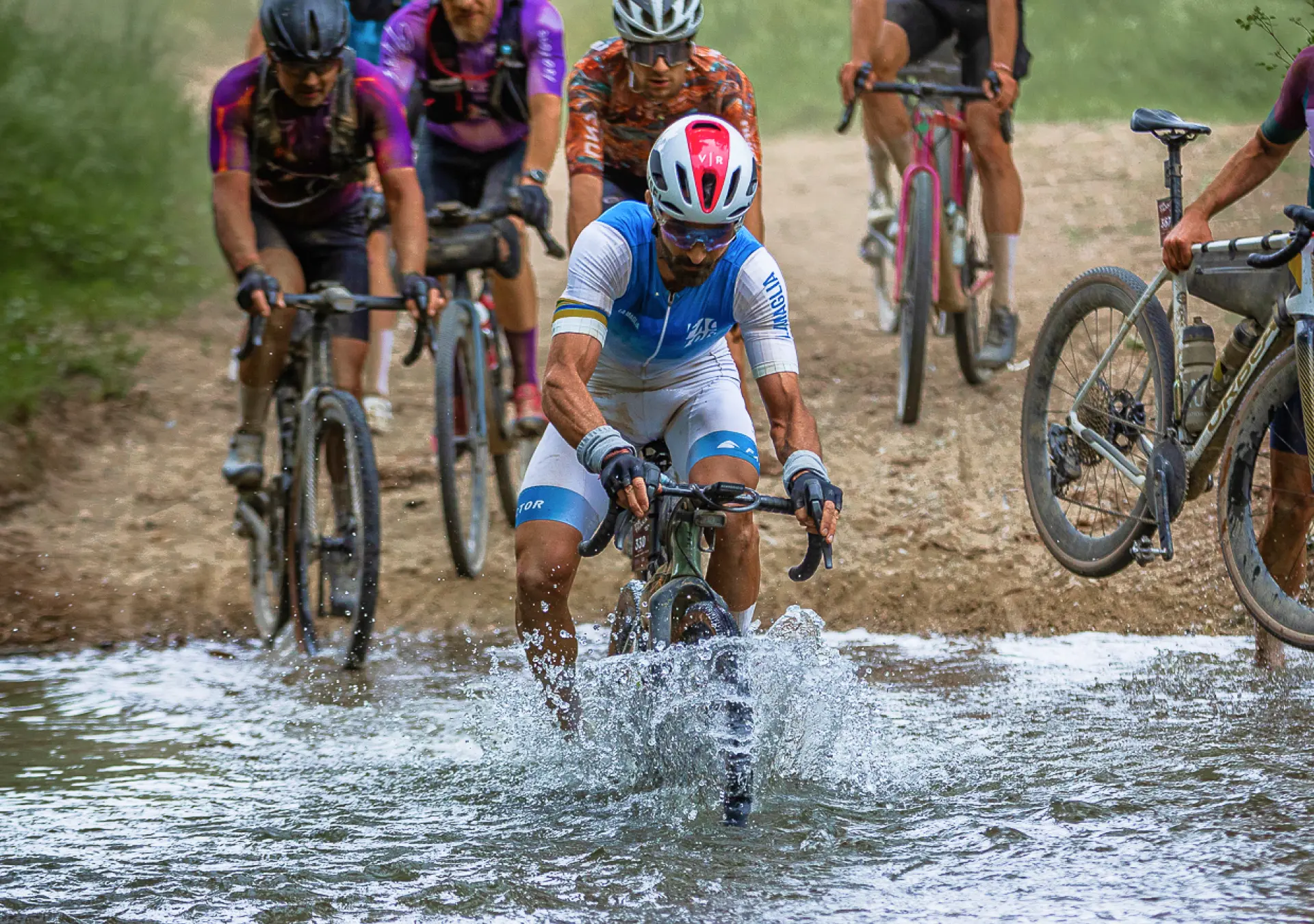
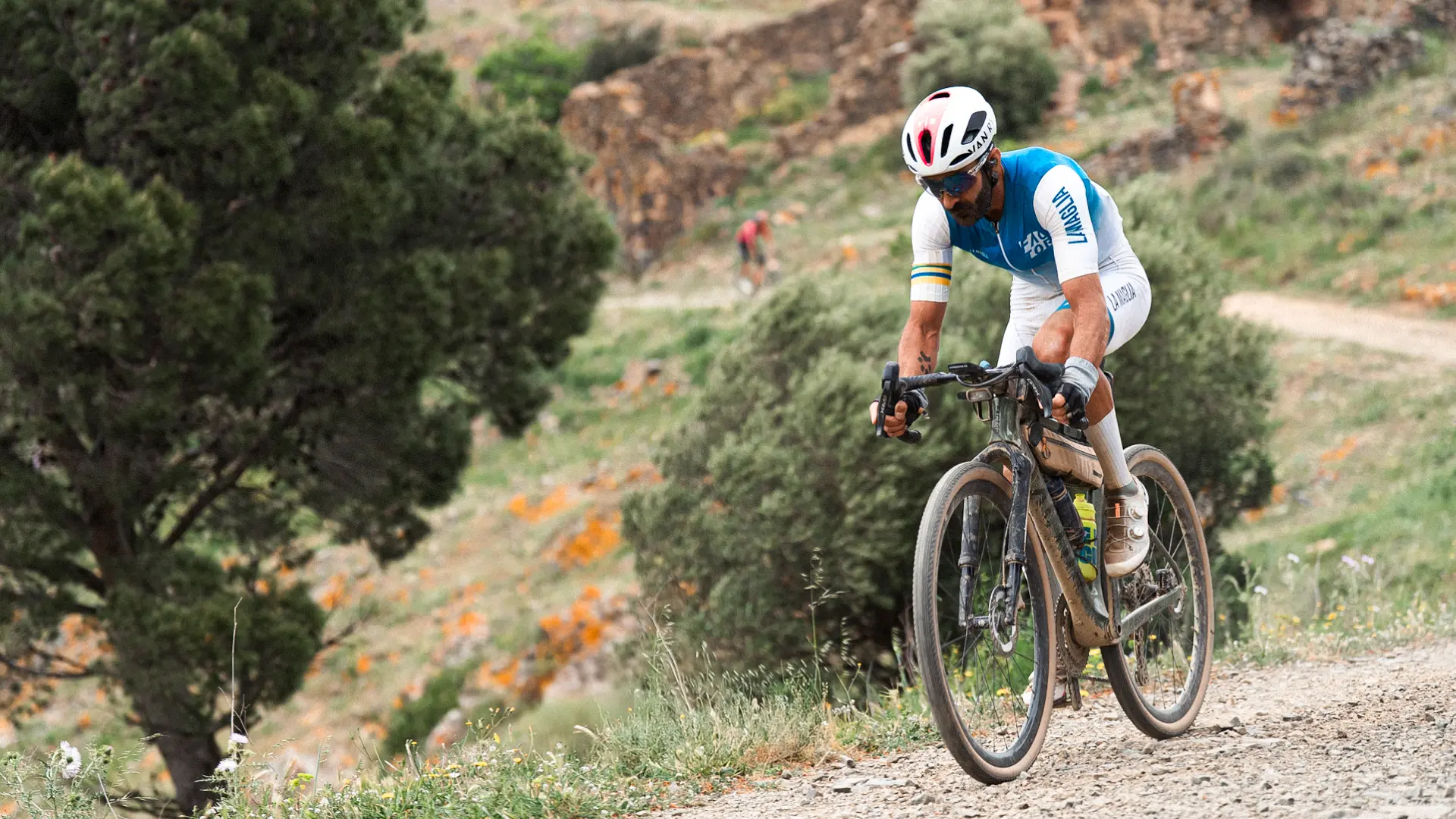
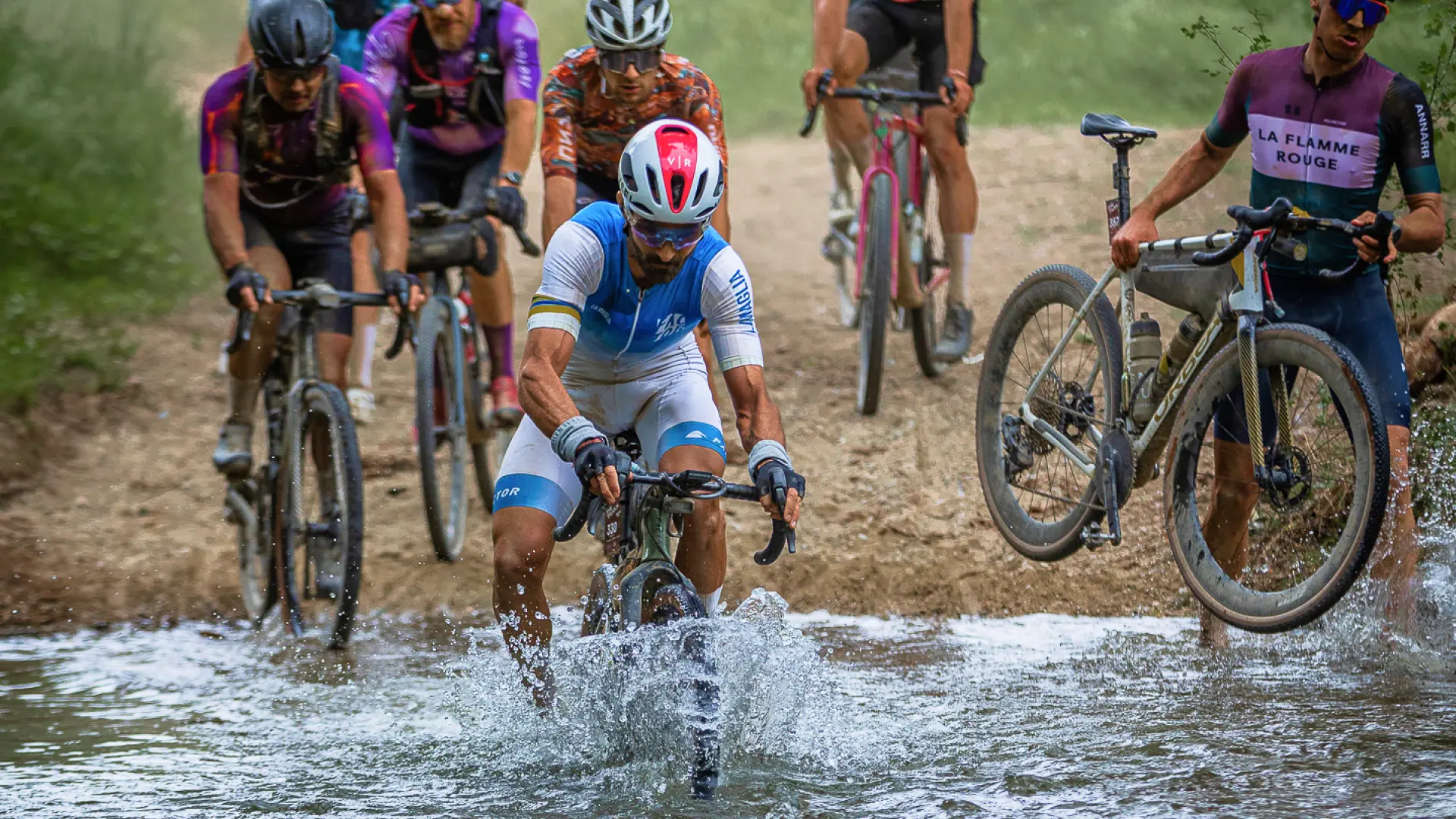
Vekta coach Ulisses Nunes Abbud took on both the 360k and 100k races at The Traka, all while coaching athletes through one of the toughest gravel events on the calendar. Known for its technical terrain and gruelling distances, The Traka is as much a mental test as it is a physical one, especially when you're guiding others through it at the same time.
Ulisses not only raced but supported his athletes across multiple distances, using the same high-performance system that powers some of the best endurance teams in the world. From fuelling strategies to tech choices, here are six key insights he shared from one of the toughest endurance events on the calendar.
1. Prioritise sleep two nights before
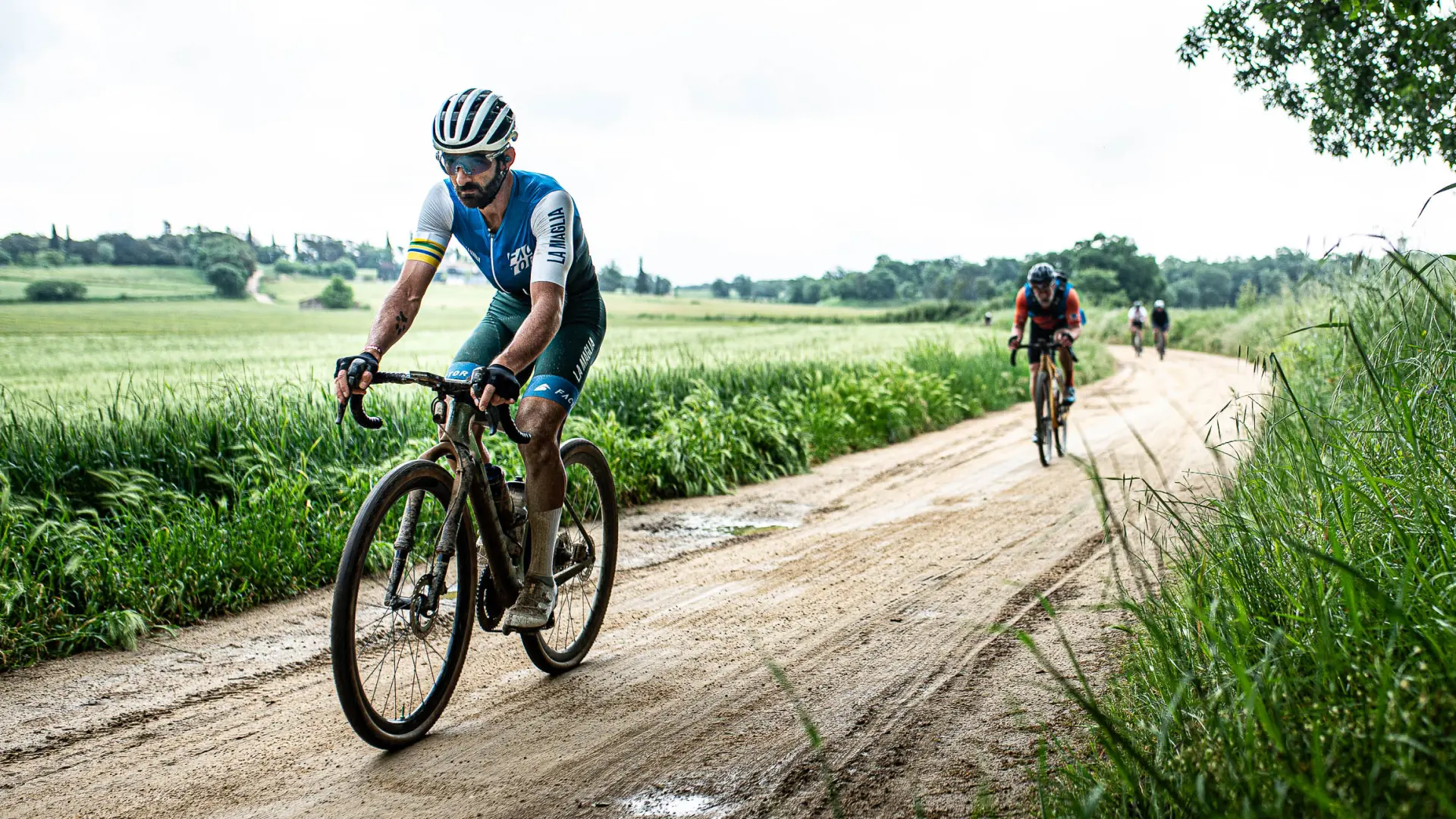
“For ultra-endurance events, I make it a point to get 7–8 hours of sleep two nights before the race. It’s often impossible to sleep well the night before, so banking quality rest earlier is essential.”
2. Stick to the taper plan
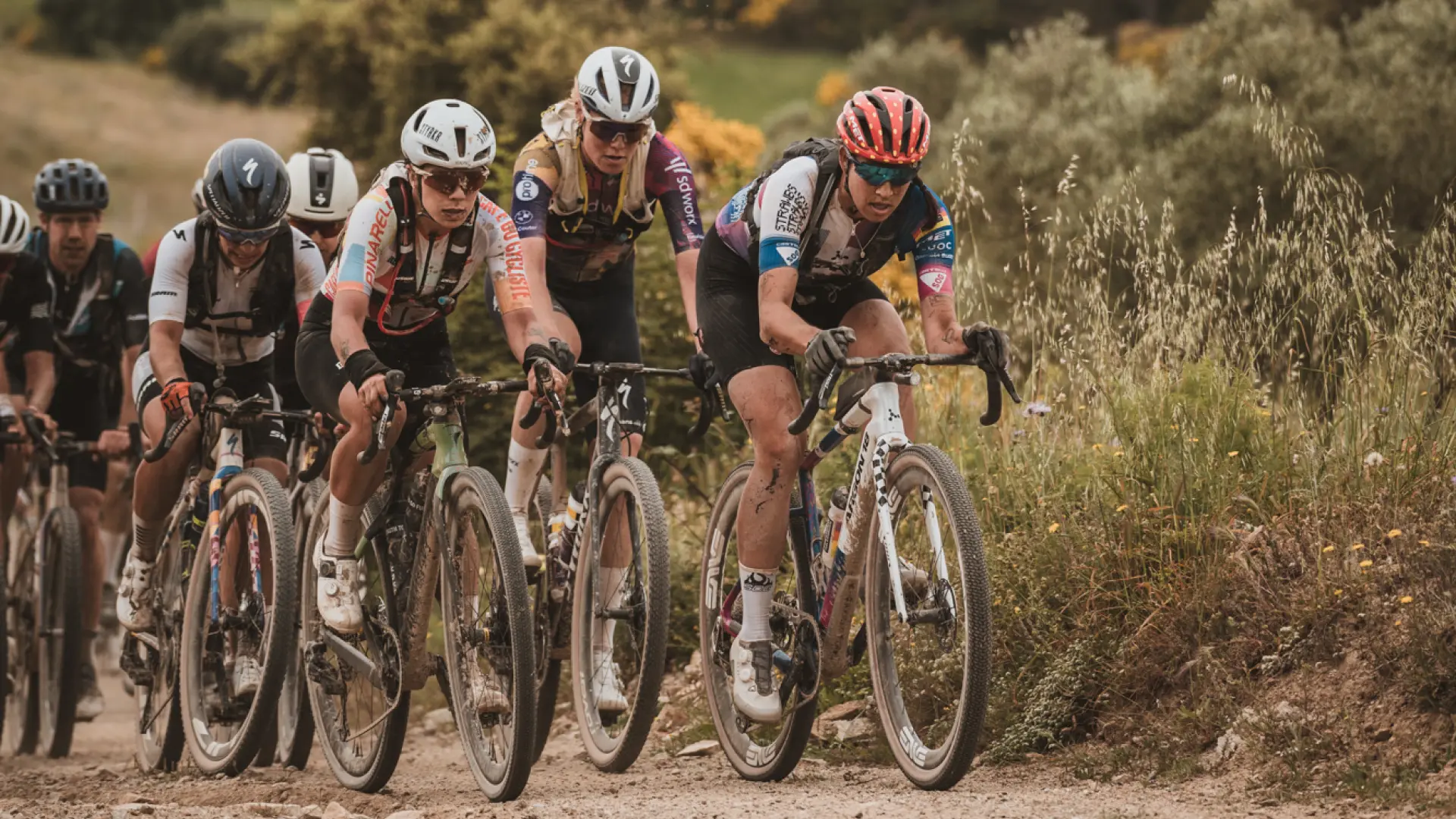
“Girona’s cycling culture can make tapering a challenge, it’s so tempting to ride more than planned. Staying disciplined ensured I was fresh on race day and avoided overloading my legs.”
3. Dialed-in nutrition strategy
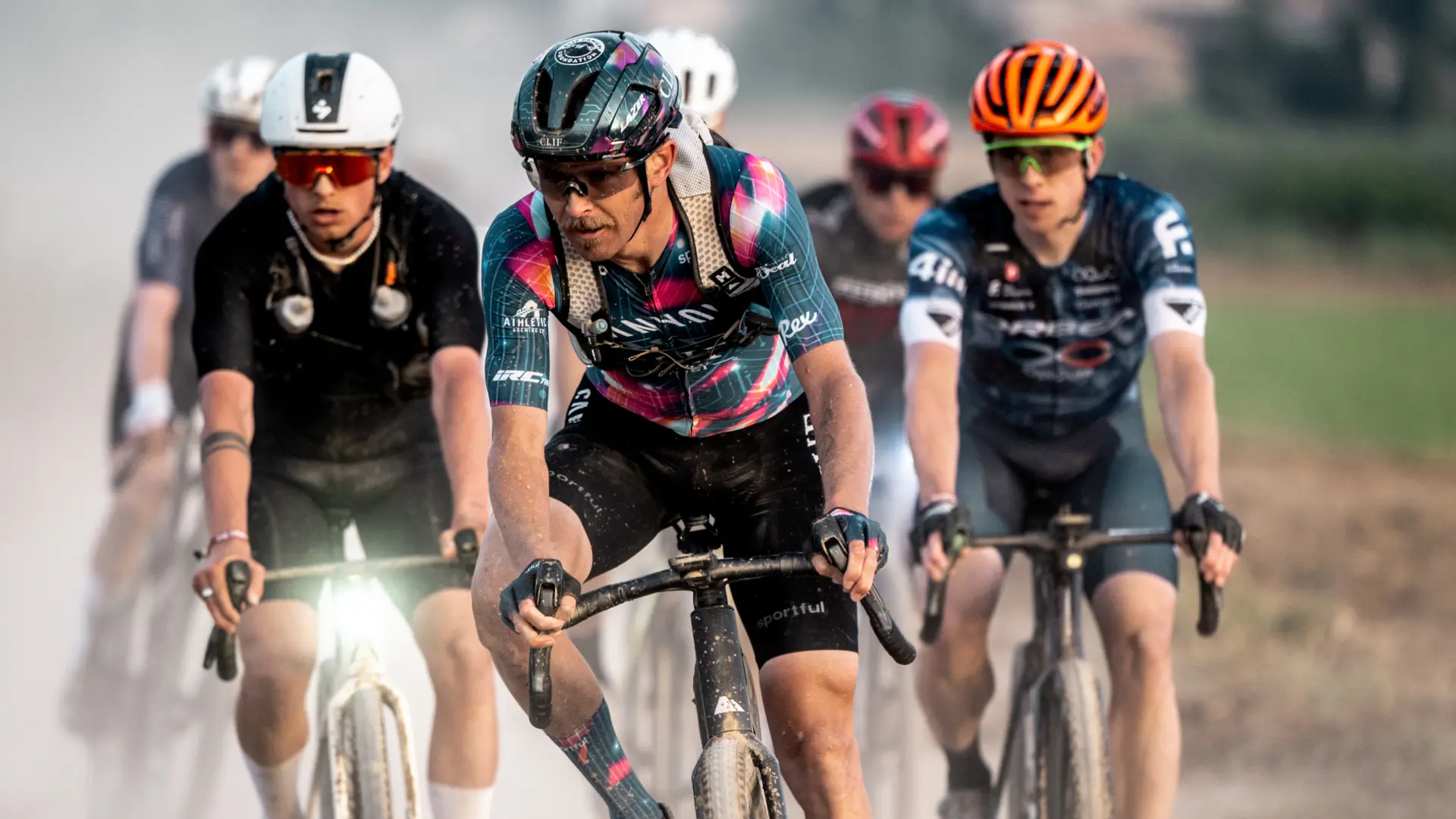
“My pre-race approach for events over six hours includes 10g of carbs per kg body weight in the 48 hours leading up to the race. During the event, I targeted 100g of carbs per hour using a mix of gels and solids while keeping fluids less concentrated.”
4. Focus on Sustainable Pacing
“For the 360k, I opted to stick to my own pace rather than chasing faster groups. The technical course demanded a careful balance between speed and safety, and my role as a coach meant I couldn’t afford to push beyond my limits.”
5. The Value of Front Suspension
“This race marked the first time I used a front suspension, and it exceeded all expectations. The added stability, comfort, and speed made it a clear advantage on such a challenging course.”
6. Coaching Made Seamless with Vekta
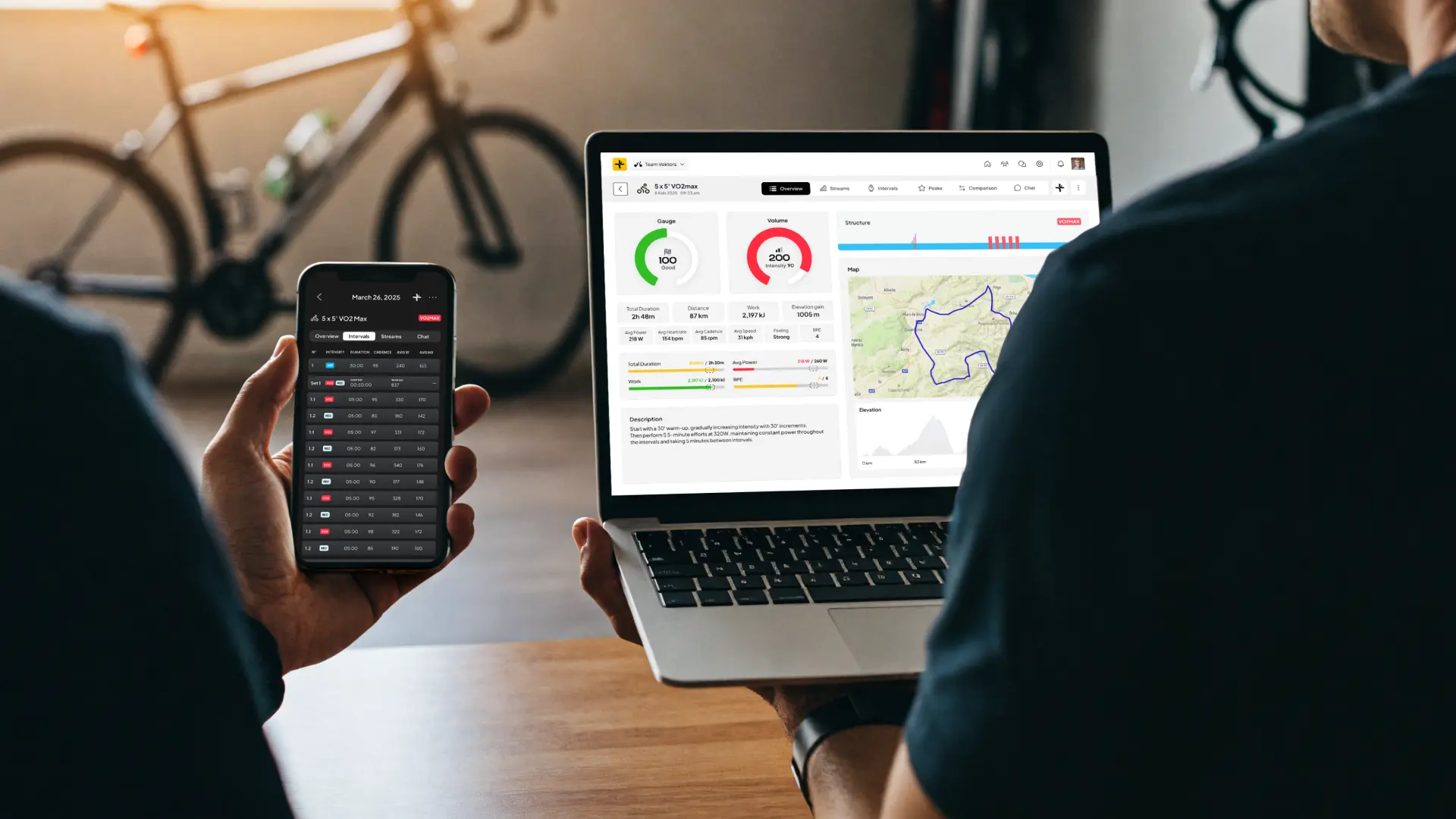
“Managing athletes during such a busy race weekend was no small task, but Vekta’s platform made it seamless. From adjusting training plans to reviewing feedback, it gave me the tools to stay connected with my athletes while also staying focused on my own race.”
Ulisses’ dual role as racer and coach at The Traka highlights the evolving demands of high-level endurance sport — and how the right tools make the impossible possible.
Whether you’re a coach managing a full roster or an athlete chasing your next milestone, Vekta brings clarity, efficiency and insight to your performance journey.
Start your free 14-day trial or Book a Demo
Vekta coach Ulisses Nunes Abbud took on both the 360k and 100k races at The Traka, all while coaching athletes through one of the toughest gravel events on the calendar. Known for its technical terrain and gruelling distances, The Traka is as much a mental test as it is a physical one, especially when you're guiding others through it at the same time.
Ulisses not only raced but supported his athletes across multiple distances, using the same high-performance system that powers some of the best endurance teams in the world. From fuelling strategies to tech choices, here are six key insights he shared from one of the toughest endurance events on the calendar.
1. Prioritise sleep two nights before
“For ultra-endurance events, I make it a point to get 7–8 hours of sleep two nights before the race. It’s often impossible to sleep well the night before, so banking quality rest earlier is essential.”
2. Stick to the taper plan
“Girona’s cycling culture can make tapering a challenge, it’s so tempting to ride more than planned. Staying disciplined ensured I was fresh on race day and avoided overloading my legs.”
3. Dialed-in nutrition strategy
“My pre-race approach for events over six hours includes 10g of carbs per kg body weight in the 48 hours leading up to the race. During the event, I targeted 100g of carbs per hour using a mix of gels and solids while keeping fluids less concentrated.”
4. Focus on Sustainable Pacing
“For the 360k, I opted to stick to my own pace rather than chasing faster groups. The technical course demanded a careful balance between speed and safety, and my role as a coach meant I couldn’t afford to push beyond my limits.”
5. The Value of Front Suspension
“This race marked the first time I used a front suspension, and it exceeded all expectations. The added stability, comfort, and speed made it a clear advantage on such a challenging course.”
6. Coaching Made Seamless with Vekta
“Managing athletes during such a busy race weekend was no small task, but Vekta’s platform made it seamless. From adjusting training plans to reviewing feedback, it gave me the tools to stay connected with my athletes while also staying focused on my own race.”
Ulisses’ dual role as racer and coach at The Traka highlights the evolving demands of high-level endurance sport — and how the right tools make the impossible possible.
Whether you’re a coach managing a full roster or an athlete chasing your next milestone, Vekta brings clarity, efficiency and insight to your performance journey.
Start your free 14-day trial or Book a Demo
Try Vekta free
Put the theory to work
Vekta is where coaches and athletes plan the work, see the numbers, and track what actually changes.
Try Vekta free
Put the theory to work
Vekta is where coaches and athletes plan the work, see the numbers, and track what actually changes.
Frequently asked questions
Frequently asked questions

Brand Director
Built for Her: Vekta x FDJ–Suez and Women's Cycling
Vekta x Team Jayco AlUla: A Partnership for Performance
