Coach
Coach
Coach
8
8
8
min
min
min
Joe Staunton
Joe Staunton
Inside Project 700 with Joe Staunton
Inside Project 700 with Joe Staunton
Inside Project 700: A Three Year Transformation
Big results often have long, quiet stories behind them. Years of small decisions, patient work, and a clear understanding of what actually matters when the road tilts upward.
In this case study, coach Joe Staunton of Ceyreste Performance unpacks the thinking and process behind Project 700 and Ben Millar’s rise from 49th to 6th at the National Hill Climb Championship.
This case study shows how Vekta’s Critical Power modelling and W′ tracking support long-term performance development.
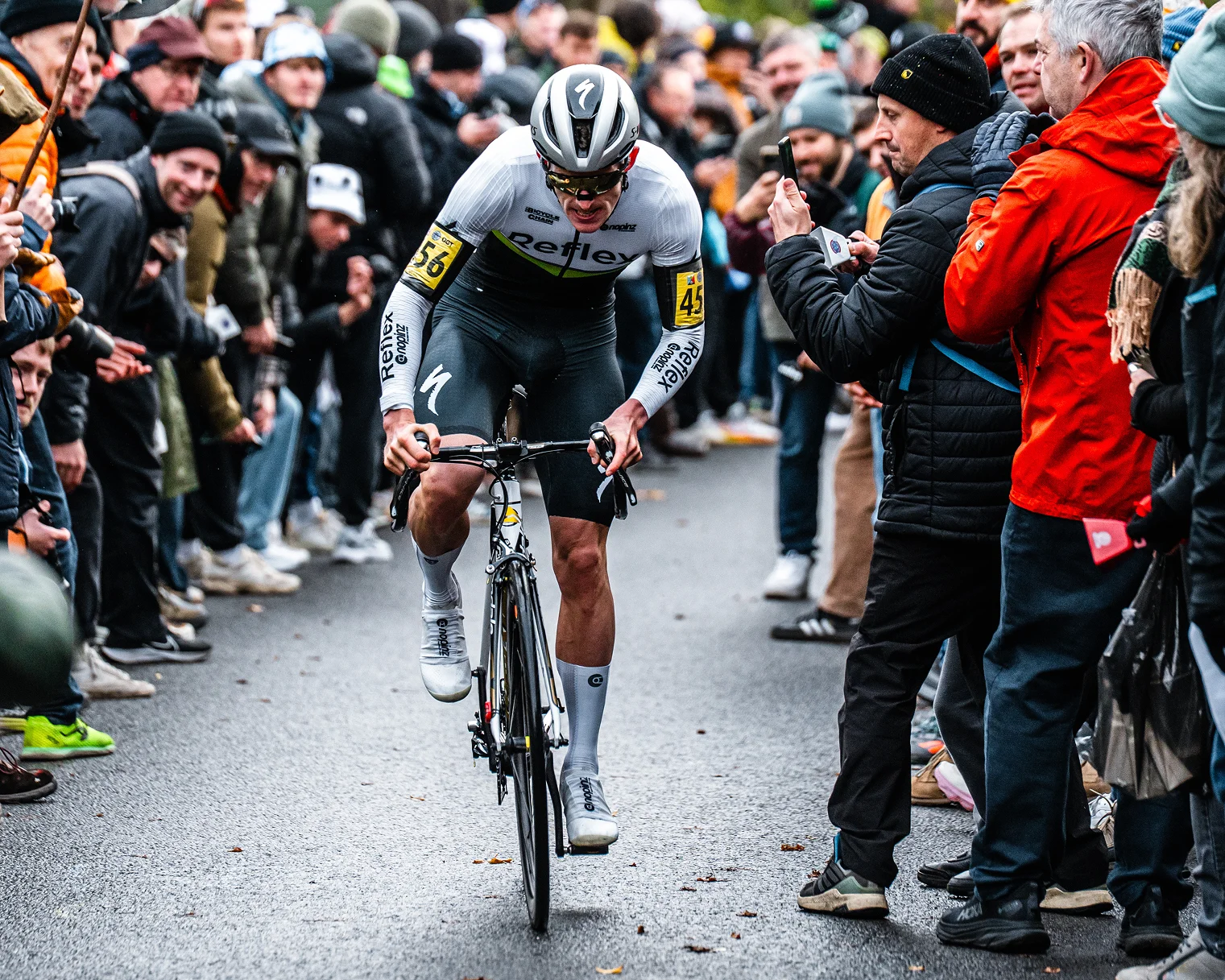
Three years ago, Ben Millar finished 49th at the National Hill Climb Championship.
Two weeks ago, he finished 6th.
This story is not just about the result.
The fun is in understanding what had to happen to make that jump possible.
Project 700
Last winter, Ben and I set a goal we called Project 700. The aim was simple and ambitious: hit 700 watts for two minutes.
That would have required almost a 200 watt improvement on what Ben could produce for the same duration two years earlier. For a rider under 75 kg, this is a huge leap.
Two weeks before this year’s National Championships, the day after a tough defeat, Ben did it in a race. In his words, his best ever performance.
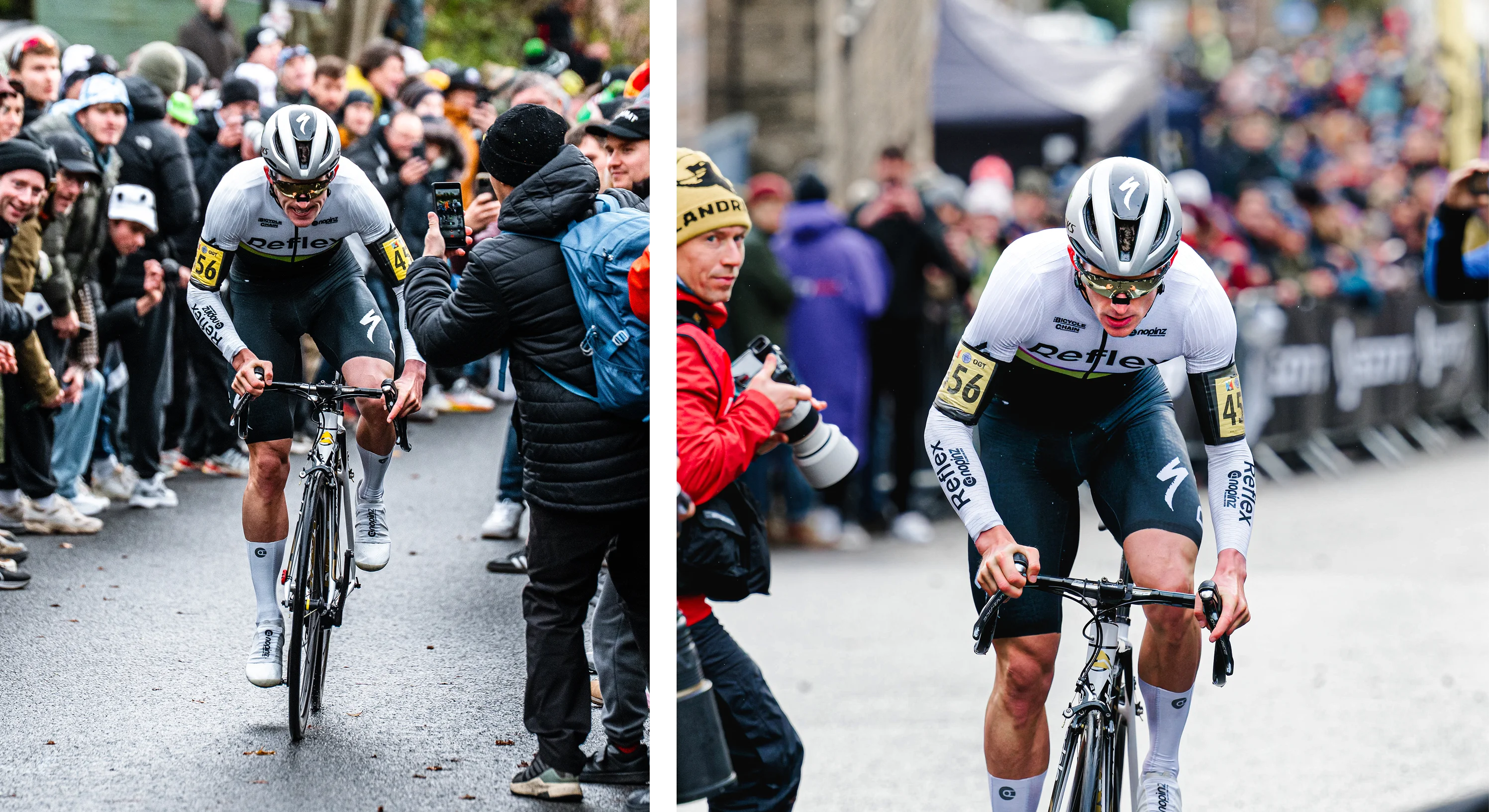
He then backed it up with 6th place at the biggest stage in British hill climbing.
Here’s how it all happened.
Building the Complete Picture
Ben Millar is a hill climb specialist, and over the past few years it has been a pleasure to watch him develop from a strong amateur into one of the best in the country.
Ben’s progression has been a genuine case study in fitting all the pieces of the puzzle together.
That meant identifying his physiological strengths and weaknesses, mapping what needed to happen and when, and adapting continuously along the way.
It also meant creating simple, effective, and specific nutritional strategies that supported the right work at the right time.
Just as importantly, it meant developing a robust mindset that allowed Ben to train with ruthlessly simple consistency for two full years.
Why Two Minutes Is So Hard
Training for a roughly two minute effort is a physiologically fun puzzle.
It is a beautiful mix of all energy systems. Fail to develop any one of them and you will come up short.
You explode out of the gate using creatine phosphate, producing pure power for those first brutal seconds.
Then you are deep into the red, burning through anaerobic capacity as your legs scream and lactate floods in.
But you cannot empty the tank just yet.
Underneath all of that, you need an exceptional aerobic
engine to sustain the effort, to keep driving when everything hurts, and to support the training required to get there in the first place.
Playing to Strengths, Fixing Limiters
Ben has a naturally powerful anaerobic system.
Because of that, the last two years focused primarily on developing his aerobic capacity. The result was personal bests across almost every power duration.
This mattered because aerobic capacity was Ben’s limiter.
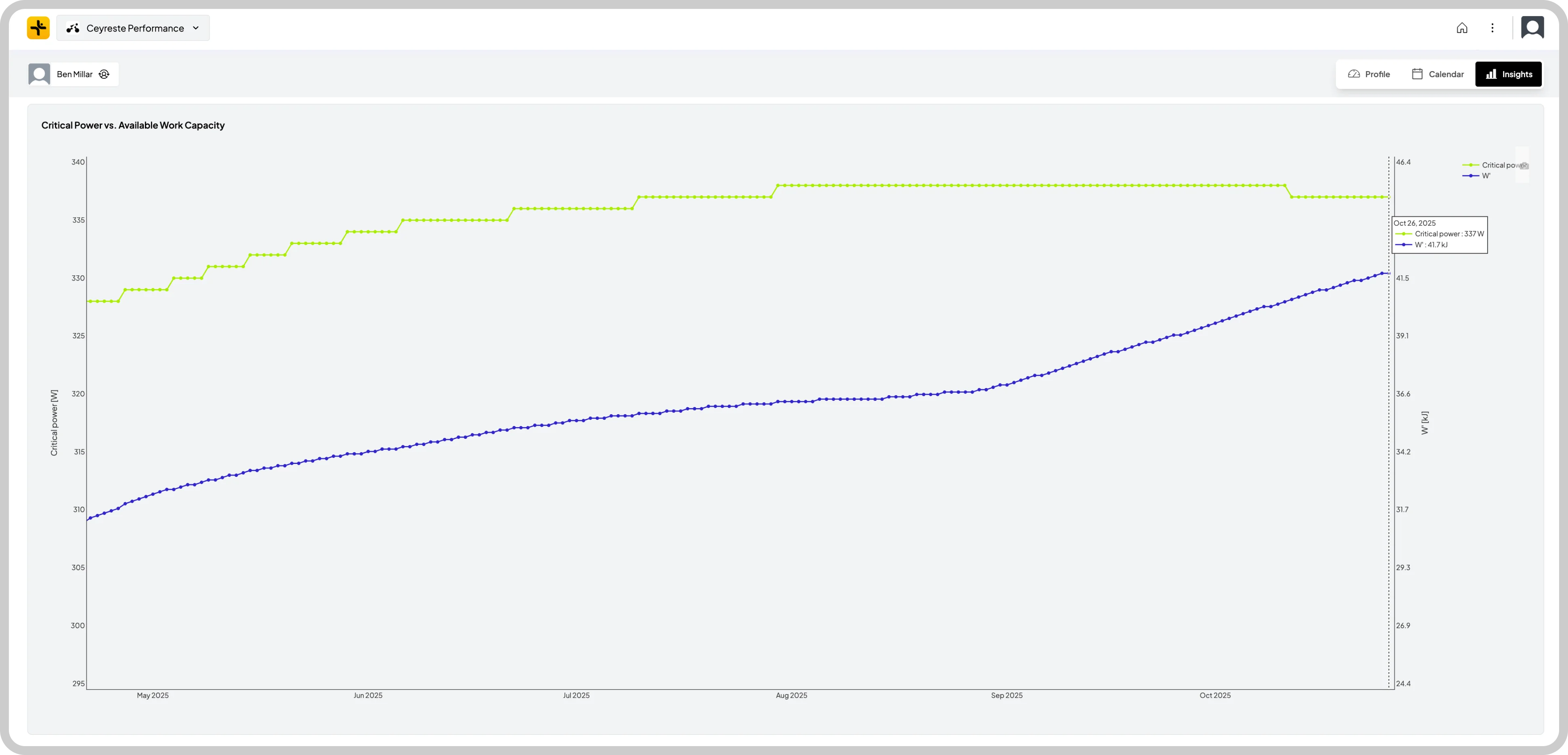
His anaerobic capacity was already exceptional. During preparation for this year’s Nationals, Ben hit a W′ of 42 kJ. For context, well trained cyclists typically sit in the low to mid 20s.
The challenge was not adding more intensity.
The challenge was learning to ride easier. Consistent, high quality work, repeated over and over again.
Supporting the Process
Throughout this process, we used Vekta to dial in the precision needed for these gains.
Its real time analytics allowed us to understand Ben’s physiology on a granular level, tracking his W′ balance and Critical Power so we could fine tune the mix of aerobic and anaerobic work across each phase of training.
The critical power model was especially valuable for pacing hill climb efforts. Ben could see exactly when he was dipping into his anaerobic reserves and when he needed to back off to avoid blowing up.
More importantly, Vekta gave us the confidence to set realistic, progressive targets throughout the season. We could watch his Critical Power rise steadily while ensuring we were not overcooking the anaerobic system that was already his strength.
It turned abstract concepts like W′ balance into tangible, actionable feedback that Ben could feel and respond to during the efforts that mattered most.
Simplicity Wins in Nutrition
Nutritionally, simplicity has also won.
Ben fuelled every single session, taking in 60 to 120 grams of carbohydrate per hour depending on session volume and intensity. The priority was maintaining a strong energy balance at all times.
We also used targeted supplementation at key moments to support training and racing performance, primarily creatine and sodium bicarbonate.
Nothing excessive. Just precise tools used deliberately.
The Mindset Shift
One of the biggest unlocks for Ben has been continually refining his mindset.
We built an approach where Ben is fully invested in the process and focused on winning every day. Each day holds value, whether it goes exactly to plan or not.
That mindset has enabled outstanding consistency, high levels of dedication, and crucially, long term enjoyment of the work.
After the National Championships, Ben summed it up perfectly:
Performance is simple when you know what to concentrate on. The difficulty of modern times is having the clarity and confidence to fully commit to an approach, while knowing the right moments to deviate.
That comes from working as a team built on trust, honesty, and confidence.
The Result
49th to 6th in three years. Project 700 complete.
The Work Behind the Result
This story sits in the space between preparation and outcome. It reflects what can happen when an athlete and coach take the time to understand the demands of an event, and then build toward them patiently and deliberately.
Over three seasons, Project 700 provided a clear structure for that work. Small decisions, repeated consistently, guided by an evolving understanding of Ben’s physiology and the realities of a two minute effort. The progression from 49th to 6th is where that longer process fully revealed itself.
Joe continues to coach athletes using the same approach outlined here. If you would like to learn more about his coaching work, or explore working with him directly visit Ceyreste Performance to find out more.
Inside Project 700: A Three Year Transformation
Big results often have long, quiet stories behind them. Years of small decisions, patient work, and a clear understanding of what actually matters when the road tilts upward.
In this case study, coach Joe Staunton of Ceyreste Performance unpacks the thinking and process behind Project 700 and Ben Millar’s rise from 49th to 6th at the National Hill Climb Championship.
This case study shows how Vekta’s Critical Power modelling and W′ tracking support long-term performance development.
Three years ago, Ben Millar finished 49th at the National Hill Climb Championship.
Two weeks ago, he finished 6th.
This story is not just about the result.
The fun is in understanding what had to happen to make that jump possible.
Project 700
Last winter, Ben and I set a goal we called Project 700. The aim was simple and ambitious: hit 700 watts for two minutes.
That would have required almost a 200 watt improvement on what Ben could produce for the same duration two years earlier. For a rider under 75 kg, this is a huge leap.
Two weeks before this year’s National Championships, the day after a tough defeat, Ben did it in a race. In his words, his best ever performance.
He then backed it up with 6th place at the biggest stage in British hill climbing.
Here’s how it all happened.
Building the Complete Picture
Ben Millar is a hill climb specialist, and over the past few years it has been a pleasure to watch him develop from a strong amateur into one of the best in the country.
Ben’s progression has been a genuine case study in fitting all the pieces of the puzzle together.
That meant identifying his physiological strengths and weaknesses, mapping what needed to happen and when, and adapting continuously along the way.
It also meant creating simple, effective, and specific nutritional strategies that supported the right work at the right time.
Just as importantly, it meant developing a robust mindset that allowed Ben to train with ruthlessly simple consistency for two full years.
Why Two Minutes Is So Hard
Training for a roughly two minute effort is a physiologically fun puzzle.
It is a beautiful mix of all energy systems. Fail to develop any one of them and you will come up short.
You explode out of the gate using creatine phosphate, producing pure power for those first brutal seconds.
Then you are deep into the red, burning through anaerobic capacity as your legs scream and lactate floods in.
But you cannot empty the tank just yet.
Underneath all of that, you need an exceptional aerobic
engine to sustain the effort, to keep driving when everything hurts, and to support the training required to get there in the first place.
Playing to Strengths, Fixing Limiters
Ben has a naturally powerful anaerobic system.
Because of that, the last two years focused primarily on developing his aerobic capacity. The result was personal bests across almost every power duration.
This mattered because aerobic capacity was Ben’s limiter.
His anaerobic capacity was already exceptional. During preparation for this year’s Nationals, Ben hit a W′ of 42 kJ. For context, well trained cyclists typically sit in the low to mid 20s.
The challenge was not adding more intensity.
The challenge was learning to ride easier. Consistent, high quality work, repeated over and over again.
Supporting the Process
Throughout this process, we used Vekta to dial in the precision needed for these gains.
Its real time analytics allowed us to understand Ben’s physiology on a granular level, tracking his W′ balance and Critical Power so we could fine tune the mix of aerobic and anaerobic work across each phase of training.
The critical power model was especially valuable for pacing hill climb efforts. Ben could see exactly when he was dipping into his anaerobic reserves and when he needed to back off to avoid blowing up.
More importantly, Vekta gave us the confidence to set realistic, progressive targets throughout the season. We could watch his Critical Power rise steadily while ensuring we were not overcooking the anaerobic system that was already his strength.
It turned abstract concepts like W′ balance into tangible, actionable feedback that Ben could feel and respond to during the efforts that mattered most.
Simplicity Wins in Nutrition
Nutritionally, simplicity has also won.
Ben fuelled every single session, taking in 60 to 120 grams of carbohydrate per hour depending on session volume and intensity. The priority was maintaining a strong energy balance at all times.
We also used targeted supplementation at key moments to support training and racing performance, primarily creatine and sodium bicarbonate.
Nothing excessive. Just precise tools used deliberately.
The Mindset Shift
One of the biggest unlocks for Ben has been continually refining his mindset.
We built an approach where Ben is fully invested in the process and focused on winning every day. Each day holds value, whether it goes exactly to plan or not.
That mindset has enabled outstanding consistency, high levels of dedication, and crucially, long term enjoyment of the work.
After the National Championships, Ben summed it up perfectly:
Performance is simple when you know what to concentrate on. The difficulty of modern times is having the clarity and confidence to fully commit to an approach, while knowing the right moments to deviate.
That comes from working as a team built on trust, honesty, and confidence.
The Result
49th to 6th in three years. Project 700 complete.
The Work Behind the Result
This story sits in the space between preparation and outcome. It reflects what can happen when an athlete and coach take the time to understand the demands of an event, and then build toward them patiently and deliberately.
Over three seasons, Project 700 provided a clear structure for that work. Small decisions, repeated consistently, guided by an evolving understanding of Ben’s physiology and the realities of a two minute effort. The progression from 49th to 6th is where that longer process fully revealed itself.
Joe continues to coach athletes using the same approach outlined here. If you would like to learn more about his coaching work, or explore working with him directly visit Ceyreste Performance to find out more.

Try Vekta free
Put the theory to work
Vekta is where coaches and athletes plan the work, see the numbers, and track what actually changes.
Try Vekta free
Put the theory to work
Vekta is where coaches and athletes plan the work, see the numbers, and track what actually changes.
Frequently asked questions
Frequently asked questions
Ceyreste Performance